 EN
EN

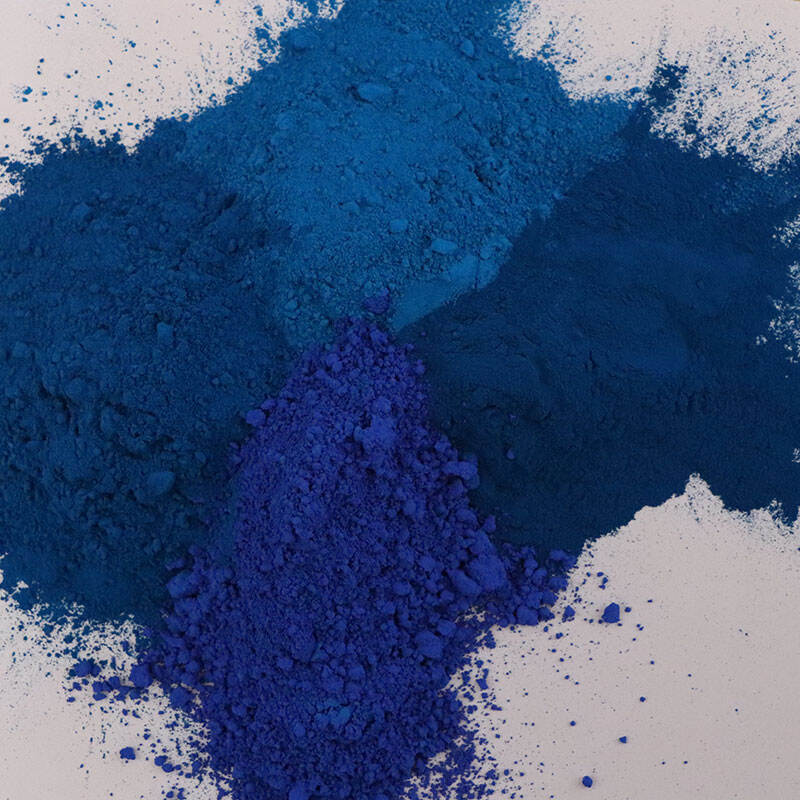
Phthalocyanine blue stands as one of the most remarkable achievements in synthetic pigment technology, delivering exceptional blue shades that have revolutionized countless industries. This powerful organic pigment combines extraordinary color strength with outstanding durability, making it the preferred choice for applications ranging from automotive coatings to high-end textiles. The unique molecular structure of phthalocyanine blue enables it to produce vibrant, stable colors that maintain their intensity even under extreme conditions, setting it apart from conventional blue pigments in both performance and versatility.
The development of phthalocyanine blue marked a turning point in pigment science, offering manufacturers and creators access to superior blue shades that were previously unattainable. This synthetic organic pigment demonstrates remarkable chemical stability, excellent lightfastness, and exceptional heat resistance, making it indispensable across multiple sectors. Understanding the power behind phthalocyanine blue reveals why it has become the cornerstone pigment for applications demanding both visual impact and long-term performance reliability.
Chemical Structure and Molecular Foundation
Complex Ring Architecture
The extraordinary properties of phthalocyanine blue stem from its sophisticated molecular architecture, featuring a central metal atom surrounded by four isoindole units connected in a macrocyclic ring structure. This unique arrangement creates a highly stable chromophore system that efficiently absorbs light in the red spectrum while reflecting blue wavelengths with exceptional purity. The planar molecular geometry allows for strong intermolecular interactions, contributing to the pigment's remarkable color strength and thermal stability.
The central metal atom, typically copper in the most common variant, plays a crucial role in determining the specific hue and properties of the phthalocyanine blue pigment. The coordination between the metal center and the surrounding nitrogen atoms creates a rigid, stable structure that resists chemical degradation and maintains color integrity under challenging conditions. This molecular foundation explains why phthalocyanine blue consistently delivers superior performance compared to alternative blue pigments.
Crystal Polymorphism Effects
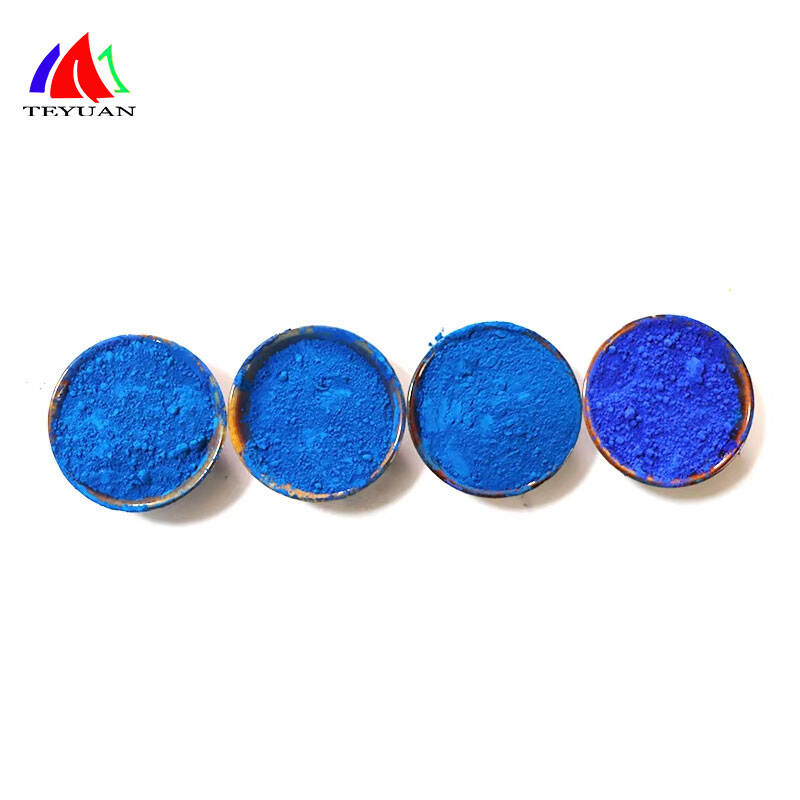
Phthalocyanine blue exhibits multiple crystal forms or polymorphs, each offering distinct shade characteristics and application properties. The alpha and beta crystal modifications represent the most commercially significant forms, with the beta form providing the brilliant, reddish-blue shade preferred for most applications. The transformation between crystal forms can be controlled through specific manufacturing processes, allowing producers to tailor the pigment's properties for targeted applications.
The crystal structure directly influences the pigment's dispersibility, transparency, and color development in various media. Understanding these polymorphic variations enables formulators to select the optimal phthalocyanine blue grade for specific applications, whether prioritizing maximum color strength, enhanced transparency, or superior dispersion characteristics. This versatility contributes significantly to the pigment's widespread adoption across diverse industries.
Superior Color Performance Characteristics
Exceptional Color Strength
The color strength of phthalocyanine blue surpasses virtually all other blue pigments, requiring minimal quantities to achieve intense, vibrant blue shades. This high tinctorial strength translates directly into economic advantages, as formulators can achieve desired color depths with lower pigment loading levels. The exceptional efficiency of phthalocyanine blue makes it particularly valuable in applications where cost control and material optimization are critical considerations.
The remarkable color strength also enables the creation of a wide spectrum of blue shades through careful blending with other pigments. When combined with titanium dioxide, phthalocyanine blue produces clean, bright sky blues, while mixtures with carbon black yield deep navy and midnight blue tones. This versatility allows colorists to achieve virtually any blue shade requirement while maintaining the superior properties inherent to phthalocyanine blue.
Outstanding Lightfastness Properties
Phthalocyanine blue demonstrates exceptional resistance to photodegradation, maintaining color integrity even under prolonged exposure to intense sunlight and ultraviolet radiation. This outstanding lightfastness makes it ideal for exterior applications such as architectural coatings, automotive finishes, and outdoor signage where long-term color stability is essential. The pigment's molecular structure provides inherent protection against photochemical breakdown, ensuring consistent color performance throughout the product lifecycle.
Laboratory testing confirms that phthalocyanine blue maintains its color characteristics even after thousands of hours of accelerated weathering exposure, far exceeding the performance of many alternative blue pigments. This reliability has made phthalocyanine blue the standard choice for applications requiring guaranteed color durability, particularly in industries where color consistency directly impacts product quality and brand reputation.
Industrial Applications and Versatility
Coating and Paint Systems
In the coatings industry, phthalocyanine blue serves as the foundation for premium blue formulations across architectural, automotive, and industrial applications. The pigment's excellent compatibility with various resin systems, including acrylics, polyurethanes, and alkyds, enables formulators to develop high-performance coatings that meet stringent durability requirements. The chemical inertness of phthalocyanine blue prevents unwanted interactions with coating components, ensuring stable formulations and predictable performance.
Automotive manufacturers particularly value phthalocyanine blue for its ability to maintain color consistency across different paint application methods and environmental conditions. The pigment's thermal stability allows it to withstand the elevated temperatures encountered during automotive paint curing processes without color shift or degradation. This reliability has established phthalocyanine blue as an essential component in premium automotive color systems worldwide.
Plastics and Polymer Applications
The plastic industry relies heavily on phthalocyanine blue for coloring applications ranging from consumer products to industrial components. The pigment's excellent heat stability enables processing at elevated temperatures required for engineering plastics without color degradation or migration. This thermal resistance makes phthalocyanine blue suitable for injection molding, extrusion, and blow molding processes across a wide range of polymer systems.
Phthalocyanine blue demonstrates excellent compatibility with polyethylene, polypropylene, PVC, and engineering plastics, providing consistent color development regardless of the base polymer. The pigment's chemical inertness prevents plasticizer migration and maintains color integrity throughout the product's service life. This versatility has made phthalocyanine blue indispensable for applications requiring both aesthetic appeal and functional durability.
Processing and Manufacturing Advantages
Thermal Stability Benefits
The exceptional thermal stability of phthalocyanine blue enables processing at temperatures exceeding 300°C without significant color change or degradation. This heat resistance provides manufacturers with processing flexibility and ensures consistent color performance across various production methods and conditions. The pigment's ability to maintain structural integrity at elevated temperatures makes it suitable for high-temperature applications where conventional pigments would fail.
Manufacturing processes benefit significantly from the thermal stability of phthalocyanine blue, as it allows for broader processing windows and reduced quality control concerns. The pigment's consistent performance across temperature variations minimizes production rejects and ensures reliable color matching between production batches. This reliability translates into improved manufacturing efficiency and reduced costs for producers across multiple industries.
Chemical Resistance Properties
Phthalocyanine blue exhibits outstanding resistance to acids, alkalis, and organic solvents, making it suitable for applications involving chemical exposure. This chemical inertness prevents color bleeding, migration, or degradation in aggressive environments, ensuring long-term performance reliability. The pigment's stability in various chemical media expands its application possibilities and provides formulators with confidence in demanding end-use environments.
The chemical resistance of phthalocyanine blue proves particularly valuable in applications such as industrial coatings, chemical-resistant plastics, and specialty inks where exposure to harsh chemicals is expected. The pigment maintains its color properties even in environments that would quickly degrade less stable colorants, providing essential performance advantages for critical applications. This chemical durability has established phthalocyanine blue as the preferred choice for applications requiring long-term chemical resistance.
Quality Factors and Performance Optimization
Particle Size Control
The performance characteristics of phthalocyanine blue can be optimized through careful control of particle size distribution during manufacturing. Smaller particle sizes generally provide enhanced color strength and transparency, while larger particles may offer improved opacity and coverage. Understanding the relationship between particle size and performance enables formulators to select the optimal phthalocyanine blue grade for specific application requirements.
Surface treatment of phthalocyanine blue particles can further enhance performance characteristics such as dispersibility, wetting, and compatibility with various media. These treatments enable the pigment to achieve optimal performance in challenging formulations and expand its application possibilities. The ability to customize particle properties makes phthalocyanine blue adaptable to virtually any coloring requirement while maintaining its inherent superior properties.
Purity and Consistency Standards
High-quality phthalocyanine blue must meet stringent purity standards to ensure consistent color performance and application reliability. Impurities can affect color development, stability, and compatibility with various systems, making quality control essential throughout the manufacturing process. Premium grades of phthalocyanine blue undergo rigorous testing to verify color strength, purity levels, and performance characteristics.
Batch-to-batch consistency represents a critical quality factor for phthalocyanine blue, particularly in applications requiring precise color matching across production runs. Advanced manufacturing processes and quality control systems ensure that each batch meets specified performance criteria and maintains color consistency. This reliability enables manufacturers to depend on phthalocyanine blue for critical applications where color variation would be unacceptable.
FAQ
What makes phthalocyanine blue superior to other blue pigments?
Phthalocyanine blue offers exceptional color strength, outstanding lightfastness, superior thermal stability, and excellent chemical resistance that surpass most alternative blue pigments. Its unique molecular structure provides intense, vibrant blue shades while maintaining stability under extreme conditions, making it ideal for demanding applications where conventional pigments would fail.
Can phthalocyanine blue be used in food-contact applications?
Specific grades of phthalocyanine blue are approved for food-contact applications, but compliance depends on the exact formulation, intended use, and regulatory requirements in the target market. Manufacturers must verify that their chosen grade meets applicable food safety regulations and obtain appropriate certifications for food-contact applications.
How does crystal form affect phthalocyanine blue performance?
Different crystal forms of phthalocyanine blue produce distinct shade characteristics and performance properties. The beta form typically provides the most desirable reddish-blue shade with excellent color strength, while the alpha form offers different hue characteristics. Crystal form selection depends on specific application requirements and desired color properties.
What processing temperatures can phthalocyanine blue withstand?
Phthalocyanine blue maintains color stability at processing temperatures exceeding 300°C, making it suitable for high-temperature applications including engineering plastics processing and industrial coating systems. This exceptional thermal stability provides significant advantages over heat-sensitive alternative pigments that may degrade or shift color at elevated temperatures.