Yellow Iron Oxide: Superior Color Stability and Versatile Industrial Applications

Get a Free Quote

Our representative will contact you soon.
Email
Name
Company Name
Message
0/1000

yellow iron oxide

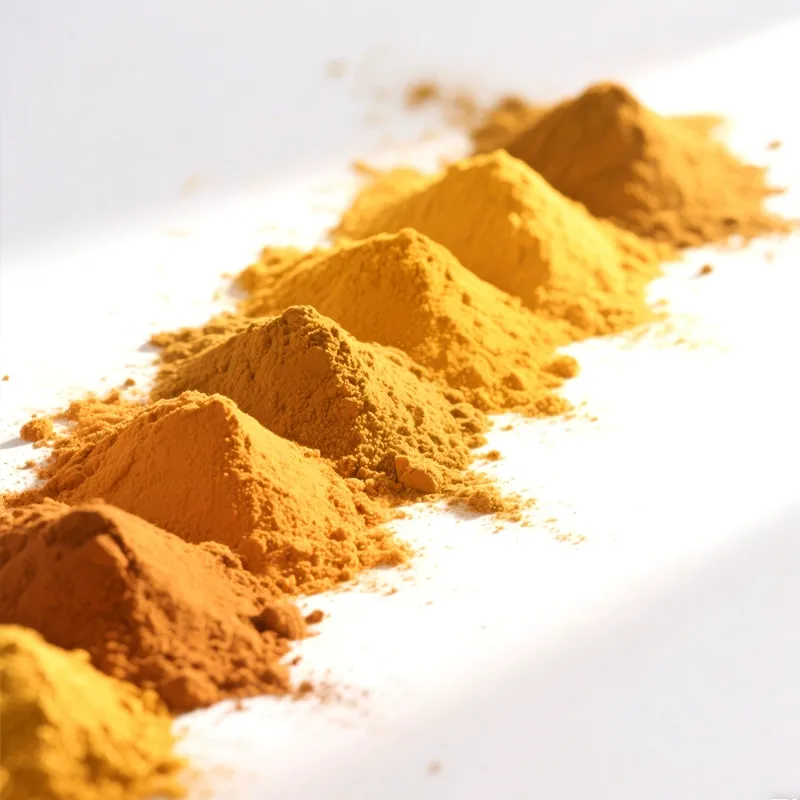
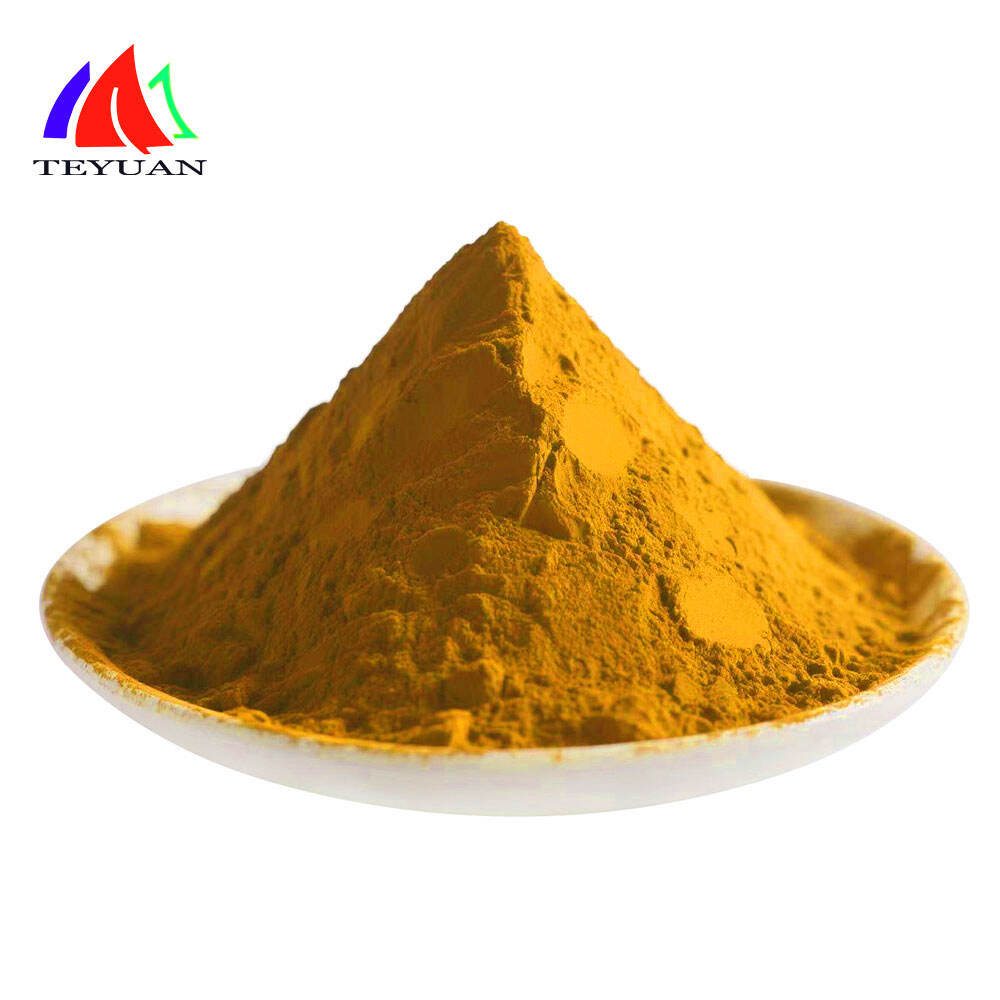
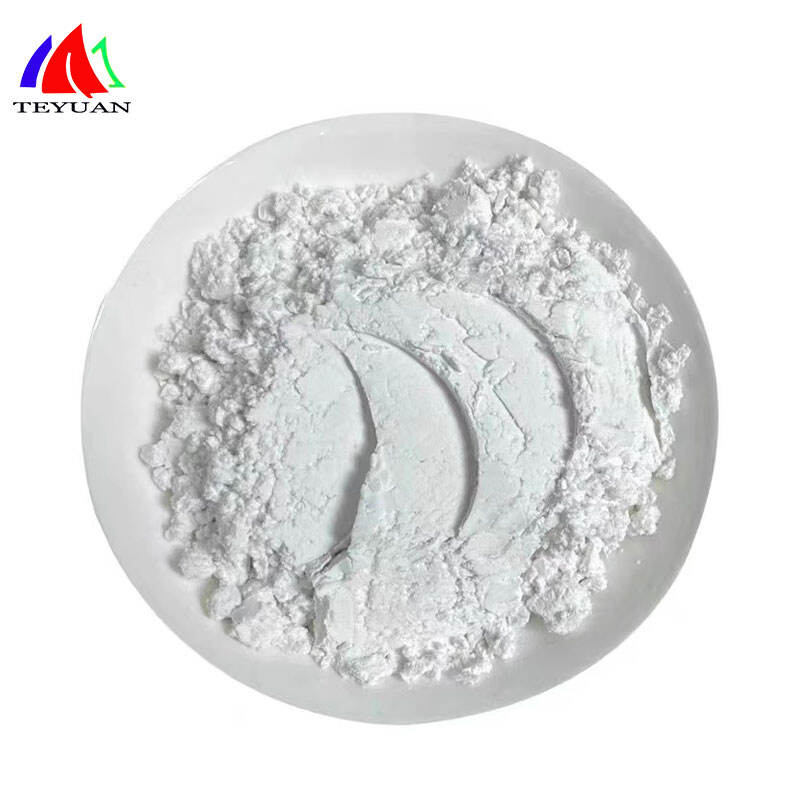
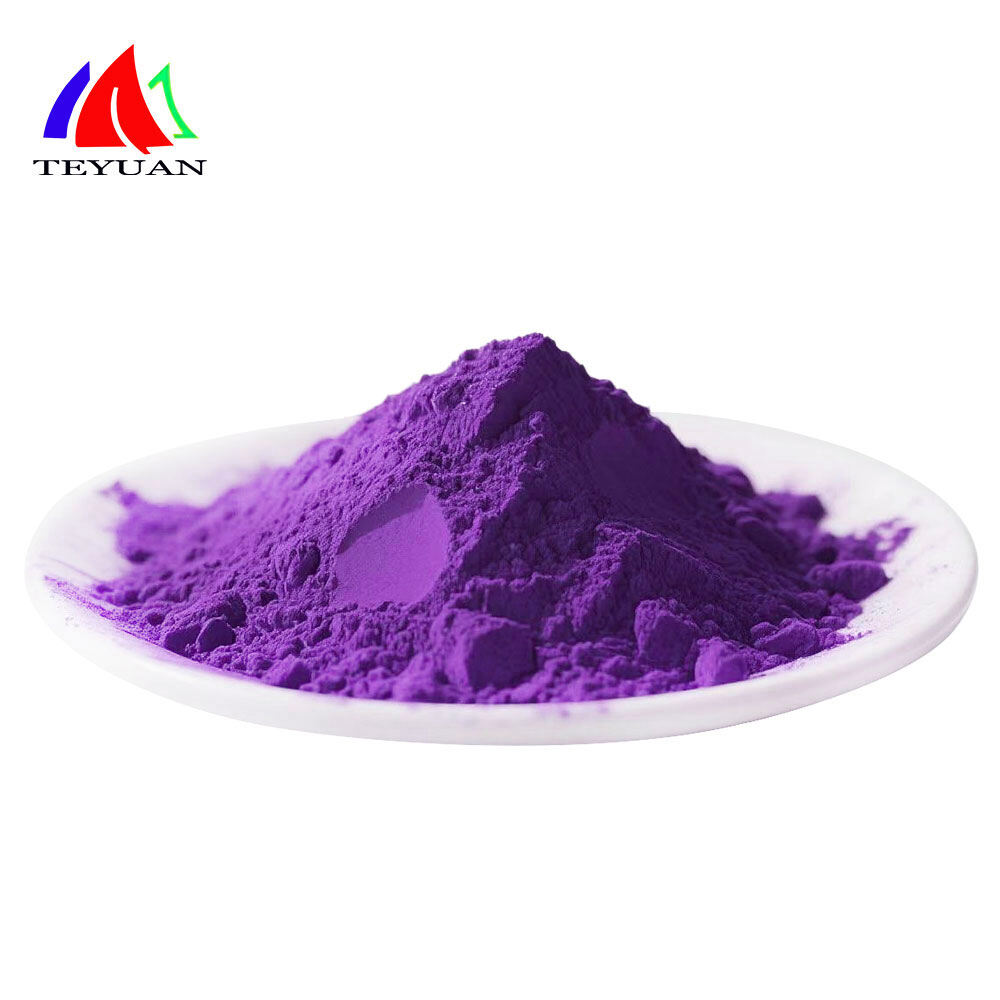
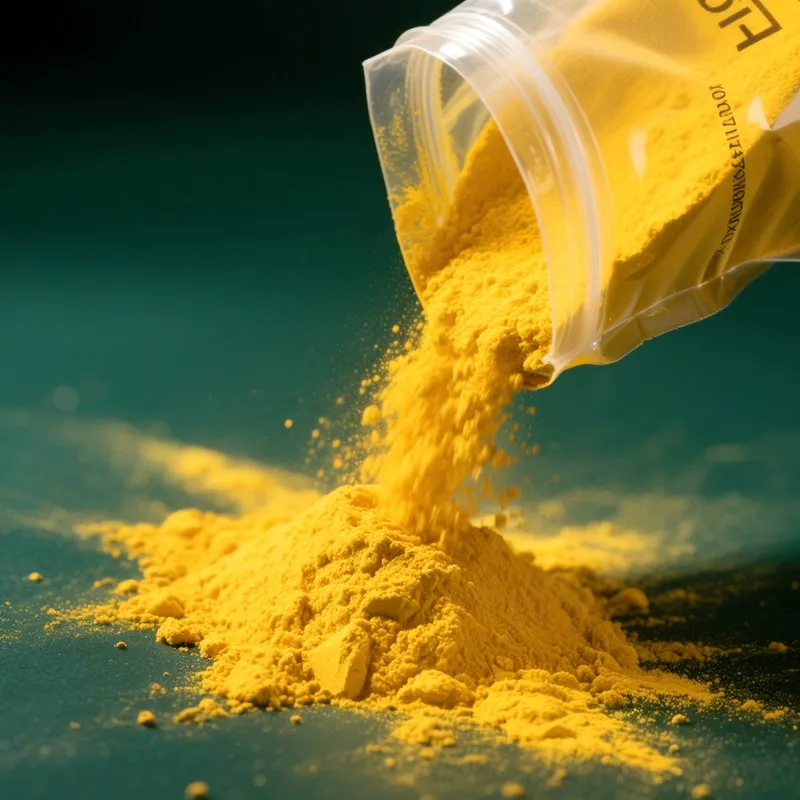
Yellow iron oxide, scientifically known as Iron(III) oxide-hydroxide (FeOOH), is a versatile synthetic pigment widely used across various industries. This compound exhibits exceptional color stability, UV resistance, and chemical inertness, making it an invaluable material in modern manufacturing. The pigment is produced through carefully controlled synthetic processes, ensuring consistent particle size and optimal color properties. In terms of technological features, yellow iron oxide demonstrates remarkable heat stability up to 180°C, maintains its vibrant hue under various environmental conditions, and offers excellent dispersibility in different mediums. Its applications span across multiple sectors, including construction materials, paints and coatings, plastics, rubber products, and cosmetics. The compound's non-toxic nature and environmental sustainability have made it increasingly popular in eco-conscious manufacturing. In the construction industry, it serves as a crucial colorant for concrete, mortar, and architectural materials, providing lasting aesthetic appeal without compromising structural integrity. The pigment's superior weather resistance and anti-corrosive properties make it particularly suitable for outdoor applications, while its consistent quality ensures reliable color reproduction in mass production settings.
New Product Recommendations

Yellow iron oxide offers numerous compelling advantages that make it a preferred choice across various applications. Its outstanding color stability ensures that products maintain their aesthetic appeal over extended periods, even when exposed to harsh environmental conditions. The pigment's excellent dispersibility allows for easy incorporation into various matrices, resulting in uniform color distribution and consistent end products. From a manufacturing perspective, its high tinting strength reduces the quantity needed for achieving desired color intensity, leading to cost-effective production processes. The material's non-toxic nature and environmental compatibility align with modern sustainability requirements, making it suitable for use in sensitive applications such as cosmetics and food packaging materials. Its superior weather resistance makes it particularly valuable in outdoor applications, where it maintains color integrity despite exposure to UV radiation and atmospheric pollutants. The compound's chemical stability prevents unwanted reactions with other ingredients in formulations, ensuring product consistency and longevity. Additionally, its heat stability allows for processing at elevated temperatures without color degradation, expanding its utility in high-temperature manufacturing processes. The material's anti-corrosive properties provide additional protection to substrates, extending product lifespan and reducing maintenance requirements. Its versatility in application methods, including dry blending, wet dispersion, and direct incorporation, offers manufacturers flexibility in production processes.

Practical Tips

Frequently Asked Questions

27

Jun

Frequently Asked Questions

View More
Comparison between Iron Oxide Pigments and Mica Iron Oxide Pigments

27

Jun

Comparison between Iron Oxide Pigments and Mica Iron Oxide Pigments

View More
Compressed Sphagnum Moss: A Versatile Material Bestowed by Nature

26

Jun

Compressed Sphagnum Moss: A Versatile Material Bestowed by Nature

View More

Get a Free Quote

Our representative will contact you soon.
Email
Name
Company Name
Message
0/1000

yellow iron oxide

Superior Color Stability and Weathering Resistance

Superior Color Stability and Weathering Resistance

Yellow iron oxide's exceptional color stability stands as one of its most distinguished characteristics, particularly crucial for long-term outdoor applications. The pigment maintains its vibrant yellow hue even after prolonged exposure to intense UV radiation, varying temperatures, and diverse weather conditions. This remarkable stability stems from its unique crystal structure and chemical composition, which prevents color fading or degradation over time. The material's resistance to weathering extends beyond mere color retention, encompassing structural integrity and surface protection. When incorporated into construction materials or coating systems, it forms a stable matrix that resists chalking, peeling, and surface deterioration. This enhanced durability translates to reduced maintenance costs and extended product lifecycles, making it an economically advantageous choice for manufacturers and end-users alike.
Environmental Compatibility and Safety Profile

Environmental Compatibility and Safety Profile

The environmental credentials of yellow iron oxide make it an increasingly relevant choice in today's sustainability-focused manufacturing landscape. As a synthetic version of naturally occurring compounds, it offers minimal environmental impact while maintaining consistent quality and performance. The material's non-toxic nature is particularly significant, as it complies with strict regulatory requirements for use in sensitive applications such as cosmetics and children's toys. Its production process generates minimal waste and requires relatively low energy input compared to alternative pigments, contributing to a reduced carbon footprint. The compound's chemical stability prevents leaching or degradation that could harm the environment, while its inert nature ensures long-term safety in various applications.
Versatile Application Properties

Versatile Application Properties

Yellow iron oxide's versatility in application methods and compatibility with various matrices sets it apart in the pigment industry. Its excellent dispersibility allows for uniform distribution in both water-based and solvent-based systems, ensuring consistent color development across different manufacturing processes. The pigment's high tinting strength enables efficient use of material, as smaller quantities can achieve desired color intensity compared to alternative pigments. Its ability to maintain stability in different pH environments expands its applicability across various formulations, from acidic to alkaline systems. The material's excellent heat stability allows for processing at elevated temperatures without compromising color quality or performance, making it suitable for high-temperature applications in plastics and coating industries.

Get a Free Quote

Our representative will contact you soon.
Email
Name
Company Name
Message
0/1000