 EN
EN

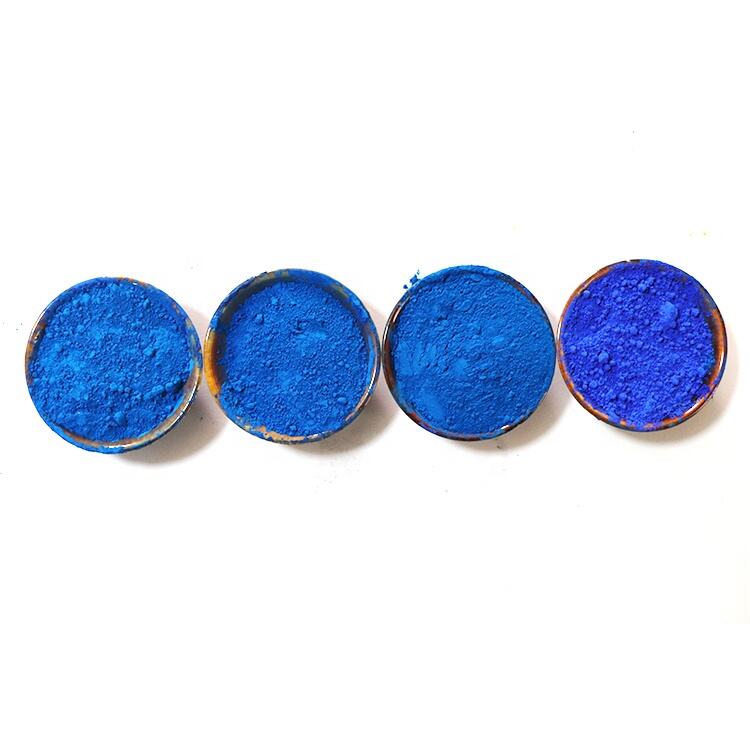
Iron oxide blue pigment stands as one of the most reliable and versatile coloring solutions in modern industrial applications. This synthetic inorganic pigment offers exceptional stability, fade resistance, and vibrant color consistency that makes it indispensable across numerous sectors. From architectural concrete to automotive coatings, iron oxide blue pigment delivers the performance characteristics that professionals demand for high-quality, long-lasting results. Understanding the unique properties and applications of this remarkable colorant can help manufacturers and specifiers make informed decisions for their projects.
Chemical Composition and Manufacturing Excellence
Molecular Structure and Purity Standards
The chemical foundation of iron oxide blue pigment lies in its complex iron-based molecular structure, which provides exceptional stability under various environmental conditions. This synthetic pigment undergoes rigorous manufacturing processes to achieve consistent particle size distribution and optimal color strength. The production methodology ensures that each batch maintains the same high-quality standards, delivering reliable performance across different applications. Quality control measures throughout manufacturing guarantee that iron oxide blue pigment meets international specifications for purity, color consistency, and chemical stability.
Advanced analytical techniques monitor the crystalline structure and surface characteristics of iron oxide blue pigment particles during production. These sophisticated quality assurance protocols ensure optimal dispersion properties and color development in various matrix systems. The controlled manufacturing environment minimizes impurities that could affect performance or longevity in end-use applications.
Production Technology and Quality Control
Modern production facilities utilize state-of-the-art technology to synthesize iron oxide blue pigment with precise control over particle morphology and size distribution. The manufacturing process involves carefully controlled temperature and pH conditions to optimize crystal formation and achieve consistent color characteristics. Automated monitoring systems track critical parameters throughout production, ensuring that every batch of iron oxide blue pigment meets stringent quality specifications.
Comprehensive testing protocols evaluate multiple performance parameters including tinting strength, oil absorption, and weather resistance. These quality control measures guarantee that iron oxide blue pigment maintains its superior performance characteristics across diverse application environments. The commitment to manufacturing excellence ensures reliable supply of high-quality pigment for demanding industrial applications.
Superior Performance Characteristics
Weather Resistance and Durability
Iron oxide blue pigment demonstrates exceptional resistance to ultraviolet radiation, moisture, and temperature fluctuations, making it ideal for outdoor applications. This remarkable weather stability ensures that colors remain vibrant and true over extended exposure periods. The pigment's molecular structure provides inherent protection against photochemical degradation that commonly affects organic colorants. Field testing and accelerated aging studies consistently demonstrate the superior longevity of iron oxide blue pigment in challenging environmental conditions.
The outstanding fade resistance of iron oxide blue pigment makes it particularly valuable for architectural and decorative applications where color permanence is critical. This durability translates into reduced maintenance costs and longer service life for finished products. The pigment maintains its vibrant appearance even under intense sunlight and harsh weather conditions.
Chemical Stability and Compatibility
The excellent chemical stability of iron oxide blue pigment ensures compatibility with a wide range of binder systems and additives commonly used in industrial formulations. This versatility allows formulators to achieve desired performance characteristics without compromising color integrity or stability. The pigment remains chemically inert in alkaline environments, making it particularly suitable for cement and concrete applications where pH levels are typically high.
Iron oxide blue pigment exhibits excellent resistance to acids, alkalis, and various organic solvents, providing reliable performance across diverse application environments. This chemical resistance ensures that the pigment maintains its color and performance characteristics even when exposed to aggressive chemical conditions. The stability of iron oxide blue pigment in different pH ranges makes it suitable for applications ranging from acidic automotive coatings to alkaline building materials.
Industrial Applications and Market Sectors
Construction and Building Materials
The construction industry represents one of the largest markets for iron oxide blue pigment, where its exceptional durability and color stability provide significant value. Concrete manufacturers rely on this pigment to achieve consistent blue coloration in decorative concrete, precast elements, and architectural panels. The alkaline resistance of iron oxide blue pigment ensures that colors remain stable in cement-based systems throughout the service life of the structure.
Roofing tile manufacturers utilize iron oxide blue pigment to create attractive, long-lasting colored tiles that maintain their appearance despite continuous exposure to weather extremes. The pigment's excellent dispersion properties facilitate uniform color distribution throughout ceramic and concrete tile matrices. Iron oxide blue pigment also finds extensive use in colored mortars, stuccos, and other building materials where consistent color and weather resistance are essential.
Coatings and Paint Systems
Paint and coating manufacturers value iron oxide blue pigment for its excellent hiding power, tinting strength, and compatibility with various resin systems. The pigment performs exceptionally well in both solvent-based and water-based formulations, providing formulators with maximum flexibility. Industrial coating applications benefit from the pigment's chemical resistance and durability, particularly in protective coatings for steel structures and marine environments.
Automotive coating systems incorporate iron oxide blue pigment to achieve durable, fade-resistant finishes that maintain their appearance throughout the vehicle's service life. The pigment's thermal stability makes it suitable for high-temperature curing processes commonly used in automotive manufacturing. Iron oxide blue pigment also provides excellent color matching capabilities, enabling consistent color reproduction across different production batches and facilities.
Technical Specifications and Selection Criteria
Particle Size and Dispersion Properties
The particle size distribution of iron oxide blue pigment significantly influences its performance characteristics, including tinting strength, opacity, and surface finish quality. Manufacturers offer various grades with different particle size specifications to meet specific application requirements. Fine particle grades provide enhanced tinting strength and smooth surface finishes, while coarser grades may offer improved durability in certain applications.
Optimal dispersion of iron oxide blue pigment requires understanding the interaction between particle surface characteristics and the dispersing medium. Surface treatments can modify the pigment's wetting and dispersion properties to improve compatibility with specific binder systems. Proper dispersion techniques ensure maximum color development and uniform distribution throughout the final product matrix.
Color Matching and Consistency
Color consistency represents a critical factor in commercial applications of iron oxide blue pigment, where batch-to-batch variation must be minimized to ensure product quality. Advanced colorimetric analysis and quality control procedures maintain tight tolerances on color parameters throughout production. Spectrophotometric measurements provide objective color assessment and enable precise color matching across different production runs.
Iron oxide blue pigment manufacturers maintain comprehensive color standards and provide detailed technical data to support color matching efforts. Computer color matching systems can accurately predict the colorimetric properties of iron oxide blue pigment blends, enabling efficient formulation development. The availability of multiple blue shades allows formulators to achieve precise color targets while maintaining optimal performance characteristics.
Environmental Considerations and Sustainability
Environmental Safety and Regulatory Compliance
Iron oxide blue pigment offers significant environmental advantages compared to many organic and heavy metal-based colorants, contributing to sustainable manufacturing practices. The pigment contains no heavy metals or toxic components, making it safe for use in applications where environmental impact is a concern. Regulatory agencies worldwide have approved iron oxide blue pigment for use in various applications, including those with potential food contact or environmental exposure.
The non-toxic nature of iron oxide blue pigment eliminates many health and safety concerns associated with alternative colorants, reducing workplace hazards and environmental risks. This safety profile makes the pigment suitable for use in schools, hospitals, and residential applications where human health protection is paramount. Iron oxide blue pigment also meets stringent environmental regulations in various jurisdictions, facilitating international trade and market access.
Lifecycle Assessment and Sustainability Benefits
The exceptional durability of iron oxide blue pigment contributes to product longevity, reducing the need for frequent repainting or replacement cycles. This extended service life translates into reduced material consumption and waste generation over the product lifecycle. The pigment's stability eliminates the release of degradation products into the environment, maintaining environmental integrity throughout the service period.
Energy-efficient manufacturing processes minimize the environmental footprint of iron oxide blue pigment production while maintaining high quality standards. Recycling and waste minimization programs in production facilities further enhance the environmental profile of this sustainable colorant. The ability to achieve desired color effects with smaller quantities of iron oxide blue pigment compared to some alternatives reduces material usage and associated environmental impacts.
Application Guidelines and Best Practices
Formulation Considerations and Mixing Procedures
Successful application of iron oxide blue pigment requires attention to proper mixing procedures and formulation guidelines to achieve optimal color development and performance. The mixing sequence and duration significantly impact dispersion quality and final color characteristics. High-shear mixing equipment typically provides the best results for incorporating iron oxide blue pigment into various matrix systems.
Temperature control during mixing helps prevent agglomeration and ensures uniform distribution of iron oxide blue pigment throughout the formulation. Pre-wetting techniques can improve initial dispersion and reduce mixing time requirements. Proper formulation design considers the interaction between iron oxide blue pigment and other ingredients to optimize overall system performance and stability.
Storage and Handling Requirements
Proper storage conditions preserve the quality and performance characteristics of iron oxide blue pigment throughout its shelf life. Dry storage areas protect the pigment from moisture absorption that could affect flowability and dispersion properties. Temperature-controlled environments prevent thermal cycling that might impact particle characteristics or packaging integrity.
Handling procedures should minimize dust generation and ensure worker safety while maintaining product quality. Appropriate personal protective equipment protects workers from dust exposure during handling and processing operations. Regular quality checks verify that stored iron oxide blue pigment maintains its specified properties and performance characteristics over time.
FAQ
What makes iron oxide blue pigment superior to organic blue colorants
Iron oxide blue pigment offers superior weather resistance, chemical stability, and longevity compared to most organic blue colorants. The inorganic nature of iron oxide blue pigment provides exceptional fade resistance and thermal stability, making it ideal for outdoor applications and high-temperature processing. Unlike organic pigments that may degrade under UV exposure or chemical attack, iron oxide blue pigment maintains its color integrity throughout extended service periods, resulting in lower lifecycle costs and improved product performance.
How does particle size affect the performance of iron oxide blue pigment
Particle size significantly influences the tinting strength, opacity, and surface finish characteristics of iron oxide blue pigment. Finer particles typically provide higher tinting strength and better color development, while larger particles may offer improved durability and different surface texture effects. The optimal particle size depends on the specific application requirements, with manufacturers offering various grades to meet different performance needs. Proper selection of particle size grade ensures optimal color development and performance characteristics for each application.
Can iron oxide blue pigment be used in food-contact applications
Iron oxide blue pigment has received approval for certain food-contact applications in many jurisdictions due to its non-toxic nature and chemical stability. However, specific regulatory requirements vary by region and application type, so it's essential to verify compliance with local food contact regulations before use. The pigment's inert nature and absence of heavy metals make it suitable for applications where safety is paramount, but proper regulatory approval should always be confirmed for food-contact uses.
What quality control measures ensure consistent performance of iron oxide blue pigment
Comprehensive quality control programs monitor multiple parameters including particle size distribution, color consistency, chemical purity, and physical properties throughout production. Advanced analytical techniques such as X-ray diffraction, particle size analysis, and spectrophotometric color measurement ensure that each batch meets strict specifications. Statistical process control methods track production parameters to maintain consistency, while accelerated aging tests verify long-term stability and performance characteristics of iron oxide blue pigment under various environmental conditions.