 EN
EN
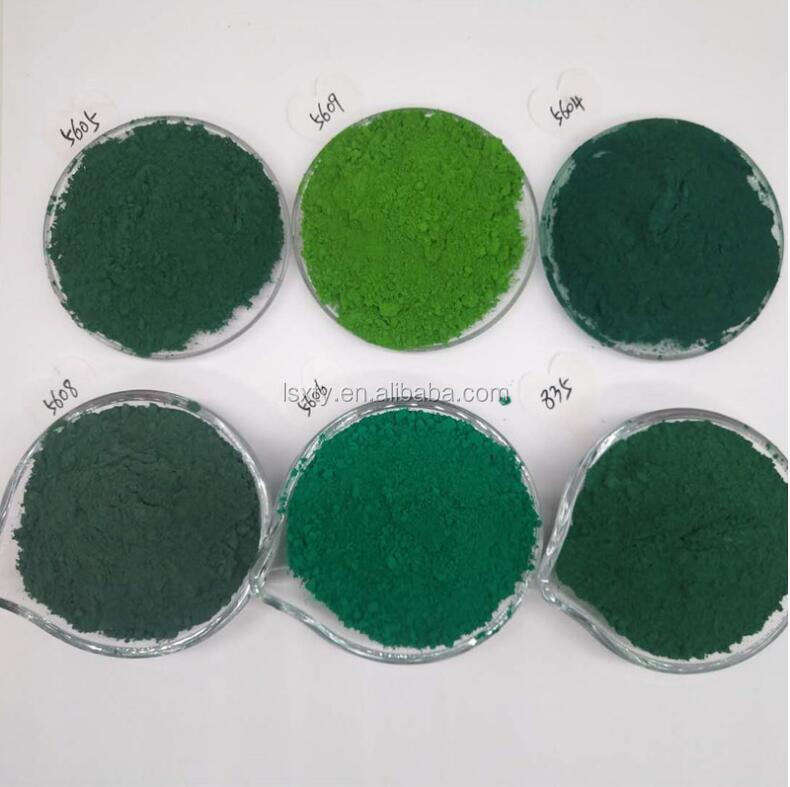
Iron oxide green stands out as one of the most environmentally responsible pigment choices available in today's construction and manufacturing industries. This synthetic inorganic pigment offers exceptional coloring properties while maintaining a significantly lower environmental impact compared to traditional organic colorants and heavy metal-based alternatives. Understanding the eco-friendly characteristics of iron oxide green becomes increasingly important as industries worldwide shift toward sustainable practices and regulatory compliance.
The growing demand for sustainable building materials and environmentally conscious manufacturing processes has positioned iron oxide green as a preferred pigment solution across multiple industries. From concrete coloring and architectural applications to protective coatings and ceramic production, this versatile pigment delivers consistent performance while supporting corporate sustainability goals and environmental stewardship initiatives.
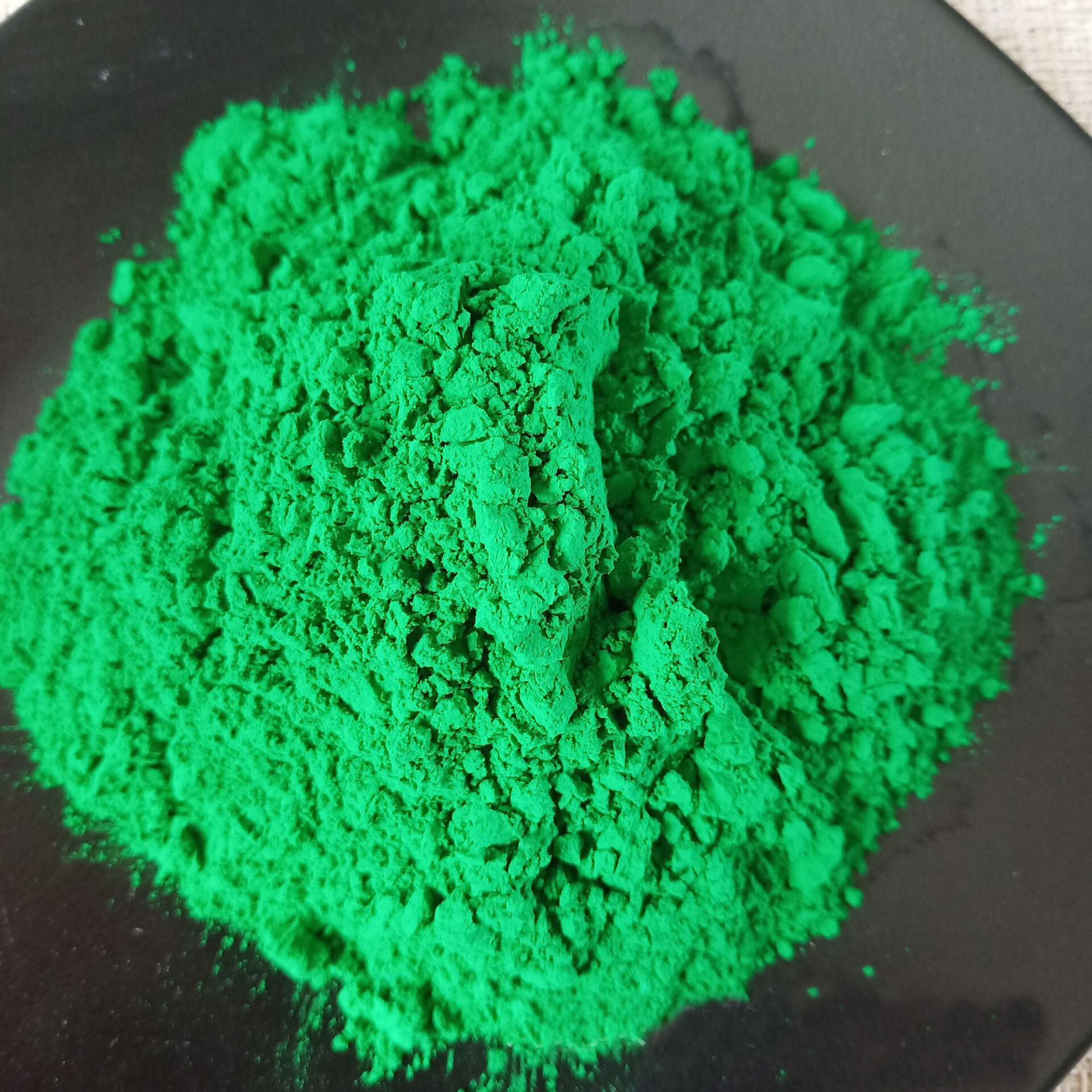
Environmental Advantages of Iron Oxide Green
Non-Toxic Composition and Safety Profile
Iron oxide green demonstrates exceptional environmental safety through its non-toxic chemical composition. Unlike many synthetic pigments that contain heavy metals or harmful organic compounds, iron oxide green consists primarily of iron and oxygen, making it inherently safe for both human contact and environmental exposure. This composition eliminates concerns about leaching toxic substances into soil or groundwater systems during construction or manufacturing processes.
The pigment's safety profile extends to indoor air quality applications, where iron oxide green does not emit volatile organic compounds or other harmful gases. This characteristic makes it particularly valuable for interior construction projects and architectural applications where occupant health and indoor environmental quality are primary concerns. The non-reactive nature of iron oxide green ensures stable performance without degrading into hazardous byproducts over time.
Regulatory agencies worldwide recognize the safety advantages of iron oxide green, with approvals for use in food-contact applications and children's products. This regulatory acceptance demonstrates the pigment's exceptional safety profile and reinforces its position as an environmentally responsible choice for various industrial applications.
Sustainable Production Methods
Modern iron oxide green production employs increasingly sustainable manufacturing processes that minimize environmental impact while maintaining consistent quality standards. The synthetic production methods used for iron oxide green typically require less energy and generate fewer emissions compared to organic pigment synthesis or natural mineral extraction processes.
The controlled synthesis of iron oxide green allows manufacturers to optimize resource utilization and minimize waste generation. This precision in production reduces the overall environmental footprint while ensuring consistent color properties and performance characteristics. Many producers have implemented closed-loop systems that recover and reuse process materials, further enhancing the sustainability profile of iron oxide green manufacturing.
Water usage in iron oxide green production has been significantly reduced through advanced process technologies and recycling systems. These improvements address growing concerns about industrial water consumption and help manufacturers achieve their environmental sustainability targets while maintaining production efficiency and product quality standards.
Durability and Longevity Benefits
Weather Resistance and Color Stability
The exceptional weather resistance of iron oxide green contributes significantly to its eco-friendly profile by extending the service life of colored materials and reducing replacement frequency. This pigment maintains color integrity under prolonged exposure to ultraviolet radiation, temperature fluctuations, and moisture conditions that typically cause fading or degradation in organic colorants.
Iron oxide green exhibits superior lightfastness ratings, ensuring that colored concrete, coatings, and other materials retain their appearance for decades without requiring reapplication or replacement. This longevity reduces the cumulative environmental impact by minimizing resource consumption, transportation requirements, and waste generation associated with frequent maintenance or replacement cycles.
The chemical stability of iron oxide green prevents color migration or bleeding, which can contaminate surrounding materials or environmental systems. This stability is particularly important in outdoor applications where weather exposure could potentially mobilize less stable colorants and create environmental concerns.
Reduced Maintenance Requirements
The durability characteristics of iron oxide green translate directly into reduced maintenance requirements for colored materials and surfaces. This reduction in maintenance needs decreases the ongoing use of cleaning chemicals, protective treatments, and recoloring products that could introduce additional environmental impacts over the material's service life.
Construction projects utilizing iron oxide green benefit from lower long-term maintenance costs and reduced environmental impact from maintenance activities. The pigment's resistance to chalking, fading, and chemical degradation means that structures and surfaces maintain their appearance and protective properties with minimal intervention throughout their design life.
The stable performance of iron oxide green reduces the frequency of renovation and replacement projects, which typically generate significant construction waste and require substantial resource inputs. This longevity advantage supports sustainable building practices and life-cycle environmental assessments that favor materials with extended service lives.
Application Versatility and Performance
Construction and Concrete Applications
Iron oxide green excels in construction applications where environmental considerations are increasingly important. The pigment integrates seamlessly into concrete mixtures without affecting structural properties or curing characteristics, allowing architects and contractors to achieve desired aesthetic results while maintaining performance specifications and environmental compliance.
The compatibility of iron oxide green with cement-based materials ensures uniform color distribution and consistent appearance across large construction projects. This reliability reduces waste from color matching issues or rejected materials, contributing to more efficient resource utilization and reduced construction waste generation.
Green building certification programs recognize the environmental benefits of iron oxide green in construction applications. The pigment's contribution to indoor air quality, durability, and reduced maintenance requirements supports LEED and other sustainable building standards that evaluate materials based on their environmental performance throughout their lifecycle.
Industrial Coating Systems
Industrial coating formulations incorporating iron oxide green benefit from the pigment's environmental advantages while achieving superior protective performance. The chemical inertness of iron oxide green prevents interactions with coating binders or substrates that could compromise protective properties or create environmental concerns during application or service.
The heat stability of iron oxide green makes it suitable for high-temperature coating applications where organic pigments might decompose and release harmful compounds. This thermal stability ensures that protective coatings maintain their integrity and environmental safety even under demanding service conditions.
Powder coating systems utilize iron oxide green effectively, supporting the growing adoption of solvent-free coating technologies that eliminate volatile organic compound emissions during application. The compatibility of iron oxide green with powder coating processes enhances the environmental benefits of these advanced coating systems.
Regulatory Compliance and Certification
Environmental Standards Alignment
Iron oxide green meets or exceeds environmental standards established by regulatory agencies worldwide, providing manufacturers and users with confidence in their compliance status. The pigment's approval for various applications reflects extensive testing and evaluation that confirms its environmental safety and minimal impact potential.
REACH registration in Europe and similar regulatory frameworks in other regions provide comprehensive safety and environmental data for iron oxide green. These registrations support informed decision-making by manufacturers and end-users who need to evaluate materials based on their environmental profiles and regulatory compliance requirements.
The consistent regulatory approval of iron oxide green across different geographic markets simplifies supply chain management and ensures that products formulated with this pigment can meet environmental standards in diverse international markets without requiring reformulation or alternative sourcing strategies.
Third-Party Certifications
Independent certification organizations recognize iron oxide green for its environmental benefits and safety characteristics. These third-party validations provide objective verification of the pigment's eco-friendly properties and support sustainability claims made by manufacturers and specifiers.
Cradle-to-cradle assessments and life-cycle analyses consistently demonstrate the environmental advantages of iron oxide green compared to alternative pigment technologies. These comprehensive evaluations consider resource extraction, manufacturing processes, use phase impacts, and end-of-life scenarios to provide complete environmental profiles.
Environmental product declarations for iron oxide green provide transparent information about environmental impacts throughout the product lifecycle. These declarations enable architects, specifiers, and manufacturers to make informed decisions based on quantified environmental data rather than general sustainability claims.
Cost-Effectiveness and Economic Benefits
Long-Term Value Proposition
The economic benefits of iron oxide green extend beyond initial cost considerations to encompass long-term value through reduced maintenance, extended service life, and regulatory compliance advantages. These factors contribute to lower total cost of ownership and improved return on investment for projects incorporating this eco-friendly pigment.
The durability characteristics of iron oxide green reduce the frequency and cost of maintenance activities, generating significant savings over the lifecycle of colored materials and structures. These economic benefits align with environmental advantages by reducing resource consumption and waste generation associated with maintenance and replacement activities.
Insurance and liability considerations increasingly favor environmentally responsible materials like iron oxide green. The reduced risk profile associated with non-toxic, stable pigments can translate into lower insurance premiums and reduced liability exposure for manufacturers and end-users.
Market Demand and Sustainability Trends
Growing market demand for sustainable materials creates competitive advantages for products incorporating iron oxide green. This market trend supports pricing stability and demand growth for eco-friendly pigment solutions while encouraging continued innovation in sustainable material technologies.
Corporate sustainability initiatives increasingly drive material selection decisions, favoring suppliers and products that demonstrate environmental responsibility. Iron oxide green supports these initiatives by providing verified environmental benefits that can be documented and reported in sustainability assessments and corporate responsibility programs.
Government incentives and procurement preferences for environmentally responsible materials create additional economic advantages for iron oxide green applications. These policy drivers reinforce market demand and support the business case for adopting eco-friendly pigment technologies across various industries and applications.
FAQ
How does iron oxide green compare to organic green pigments in terms of environmental impact?
Iron oxide green typically has a lower environmental impact than organic green pigments due to its inorganic composition, which eliminates concerns about volatile organic compounds, biodegradation products, and complex synthesis processes. The mineral-based chemistry of iron oxide green provides inherent stability and safety advantages while requiring less energy-intensive manufacturing processes compared to many organic alternatives.
Can iron oxide green be used in food-contact applications safely?
Yes, iron oxide green is approved for food-contact applications by regulatory agencies including the FDA and European Food Safety Authority. The non-toxic composition and chemical stability of iron oxide green make it suitable for use in food packaging, processing equipment, and other applications where direct or indirect food contact may occur.
What makes iron oxide green more sustainable than traditional concrete colorants?
Iron oxide green offers superior sustainability compared to traditional concrete colorants through its exceptional durability, non-toxic composition, and minimal environmental impact during production and use. Unlike some organic colorants that may fade or require frequent reapplication, iron oxide green maintains color integrity for decades, reducing long-term resource consumption and waste generation.
Does iron oxide green affect the structural properties of concrete or other building materials?
Iron oxide green does not negatively affect the structural properties of concrete or other building materials when used at recommended dosage levels. The inert nature of the pigment means it does not interfere with cement hydration, curing processes, or long-term durability. Proper dosing ensures optimal color development while maintaining all specified performance characteristics of the base material.
Table of Contents
- Environmental Advantages of Iron Oxide Green
- Durability and Longevity Benefits
- Application Versatility and Performance
- Regulatory Compliance and Certification
- Cost-Effectiveness and Economic Benefits
-
FAQ
- How does iron oxide green compare to organic green pigments in terms of environmental impact?
- Can iron oxide green be used in food-contact applications safely?
- What makes iron oxide green more sustainable than traditional concrete colorants?
- Does iron oxide green affect the structural properties of concrete or other building materials?