 EN
EN

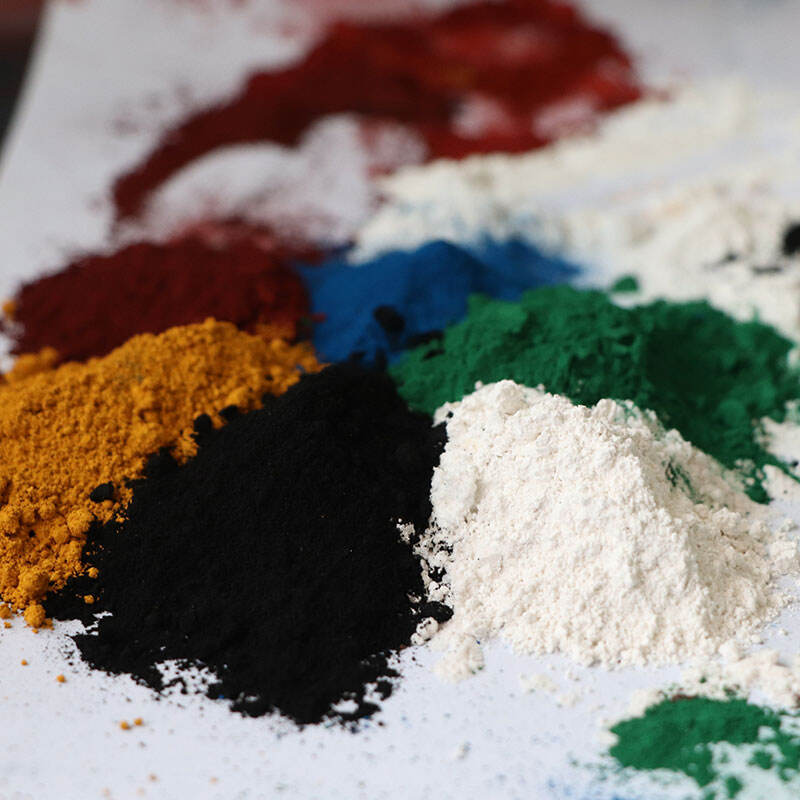
The beauty and art industries have witnessed a remarkable transformation with the introduction of mica pigment, a naturally occurring mineral that delivers exceptional shimmer and color depth. This versatile ingredient has become indispensable for cosmetic manufacturers, artists, and crafters seeking to achieve luminous effects that captivate and inspire. Understanding the unique properties and applications of mica pigment reveals why it has emerged as the preferred choice for professionals across multiple creative disciplines.
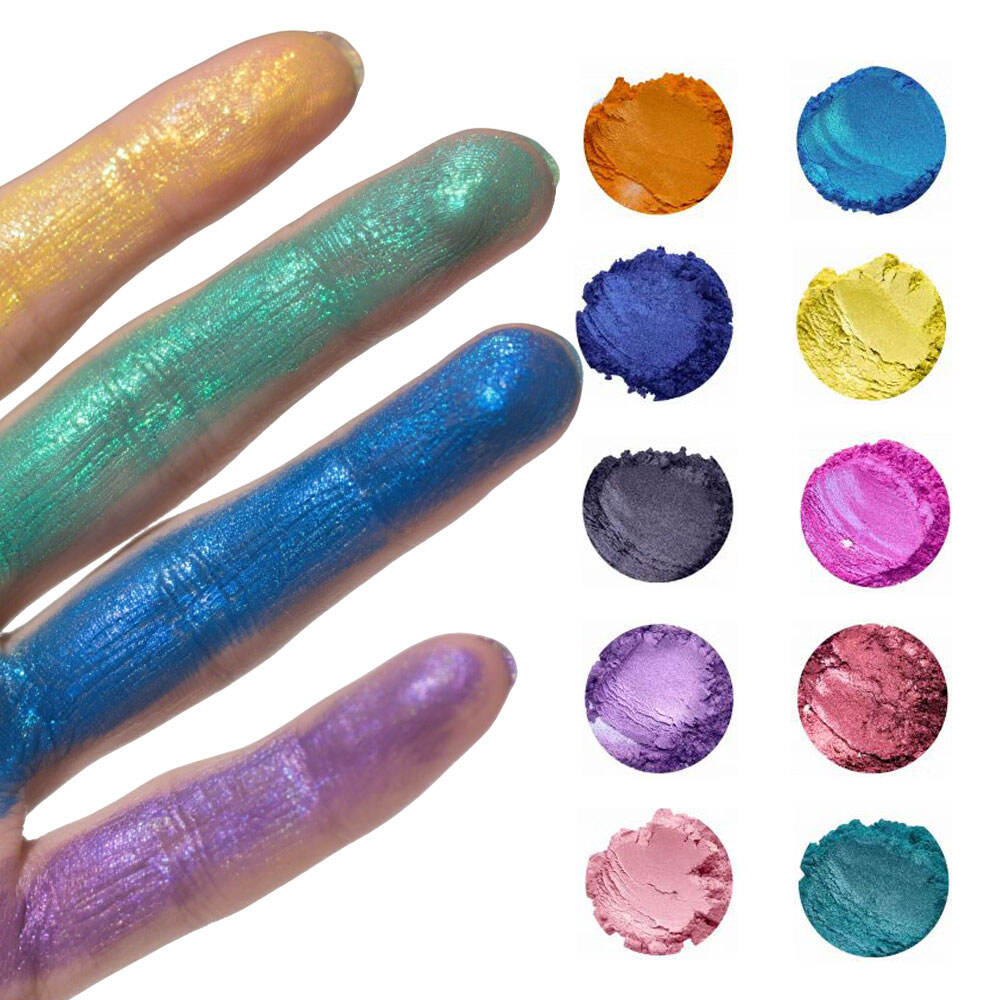
Understanding the Science Behind Mica Pigment Excellence
Mineral Composition and Structural Properties
Mica pigment derives its exceptional qualities from its unique crystalline structure, which consists of thin, plate-like particles that reflect light in multiple directions. This natural mineral belongs to the phyllosilicate group and possesses perfect cleavage properties that allow it to split into incredibly thin sheets. The layered structure creates interference patterns when light passes through, resulting in the characteristic pearlescent and iridescent effects that make mica pigment so desirable in cosmetic and artistic applications.
The particle size distribution of high-quality mica pigment plays a crucial role in determining its performance characteristics. Finer particles typically produce more subtle, sophisticated effects, while larger particles create more dramatic sparkle and shine. This versatility allows formulators to achieve precise visual effects by selecting the appropriate particle size for their specific application requirements.
Optical Properties and Light Interaction
The remarkable optical properties of mica pigment stem from its ability to manipulate light through reflection, refraction, and interference. When light strikes the surface of mica particles, some rays reflect from the top surface while others penetrate deeper and reflect from internal layers. This multi-layered reflection creates the distinctive depth and dimension that distinguishes mica-based products from conventional flat pigments.
The refractive index of mica pigment contributes significantly to its visual impact. With a refractive index ranging from 1.56 to 1.60, mica provides excellent light manipulation capabilities that enhance color saturation and create dynamic visual effects. This optical behavior makes mica pigment particularly effective in applications where visual impact and aesthetic appeal are paramount considerations.
Cosmetic Applications and Industry Benefits
Foundation and Base Makeup Enhancement
In foundation formulations, mica pigment serves multiple functional purposes beyond aesthetic enhancement. Its light-reflecting properties help minimize the appearance of fine lines and imperfections by creating a soft-focus effect on the skin. The natural luminosity provided by mica gives complexions a healthy, radiant glow that appears natural under various lighting conditions, making it an essential ingredient in premium foundation products.
The adherence properties of mica pigment contribute to improved wear time and color stability in base makeup products. Its plate-like structure allows for excellent skin adhesion while maintaining breathability, ensuring comfort throughout extended wear periods. This combination of functional and aesthetic benefits explains why leading cosmetic brands consistently incorporate mica pigment in their foundation formulations.
Eye Makeup and Color Cosmetics
Eyeshadow formulations benefit tremendously from the inclusion of mica pigment, which provides the shimmer and depth that consumers associate with high-quality eye makeup. The ability of mica to create multi-dimensional color effects allows makeup artists to achieve sophisticated looks ranging from subtle daytime enhancement to dramatic evening glamour. The pigment's compatibility with various binder systems ensures consistent performance across different formulation types.
Blush and highlighter products rely heavily on mica pigment to create the coveted glow that enhances facial contours and adds dimension to makeup looks. The natural appearance of mica-enhanced blushes provides a realistic flush that mimics the skin's natural radiance. In highlighter formulations, mica pigment delivers the intense luminosity required to create striking highlighting effects without appearing artificial or overdone.
Artistic and Creative Applications
Fine Arts and Professional Painting
Artists have discovered the transformative power of mica pigment in creating paintings with extraordinary depth and visual interest. When incorporated into oil, acrylic, or watercolor mediums, mica pigment adds luminous qualities that traditional pigments cannot achieve. The reflective properties of mica create paintings that appear to change and shift as viewers move around them, adding an interactive element to artistic works.
Professional artists particularly value mica pigment for its lightfastness and chemical stability, ensuring that artworks maintain their visual impact over time. Unlike some synthetic alternatives, quality mica pigment resists fading and degradation, making it suitable for archival artwork intended for long-term display and collection.
Crafting and Decorative Applications
The crafting community has embraced mica pigment for its versatility in various decorative applications. From soap making to resin casting, mica pigment provides consistent color and shimmer effects that enhance finished products. The pigment's compatibility with different base materials allows crafters to experiment with unique combinations and achieve professional-quality results in home workshops.
Ceramic artists and potters utilize mica pigment to create glazes with exceptional visual depth and complexity. The high-temperature stability of certain mica formulations makes them suitable for kiln firing, opening new possibilities for ceramic decoration and surface treatment. This thermal stability extends the utility of mica pigment beyond room-temperature applications into high-heat artistic processes.
Quality Considerations and Selection Criteria
Purity Standards and Contamination Control
The quality of mica pigment depends heavily on purity levels and the absence of potentially harmful contaminants. Premium-grade mica undergoes rigorous purification processes to remove iron oxides, heavy metals, and other impurities that could affect color consistency or pose safety concerns. Cosmetic-grade mica pigment must meet strict regulatory standards for heavy metal content, particularly lead, mercury, and cadmium levels.
Manufacturing processes that control particle size distribution and surface treatment ensure consistent performance across production batches. Quality suppliers implement comprehensive testing protocols that verify color stability, particle uniformity, and chemical composition. These quality assurance measures are essential for maintaining the reliability and safety of mica pigment in consumer applications.
Regulatory Compliance and Safety Standards
Regulatory approval for mica pigment varies by intended application and geographic market. Cosmetic applications require compliance with FDA regulations in the United States, EU cosmetic regulations in Europe, and similar standards in other markets. These regulations specify acceptable purity levels, permitted colorants, and labeling requirements that ensure consumer safety and product efficacy.
Safety data sheets and technical documentation provide essential information about proper handling, storage, and application procedures for mica pigment. Professional users must understand these guidelines to ensure safe working conditions and optimal product performance. Proper storage in moisture-controlled environments helps maintain the quality and shelf life of mica pigment products.
FAQ
How does mica pigment differ from synthetic alternatives
Mica pigment offers superior optical properties compared to synthetic alternatives due to its natural crystalline structure and unique light-reflecting capabilities. While synthetic pigments may provide consistent color, they typically lack the depth, dimension, and natural luminosity that characterize high-quality mica. The plate-like structure of natural mica creates interference patterns and multi-layered reflections that synthetic materials struggle to replicate authentically.
What factors affect the performance of mica pigment in different applications
Performance factors include particle size distribution, surface treatment, purity level, and compatibility with base formulations. Finer particles generally provide smoother application and more subtle effects, while larger particles create more dramatic sparkle. Surface treatments can enhance dispersion properties and improve compatibility with specific binder systems. The pH and chemical composition of the base formulation also influence how mica pigment performs and appears in finished products.
Is mica pigment suitable for sensitive skin applications
High-quality, cosmetic-grade mica pigment is generally well-tolerated by sensitive skin when properly purified and processed. The natural mineral composition and chemical inertness of mica make it less likely to cause allergic reactions compared to some synthetic colorants. However, individuals with known mineral sensitivities should perform patch testing before using products containing mica pigment, and manufacturers should ensure their mica meets appropriate purity standards for cosmetic use.
How should mica pigment be stored to maintain optimal quality
Proper storage of mica pigment requires protection from moisture, extreme temperatures, and direct sunlight. Sealed containers in cool, dry environments help prevent clumping and maintain particle integrity. Avoiding contamination from other materials and using clean handling procedures ensures consistent performance over extended storage periods. Professional users should follow supplier recommendations for specific storage conditions based on the particular grade and treatment of their mica pigment products.