 EN
EN
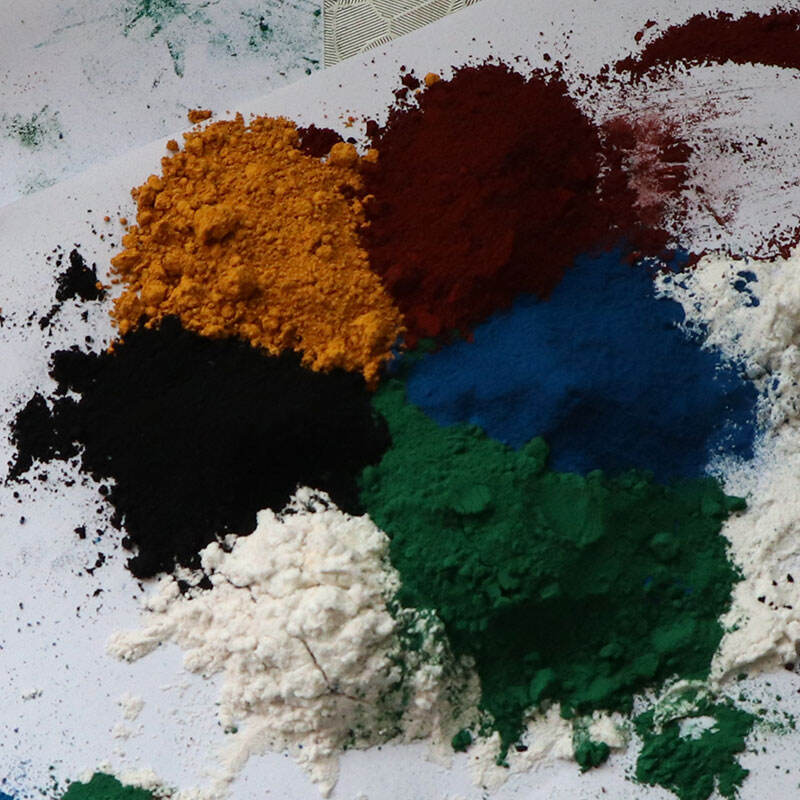
The pursuit of exceptional surface finishes in industrial applications has led manufacturers to explore advanced pigment technologies that deliver both aesthetic appeal and functional performance. Mica Iron Oxide Pigment represents a breakthrough in coating formulations, offering unique properties that combine the natural shimmer of mica with the protective qualities of iron oxide. This innovative pigment solution addresses the growing demand for coatings that not only protect substrates from environmental degradation but also provide distinctive visual characteristics that enhance product value and market appeal.
Modern industrial coatings face increasingly demanding performance requirements across diverse applications, from architectural structures to marine environments. The integration of specialized pigments has become essential for achieving superior protection while maintaining aesthetic standards. Mica Iron Oxide Pigment emerges as a versatile solution that addresses multiple performance criteria simultaneously, making it an invaluable component in high-performance coating systems.
Understanding the Unique Properties of Mica Iron Oxide Pigment
Structural Composition and Formation
The distinctive characteristics of Mica Iron Oxide Pigment arise from its unique structural composition, which combines the lamellar structure of mica with iron oxide particles. This hybrid formation creates a pigment with exceptional light-reflecting properties while maintaining the chemical stability associated with iron oxide compounds. The manufacturing process involves careful control of particle size distribution and surface treatment to optimize both optical and protective performance.
The platelet-like structure of mica provides the foundation for the pigment's reflective qualities, while the iron oxide component contributes to color stability and corrosion resistance. This dual-component system results in a pigment that exhibits both metallic luster and robust durability, making it suitable for demanding industrial applications where conventional pigments may fall short.
Optical and Physical Characteristics
The optical properties of Mica Iron Oxide Pigment set it apart from traditional colorants, offering unique light interaction capabilities that create depth and visual interest in coated surfaces. The oriented platelet structure enables controlled light reflection and scattering, producing effects ranging from subtle shimmer to pronounced metallic appearance depending on application parameters and viewing angle.
Physical characteristics include excellent chemical inertness, thermal stability up to elevated temperatures, and resistance to UV degradation. These properties ensure long-term color retention and surface integrity in outdoor applications, while the inherent barrier properties contribute to enhanced corrosion protection of underlying substrates.
Performance Benefits in Industrial Applications
Corrosion Protection Enhancement
The incorporation of Mica Iron Oxide Pigment in protective coatings significantly enhances corrosion resistance through multiple mechanisms. The platelet structure creates an overlapping barrier effect that reduces moisture and oxygen permeability, while the iron oxide component provides cathodic protection properties that actively inhibit corrosion processes at the substrate interface.
Industrial testing demonstrates that coatings formulated with this specialized pigment exhibit extended service life in harsh environments, including marine atmospheres, chemical processing facilities, and urban pollution exposure. The synergistic protection mechanisms result in reduced maintenance requirements and lower lifecycle costs for critical infrastructure applications.
UV Resistance and Weatherability
Superior ultraviolet resistance represents another key advantage of Mica Iron Oxide Pigment formulations, addressing one of the primary causes of coating degradation in outdoor applications. The iron oxide component naturally absorbs and dissipates UV energy, preventing photochemical breakdown of polymer binders and maintaining coating integrity over extended exposure periods.
Accelerated weathering studies confirm exceptional color retention and gloss stability, with minimal chalking or surface degradation after thousands of hours of artificial aging. This performance translates to reduced recoating frequency and sustained aesthetic appearance throughout the coating's service life, providing significant value in architectural and industrial maintenance programs.

Application Techniques and Formulation Considerations
Optimal Loading Levels and Dispersion
Achieving maximum performance from Mica Iron Oxide Pigment requires careful attention to loading levels and dispersion techniques within the coating formulation. Typical pigment volume concentrations range from fifteen to thirty percent, depending on the desired balance between protective performance and aesthetic characteristics. Higher loading levels generally provide enhanced barrier properties but may impact application characteristics and final appearance.
Proper dispersion techniques are critical for realizing the full potential of the pigment's unique properties. High-shear mixing equipment and specialized dispersing agents help achieve uniform particle orientation and prevent agglomeration that could compromise both appearance and performance. The processing parameters must be optimized to maintain the integrity of the mica platelets while ensuring thorough wetting and incorporation into the binder system.
Compatibility with Coating Systems
Mica Iron Oxide Pigment demonstrates excellent compatibility with various binder chemistries, including epoxy, polyurethane, acrylic, and alkyd systems. However, formulation adjustments may be necessary to accommodate the unique characteristics of the pigment and optimize final coating properties. Factors such as binder selection, plasticizer content, and additive packages require consideration to achieve desired application characteristics and cured film properties.
The pigment's chemical inertness minimizes potential interactions with other formulation components, reducing the risk of compatibility issues that could affect stability or performance. Nevertheless, comprehensive testing is recommended when developing new formulations or modifying existing systems to incorporate this specialized pigment technology.
Market Applications and Industry Sectors
Architectural and Decorative Coatings
The architectural coatings sector has embraced Mica Iron Oxide Pigment for applications requiring both aesthetic appeal and long-term durability. Premium exterior finishes benefit from the pigment's ability to create sophisticated metallic effects while providing superior weather resistance and color retention. The unique optical properties enable architects and designers to specify coatings that maintain their appearance over extended periods without frequent maintenance.
Interior applications also benefit from the pigment's distinctive characteristics, particularly in commercial and institutional settings where durability and easy maintenance are priorities. The natural antimicrobial properties of iron oxide contribute to improved hygiene performance, while the lustrous finish provides easy cleaning and stain resistance.
Industrial and Marine Coatings
Heavy-duty industrial applications represent a significant market segment for Mica Iron Oxide Pigment technology, particularly in environments where conventional coatings struggle to maintain performance standards. Steel structures, storage tanks, and processing equipment benefit from the enhanced corrosion protection and extended service life provided by properly formulated systems incorporating this advanced pigment.
Marine applications present unique challenges that are well-addressed by the pigment's multiple protective mechanisms. The combination of barrier protection, cathodic inhibition, and UV resistance makes it particularly suitable for offshore structures, shipping containers, and coastal infrastructure where exposure to saltwater, UV radiation, and mechanical stress creates demanding service conditions.
Quality Control and Performance Testing
Standardized Testing Protocols
Comprehensive quality control measures ensure consistent performance of Mica Iron Oxide Pigment across different production batches and application conditions. Standardized testing protocols evaluate critical parameters including particle size distribution, surface area, chemical composition, and optical properties. These measurements provide essential data for formulation optimization and quality assurance programs.
Performance testing encompasses both accelerated laboratory methods and real-world exposure studies to validate coating durability and protective effectiveness. Salt spray testing, cyclic corrosion exposure, and UV weathering protocols provide quantitative data on corrosion resistance, color retention, and surface integrity over time. These results support specification development and help predict long-term performance in specific service environments.
Batch Consistency and Traceability
Manufacturing consistency is maintained through rigorous process controls and continuous monitoring of key production parameters. Each batch of Mica Iron Oxide Pigment undergoes comprehensive analysis to ensure conformance with established specifications and performance standards. Documentation systems provide complete traceability from raw materials through final product delivery, supporting quality assurance requirements and technical support activities.
Statistical process control methods identify trends and variations that could affect product quality, enabling proactive adjustments to maintain optimal performance characteristics. This systematic approach ensures that coating manufacturers receive consistent materials that support reliable formulation performance and predictable application results.
Environmental Considerations and Sustainability
Eco-Friendly Manufacturing Processes
Modern production methods for Mica Iron Oxide Pigment emphasize environmental responsibility and sustainability throughout the manufacturing process. Energy-efficient processing techniques, waste minimization strategies, and responsible sourcing of raw materials contribute to reduced environmental impact while maintaining product quality and performance standards.
Water-based processing systems and closed-loop recycling minimize waste generation and resource consumption, while advanced emission control systems ensure compliance with environmental regulations. These practices align with growing industry demands for sustainable manufacturing processes and environmentally responsible product choices.
Long-Term Environmental Benefits
The extended service life provided by coatings formulated with Mica Iron Oxide Pigment contributes to environmental sustainability through reduced maintenance requirements and longer recoating intervals. This translates to lower overall material consumption, reduced waste generation, and decreased environmental impact over the coating's lifecycle.
The pigment's natural origin and chemical stability eliminate concerns about toxic leaching or environmental degradation, making it suitable for applications where environmental compatibility is a critical consideration. These characteristics support sustainable construction practices and green building certification requirements in various market sectors.
FAQ
What makes Mica Iron Oxide Pigment different from standard iron oxide pigments?
Mica Iron Oxide Pigment combines the reflective properties of mica with the protective characteristics of iron oxide, creating a unique hybrid pigment that offers both aesthetic enhancement and superior corrosion protection. Unlike standard iron oxide pigments that primarily provide color and basic protection, this specialized pigment delivers metallic luster effects while maintaining excellent chemical resistance and UV stability. The platelet structure creates barrier properties that significantly exceed those of conventional spherical pigments.
How does the pigment concentration affect coating performance and appearance?
Pigment concentration directly influences both protective performance and visual characteristics of the finished coating. Higher concentrations typically provide enhanced barrier protection and more pronounced metallic effects, but may impact application properties such as viscosity and leveling. Optimal loading levels usually range from fifteen to thirty percent by volume, with specific concentrations determined by the intended application requirements and desired balance between protection and appearance. Proper formulation testing is essential to achieve the best combination of properties for each specific use case.
What surface preparation is required for optimal performance?
Successful application of coatings containing Mica Iron Oxide Pigment requires standard industrial surface preparation practices, including thorough cleaning to remove contamination, proper profile development for adhesion, and environmental control during application. The pigment itself does not require special surface preparation beyond what is normally recommended for high-performance industrial coatings. However, proper substrate preparation is critical for realizing the full protective potential of the system, particularly in corrosive environments where maximum adhesion and barrier properties are essential.
Can this pigment be used in water-based coating systems?
Mica Iron Oxide Pigment is compatible with water-based coating systems when properly formulated with appropriate dispersing agents and stabilizers. The pigment's chemical inertness minimizes interaction with waterborne binders, but attention to pH control and ionic stability is important for maintaining dispersion quality and preventing flocculation. Successful waterborne formulations require careful selection of wetting agents and rheology modifiers to achieve proper particle orientation and film formation while maintaining the desired protective and aesthetic properties.