 EN
EN
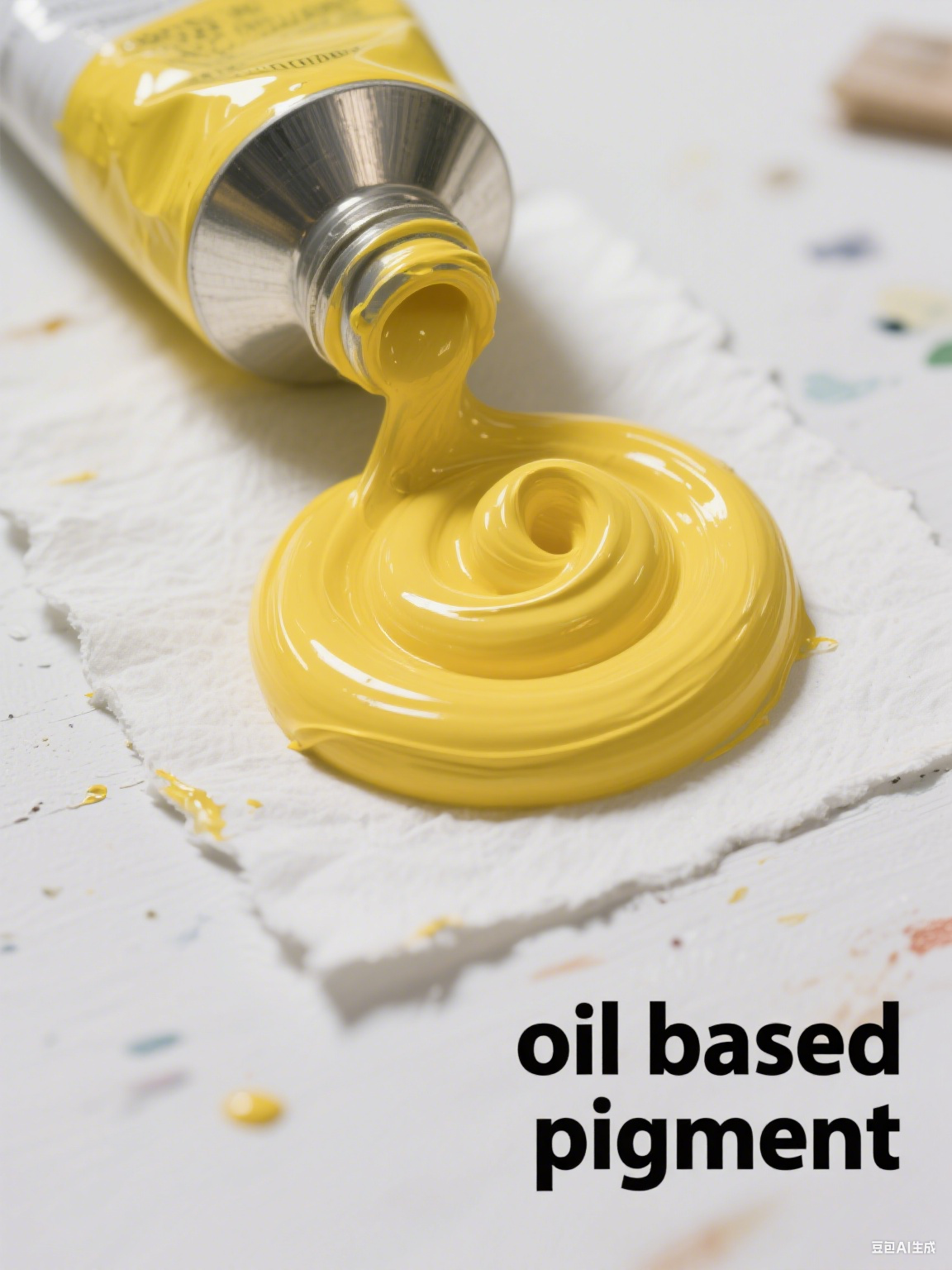
Professional painting projects demand exceptional quality, durability, and color consistency that only the finest materials can deliver. Among the various colorant options available to painters, oil-based pigment stands out as the preferred choice for contractors, artists, and industrial applications worldwide. This superior pigment technology offers unmatched performance characteristics that have made it the cornerstone of professional painting for decades. Understanding why oil-based pigment excels in professional environments requires examining its unique properties, application benefits, and long-term performance advantages over alternative pigment systems.
Chemical Composition and Structure of Oil-Based Pigments
Molecular Foundation of Oil-Based Systems
The molecular structure of oil-based pigment creates a robust framework that ensures superior performance in demanding applications. These pigments consist of finely ground inorganic or organic particles suspended in oil-based binders, typically derived from linseed, soybean, or synthetic alkyd resins. The oil molecules form long polymer chains that cross-link during the curing process, creating a durable matrix that encapsulates and protects the pigment particles. This molecular arrangement provides exceptional adhesion to substrates while maintaining flexibility to accommodate thermal expansion and contraction cycles.
Professional painters appreciate how the oil-based pigment system allows for extended working times compared to water-based alternatives. The slower evaporation rate of oil solvents provides painters with greater control over application techniques, enabling smooth brush marks, seamless blending, and superior leveling properties. This extended open time proves particularly valuable in large-scale commercial projects where maintaining wet edges across extensive surfaces becomes critical for achieving uniform appearance and professional results.
Pigment Particle Dispersion Technology
Advanced manufacturing processes ensure optimal pigment particle dispersion within oil-based systems, contributing significantly to their superior performance characteristics. Modern production facilities utilize high-shear mixing equipment and specialized grinding techniques to achieve nano-scale particle distribution, maximizing color strength and opacity while minimizing settling tendencies. This precise particle control results in consistent color reproduction across batches, enabling painters to maintain color integrity throughout extended projects.
The compatibility between oil-based vehicles and various pigment types allows formulators to incorporate both traditional inorganic pigments and modern synthetic colorants. Iron oxide pigments, titanium dioxide, and chromium oxide provide excellent lightfastness and chemical resistance, while organic pigments contribute vibrant colors and tinting strength. This versatility enables paint manufacturers to develop comprehensive color systems that meet diverse project requirements while maintaining the performance advantages inherent in oil-based pigment technology.
Performance Advantages in Professional Applications
Durability and Weather Resistance
Professional painting contractors consistently choose oil-based pigment systems for their exceptional durability and weather resistance properties. The cross-linked polymer matrix formed during curing creates a protective barrier that shields underlying surfaces from moisture penetration, UV radiation, and thermal cycling. This robust protection extends the service life of painted surfaces significantly, reducing maintenance costs and preserving aesthetic appearance over extended periods. Field studies demonstrate that properly applied oil-based pigment coatings can maintain their protective properties for decades under severe environmental conditions.
The superior adhesion characteristics of oil-based pigment systems contribute substantially to their longevity in exterior applications. The oil-based binder penetrates deeply into porous substrates, creating mechanical bonds that resist delamination even under extreme temperature fluctuations. This deep penetration also helps seal substrate surfaces, preventing moisture migration that could lead to coating failure or substrate degradation. Professional painters often specify oil-based pigment systems for high-exposure applications such as marine environments, industrial facilities, and architectural elements subject to harsh weather conditions.
Color Retention and Fade Resistance
The exceptional color retention properties of oil-based pigment systems make them indispensable for professional applications where long-term aesthetic quality remains paramount. The oil-based matrix provides superior protection for pigment particles against photochemical degradation, maintaining color vibrancy and preventing the chalking or fading commonly associated with lower-quality coating systems. This protection proves especially important for architectural applications where color consistency across large surfaces must be maintained over extended periods.
Professional color matching becomes significantly more reliable with oil-based pigment systems due to their predictable aging characteristics and stable color development. Unlike water-based alternatives that may experience color shifts during drying or curing, oil-based pigment maintains consistent appearance from wet application through final cure. This predictability allows professional painters to achieve precise color matches and maintain color continuity across project phases, even when work spans multiple days or weather conditions.
Application Techniques and Professional Best Practices
Surface Preparation and Primer Selection
Successful application of oil-based pigment systems begins with proper surface preparation and appropriate primer selection. Professional painters understand that the superior performance potential of oil-based pigment can only be realized when applied over properly prepared substrates. This preparation typically involves thorough cleaning to remove contaminants, abrasion to create suitable surface profile, and application of compatible primers designed to optimize adhesion and performance of the topcoat system.
The selection of appropriate primers becomes critical when working with oil-based pigment systems, as primer compatibility directly affects coating performance and longevity. Alkyd-based primers provide excellent adhesion promotion and corrosion resistance for metal substrates, while oil-modified primers offer superior penetration and sealing properties for wood surfaces. Professional painters often utilize specialized primers formulated specifically for use with oil-based pigment topcoats, ensuring optimal interlayer adhesion and system performance.
Application Methods and Environmental Considerations
Professional application of oil-based pigment requires careful attention to environmental conditions and application techniques to achieve optimal results. Temperature and humidity levels significantly influence curing characteristics, with ideal conditions typically ranging between 50-80°F with relative humidity below 85%. Professional painters monitor these conditions carefully and adjust application schedules accordingly, recognizing that proper curing is essential for developing the full performance potential of oil-based pigment systems.
The choice of application method depends on project requirements, substrate characteristics, and desired finish quality. Brush application provides maximum control and penetration for detailed work and challenging substrates, while roller application offers efficiency for large, uniform surfaces. Spray application enables rapid coverage of extensive areas while maintaining consistent film thickness, though proper equipment setup and environmental control become critical for achieving professional results with oil-based pigment systems.
Industrial and Commercial Applications
Manufacturing and Processing Facilities
Industrial facilities rely heavily on oil-based pigment systems for protecting critical infrastructure and maintaining operational efficiency. The chemical resistance properties of properly formulated oil-based pigment coatings provide essential protection against acids, alkalis, solvents, and other aggressive chemicals commonly encountered in manufacturing environments. This chemical resistance helps prevent substrate corrosion while maintaining the integrity of painted surfaces under continuous exposure to harsh operating conditions.
The durability advantages of oil-based pigment systems prove especially valuable in high-traffic industrial areas where mechanical wear and impact resistance become primary concerns. The tough, flexible film formed by cured oil-based pigment resists chipping, scratching, and abrasion while maintaining adhesion to substrates subject to vibration and thermal cycling. This mechanical durability reduces maintenance requirements and extends recoating intervals, contributing to lower lifecycle costs for industrial facility owners.
Marine and Offshore Applications
The marine industry extensively utilizes oil-based pigment systems for their exceptional resistance to saltwater exposure and marine atmospheric conditions. The hydrophobic nature of oil-based binders provides superior moisture barrier properties essential for protecting metal structures in marine environments. Professional marine painters specify oil-based pigment systems for critical applications such as offshore platforms, marine vessels, and coastal infrastructure where coating failure could result in catastrophic corrosion damage.
The flexibility and impact resistance of oil-based pigment coatings prove particularly important in marine applications where structures experience constant motion and mechanical stress. The polymer matrix maintains its integrity under dynamic loading conditions while resisting cracking and delamination that could allow moisture ingress. This performance reliability makes oil-based pigment systems the preferred choice for professional marine maintenance programs where extended service intervals and reliable protection are essential.
Comparison with Alternative Pigment Systems
Performance Differences from Water-Based Alternatives
Professional painters often evaluate oil-based pigment systems against water-based alternatives when selecting appropriate coating technologies for specific projects. While water-based systems offer advantages such as lower VOC emissions and easier cleanup, oil-based pigment systems typically provide superior adhesion, durability, and weather resistance for demanding applications. The penetrating characteristics of oil-based vehicles enable better surface wetting and substrate bonding compared to water-based alternatives that may not penetrate porous surfaces as effectively.
The curing mechanisms of oil-based pigment systems create fundamentally different film properties compared to water-based coatings. Oil-based systems cure through oxidative polymerization, forming cross-linked networks that provide exceptional durability and chemical resistance. Water-based systems rely primarily on solvent evaporation and coalescence, resulting in films that may exhibit greater sensitivity to rehydration and reduced chemical resistance under severe service conditions.
Economic Considerations and Lifecycle Value
The economic evaluation of oil-based pigment systems requires consideration of both initial costs and long-term performance benefits. While oil-based pigment coatings may carry higher initial material costs compared to some alternatives, their extended service life and reduced maintenance requirements often result in lower total cost of ownership. Professional painting contractors frequently recommend oil-based pigment systems for critical applications where recoating accessibility or downtime costs make durability the primary selection criterion.
The superior color retention and gloss retention properties of oil-based pigment systems contribute to their economic value by extending the intervals between aesthetic maintenance painting. Buildings and structures coated with high-quality oil-based pigment systems maintain their appearance significantly longer than those finished with lower-performance alternatives, reducing the frequency of repainting required to maintain professional appearance standards.
Environmental and Regulatory Considerations
VOC Management and Compliance
Professional use of oil-based pigment systems requires careful attention to volatile organic compound regulations and environmental compliance requirements. Modern oil-based pigment formulations increasingly utilize low-VOC solvents and high-solids formulations to minimize environmental impact while maintaining performance characteristics. Professional painters must stay current with local and federal regulations governing VOC emissions and implement appropriate application practices to ensure compliance.
The development of advanced oil-based pigment systems has led to significant improvements in environmental compatibility without compromising performance. Manufacturers have introduced bio-based solvents, renewable raw materials, and advanced resin technologies that reduce environmental impact while preserving the durability and application advantages that make oil-based pigment systems preferred for professional applications.
Waste Management and Disposal Practices
Professional painting contractors utilizing oil-based pigment systems must implement proper waste management and disposal practices to ensure environmental compliance and workplace safety. This includes proper storage and disposal of unused materials, contaminated equipment, and cleaning solvents. Many professional painting operations have adopted closed-loop solvent recovery systems and recycling programs to minimize waste generation and reduce environmental impact.
The longevity advantages of oil-based pigment systems contribute to environmental sustainability by reducing the frequency of recoating operations and associated material consumption. Extended service intervals mean fewer coating applications over the lifecycle of protected structures, reducing total material usage, waste generation, and environmental impact associated with maintenance painting operations.
Future Developments and Technology Trends
Advanced Pigment Technologies
Ongoing research and development in oil-based pigment technology focuses on enhancing performance characteristics while addressing environmental concerns. Nanotechnology applications are enabling the development of pigment particles with enhanced properties such as improved UV resistance, antimicrobial activity, and self-cleaning capabilities. These advanced pigments maintain compatibility with oil-based vehicles while providing additional functionality that expands the application potential for professional painting projects.
Smart pigment technologies are emerging that can respond to environmental conditions or provide diagnostic capabilities for coated structures. These developments include thermochromic pigments that change color with temperature, photocatalytic pigments that break down pollutants, and corrosion-indicating pigments that provide early warning of substrate degradation. Professional painters are beginning to incorporate these advanced technologies into specialized applications where additional functionality justifies the premium costs.
Sustainable Manufacturing and Raw Materials
The oil-based pigment industry is increasingly focusing on sustainable manufacturing practices and renewable raw material sources to address environmental concerns while maintaining performance standards. Bio-based oils derived from renewable agricultural sources are being developed as alternatives to traditional petroleum-based solvents, offering reduced carbon footprint without compromising application or performance characteristics.
Recycling and circular economy principles are being integrated into oil-based pigment manufacturing through the development of recyclable packaging, waste stream recovery systems, and closed-loop production processes. These initiatives help professional painting contractors meet sustainability goals while continuing to benefit from the superior performance characteristics that make oil-based pigment systems indispensable for demanding applications.
FAQ
What makes oil-based pigment superior to water-based alternatives for professional projects
Oil-based pigment systems offer superior adhesion, durability, and weather resistance compared to water-based alternatives. The oil-based binder penetrates deeply into substrates, creating stronger mechanical bonds and providing better protection against moisture, chemicals, and UV radiation. These characteristics result in longer service life and reduced maintenance requirements, making oil-based pigment the preferred choice for professional applications where long-term performance is critical.
How do environmental conditions affect oil-based pigment application and curing
Environmental conditions significantly influence oil-based pigment application success and final performance. Optimal conditions include temperatures between 50-80°F with relative humidity below 85%. High humidity can slow curing and cause surface defects, while extreme temperatures can affect flow properties and film formation. Professional painters monitor conditions carefully and may use environmental controls or adjust application schedules to ensure proper curing and optimal performance.
What surface preparation is required before applying oil-based pigment coatings
Proper surface preparation is essential for oil-based pigment success and includes thorough cleaning to remove contaminants, abrasion to create appropriate surface profile, and application of compatible primers. The specific preparation requirements depend on substrate type and condition, but generally involve removing loose material, addressing corrosion or decay, and ensuring clean, dry surfaces. Professional painters often utilize specialized primers designed specifically for oil-based pigment topcoats to optimize adhesion and system performance.
How long do oil-based pigment coatings typically last in professional applications
Oil-based pigment coatings typically provide 15-25 years of service life in professional applications when properly applied and maintained. The actual lifespan depends on factors including substrate type, environmental exposure, application quality, and maintenance practices. In severe environments such as marine or industrial settings, properly applied oil-based pigment systems may still provide 10-15 years of reliable protection, significantly exceeding the performance of lower-quality alternatives.
Table of Contents
- Chemical Composition and Structure of Oil-Based Pigments
- Performance Advantages in Professional Applications
- Application Techniques and Professional Best Practices
- Industrial and Commercial Applications
- Comparison with Alternative Pigment Systems
- Environmental and Regulatory Considerations
- Future Developments and Technology Trends
-
FAQ
- What makes oil-based pigment superior to water-based alternatives for professional projects
- How do environmental conditions affect oil-based pigment application and curing
- What surface preparation is required before applying oil-based pigment coatings
- How long do oil-based pigment coatings typically last in professional applications