 EN
EN

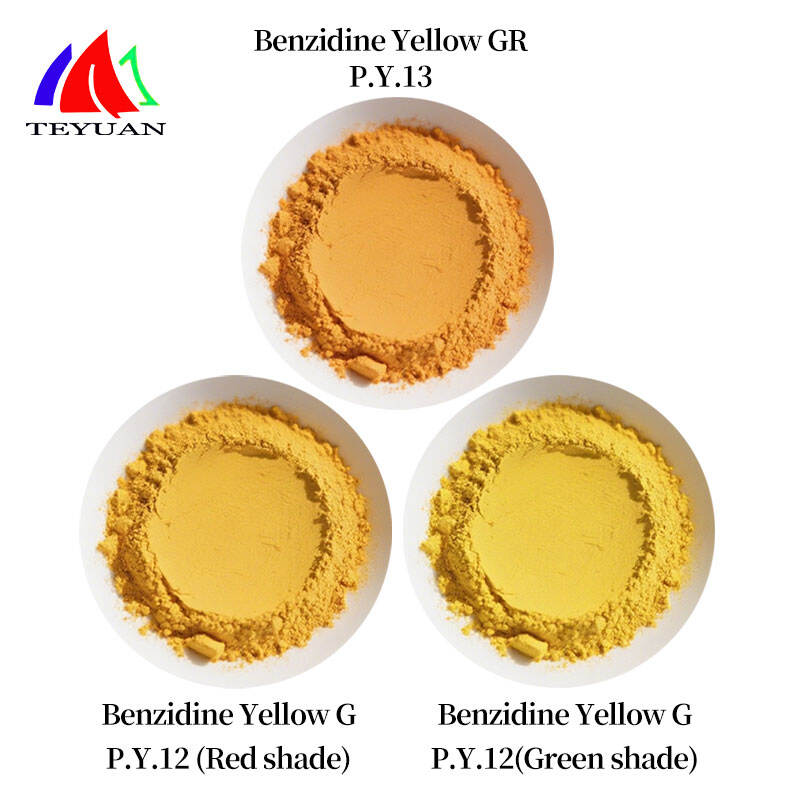
The modern color industry has witnessed a revolutionary shift towards sustainable and high-performance coloring solutions, with organic pigment leading this transformation. As manufacturers across various sectors seek environmentally responsible alternatives to traditional synthetic dyes, these advanced colorants have emerged as the cornerstone of contemporary industrial applications. From vibrant textile production to sophisticated automotive coatings, organic pigments deliver exceptional color stability while meeting stringent environmental regulations that define today's manufacturing landscape.
Understanding the Science Behind Organic Pigments
Chemical Composition and Structure
The foundation of organic pigment effectiveness lies in its complex molecular architecture, which consists of carbon-based compounds that create vivid, stable colors through selective light absorption. These sophisticated molecules feature conjugated systems where alternating single and double bonds enable precise wavelength filtering, resulting in the brilliant hues that characterize modern industrial applications. Unlike their inorganic counterparts, organic pigments derive their coloring properties from intricate aromatic ring structures that provide exceptional tinting strength and color purity.
The molecular design of organic pigments incorporates specific functional groups that enhance performance characteristics such as lightfastness, chemical resistance, and thermal stability. Advanced synthetic processes allow manufacturers to fine-tune these molecular structures, creating customized pigments that meet precise industry specifications. This level of control over chemical composition enables the production of organic pigments with predictable performance profiles, making them invaluable for applications requiring consistent color reproduction and long-term durability.
Manufacturing Process Innovation
Contemporary organic pigment production employs sophisticated synthesis techniques that ensure consistent quality and environmental compliance throughout the manufacturing process. State-of-the-art facilities utilize controlled precipitation methods, where precise temperature and pH management create uniform particle sizes that optimize color development and application properties. These advanced manufacturing processes incorporate real-time monitoring systems that maintain strict quality parameters, ensuring each batch meets exacting industry standards.
Quality control measures in organic pigment manufacturing extend beyond basic color matching to encompass comprehensive testing of physical and chemical properties. Modern production facilities implement automated systems that monitor particle size distribution, surface area, and crystalline structure, all critical factors that influence final product performance. This rigorous approach to manufacturing ensures that organic pigments deliver consistent results across diverse industrial applications, from high-speed printing operations to precision coating processes.
Industrial Applications Driving Market Growth
Textile and Fashion Industry Integration
The textile industry has embraced organic pigment technology as a solution to growing consumer demand for sustainable fashion and environmentally responsible manufacturing practices. These advanced colorants provide exceptional wash fastness and UV resistance, ensuring that garments maintain their vibrant appearance throughout extended use cycles. Fashion manufacturers appreciate the consistent color reproduction that organic pigments offer, enabling precise color matching across different fabric types and production runs.
Sustainable textile production increasingly relies on organic pigment formulations that minimize environmental impact while delivering superior performance characteristics. Leading textile manufacturers have adopted these advanced colorants to meet stringent ecological certifications and consumer expectations for environmentally conscious products. The ability of organic pigments to maintain color integrity under various processing conditions makes them particularly valuable for technical textiles and performance apparel applications.
Printing and Packaging Solutions
Commercial printing operations have transformed their color management strategies through the integration of organic pigment-based inks that deliver exceptional print quality and operational efficiency. These advanced formulations provide superior color gamut coverage, enabling printers to reproduce complex color schemes with remarkable accuracy and consistency. The enhanced flow properties of organic pigment inks reduce maintenance requirements and improve press productivity, making them increasingly popular for high-volume commercial applications.
Packaging manufacturers utilize organic pigments to create eye-catching designs that maintain their visual impact throughout the product lifecycle, from initial printing through consumer handling and storage. The chemical stability of these pigments ensures that package graphics remain vibrant and legible, supporting brand recognition and product marketing objectives. Advanced organic pigment formulations also offer improved resistance to common packaging stresses such as folding, heat sealing, and exposure to various environmental conditions.
Environmental Benefits and Sustainability Impact
Reduced Environmental Footprint
The environmental advantages of organic pigments extend far beyond their biodegradable nature, encompassing significant reductions in manufacturing waste and energy consumption compared to traditional coloring methods. Production processes for organic pigments typically require lower processing temperatures and generate fewer toxic byproducts, contributing to cleaner manufacturing operations and reduced industrial emissions. This environmental efficiency aligns with corporate sustainability initiatives and regulatory requirements that increasingly influence industrial purchasing decisions.
Lifecycle assessment studies demonstrate that organic pigment applications significantly reduce the overall environmental impact of colored products across multiple industry sectors. These comprehensive evaluations consider factors such as raw material sourcing, manufacturing energy requirements, product performance, and end-of-life disposal, consistently showing favorable outcomes for organic pigment-based systems. The ability to achieve brilliant colors with lower material consumption further enhances the environmental profile of these advanced colorants.
Regulatory Compliance and Safety Standards
Modern organic pigments meet stringent international safety standards and regulatory requirements that govern colorant use in consumer products and industrial applications. Comprehensive toxicological testing ensures that these materials pose minimal risk to human health and environmental systems, supporting their widespread adoption across regulated industries. The transparent safety profiles of organic pigments facilitate regulatory approvals and enable manufacturers to access global markets with confidence.
Continuous monitoring of regulatory developments ensures that organic pigment formulations remain compliant with evolving safety standards and environmental regulations worldwide. Manufacturers invest in ongoing research and development to anticipate regulatory changes and adapt their products accordingly, maintaining market access and customer confidence. This proactive approach to regulatory compliance demonstrates the industry's commitment to responsible manufacturing and sustainable product development.
Performance Advantages in Modern Applications
Superior Color Properties
The exceptional color properties of organic pigments stem from their unique molecular structures that enable precise control over light absorption and reflection characteristics. These advanced materials deliver outstanding color strength, allowing manufacturers to achieve desired hues with minimal pigment loading, reducing material costs and improving product performance. The high tinting strength of organic pigments makes them particularly valuable for applications requiring intense colors or subtle tonal variations.
Color consistency represents another critical advantage of organic pigments, as their uniform particle size distribution and controlled crystalline structure ensure reproducible color development across different processing conditions. This reliability enables manufacturers to maintain strict color tolerances and meet customer specifications consistently, reducing waste and improving production efficiency. The stable color properties of organic pigments also support automated color management systems that streamline manufacturing operations.
Enhanced Durability and Stability
Advanced organic pigments exhibit remarkable stability under challenging environmental conditions, including exposure to UV radiation, temperature extremes, and chemical exposure that would degrade conventional colorants. This exceptional durability extends product lifespans and maintains aesthetic appeal throughout extended service periods, providing significant value to end users across various applications. The inherent stability of organic pigments reduces the need for additional protective treatments and simplifies formulation requirements.
Thermal stability represents a particularly important performance characteristic for organic pigments used in high-temperature processing applications such as plastic molding and textile manufacturing. Modern formulations maintain their color integrity and chemical structure even under extreme processing conditions, ensuring consistent product quality and reducing production variations. This thermal resistance enables the use of organic pigments in demanding applications where conventional colorants would fail or degrade.
Market Trends and Future Developments
Emerging Technology Integration
The integration of nanotechnology and advanced materials science continues to drive innovation in organic pigment development, creating opportunities for enhanced performance characteristics and novel applications. Researchers are exploring nanoencapsulation techniques that improve pigment dispersion and stability while enabling controlled release mechanisms for specialized applications. These technological advances promise to expand the functional capabilities of organic pigments beyond traditional coloring applications.
Smart pigment technologies represent an emerging frontier where organic colorants incorporate responsive properties that react to environmental stimuli such as temperature, pH, or light exposure. These intelligent materials enable the development of color-changing products and dynamic visual effects that create new possibilities for product differentiation and functional integration. The convergence of organic pigment chemistry with advanced materials science continues to generate innovative solutions for diverse industrial challenges.
Global Market Expansion
International market growth for organic pigments reflects increasing global awareness of environmental sustainability and performance requirements across developing economies. Emerging markets demonstrate strong demand for high-quality colorants that support local manufacturing growth while meeting international standards for product quality and environmental compliance. This global expansion creates opportunities for technology transfer and collaborative development of region-specific solutions.
Strategic partnerships between organic pigment manufacturers and end-user industries facilitate market development and accelerate the adoption of advanced coloring technologies. These collaborative relationships enable customized product development that addresses specific application requirements while leveraging the expertise of both pigment specialists and industry practitioners. The resulting innovation ecosystem supports continued market growth and technological advancement across multiple sectors.
FAQ
What makes organic pigments more environmentally friendly than synthetic alternatives
Organic pigments offer superior environmental benefits through their biodegradable composition and reduced manufacturing impact compared to synthetic colorants. Their carbon-based molecular structure allows for natural decomposition processes, while production methods typically require lower energy consumption and generate fewer toxic waste products. Additionally, organic pigments often require smaller quantities to achieve desired color effects, further reducing their overall environmental footprint throughout the product lifecycle.
How do organic pigments perform in high-temperature industrial applications
Modern organic pigments demonstrate excellent thermal stability through advanced molecular engineering that maintains color integrity under extreme processing conditions. These materials can withstand temperatures exceeding 200°C without significant degradation, making them suitable for applications such as plastic injection molding, powder coating, and high-temperature textile processing. The thermal resistance of organic pigments ensures consistent color reproduction and eliminates the need for costly reprocessing due to heat-related color shifts.
Are organic pigments suitable for food-contact applications and cosmetic products
Many organic pigments receive approval for food-contact and cosmetic applications through rigorous safety testing that demonstrates their non-toxic nature and chemical stability. These materials undergo comprehensive evaluation by regulatory agencies to ensure they meet strict safety standards for consumer products. Specialized organic pigment formulations designed for these applications provide excellent color performance while maintaining full compliance with international safety regulations and consumer protection requirements.
What factors should manufacturers consider when selecting organic pigments for specific applications
Manufacturers should evaluate multiple performance criteria including color strength, lightfastness, chemical resistance, and processing compatibility when selecting organic pigments for specific applications. Environmental conditions such as UV exposure, temperature ranges, and chemical contact must align with pigment performance characteristics to ensure long-term color stability. Additionally, regulatory requirements, cost considerations, and supply chain reliability influence the selection process, requiring careful evaluation of all factors to optimize product performance and commercial success.
Table of Contents
- Understanding the Science Behind Organic Pigments
- Industrial Applications Driving Market Growth
- Environmental Benefits and Sustainability Impact
- Performance Advantages in Modern Applications
- Market Trends and Future Developments
-
FAQ
- What makes organic pigments more environmentally friendly than synthetic alternatives
- How do organic pigments perform in high-temperature industrial applications
- Are organic pigments suitable for food-contact applications and cosmetic products
- What factors should manufacturers consider when selecting organic pigments for specific applications