 EN
EN

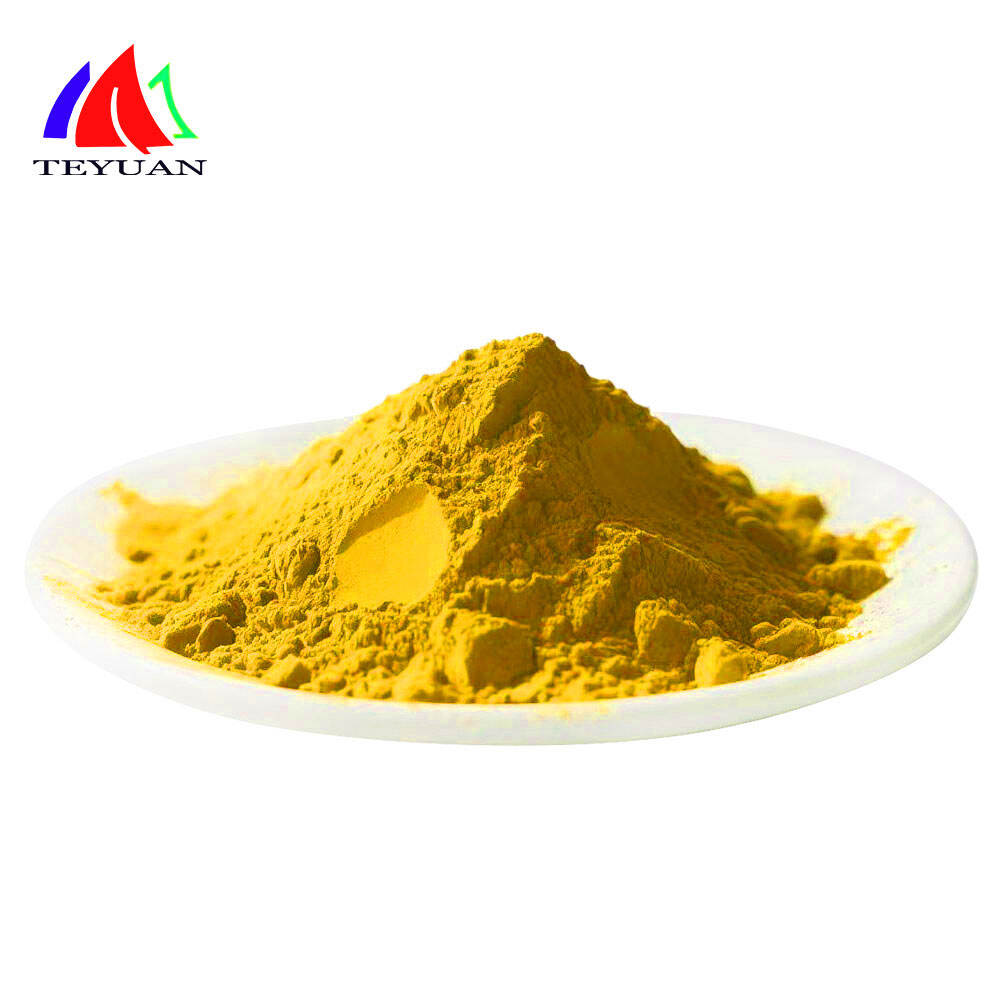
Artists worldwide are increasingly seeking sustainable alternatives to traditional art materials, and organic pigments have emerged as a revolutionary solution that combines environmental consciousness with exceptional artistic quality. These naturally-derived colorants offer superior performance while significantly reducing the ecological footprint of artistic creation. Unlike synthetic alternatives that rely on heavy metals and petroleum-based compounds, organic pigments provide vibrant colors through carbon-based molecular structures that are inherently more compatible with natural ecosystems.
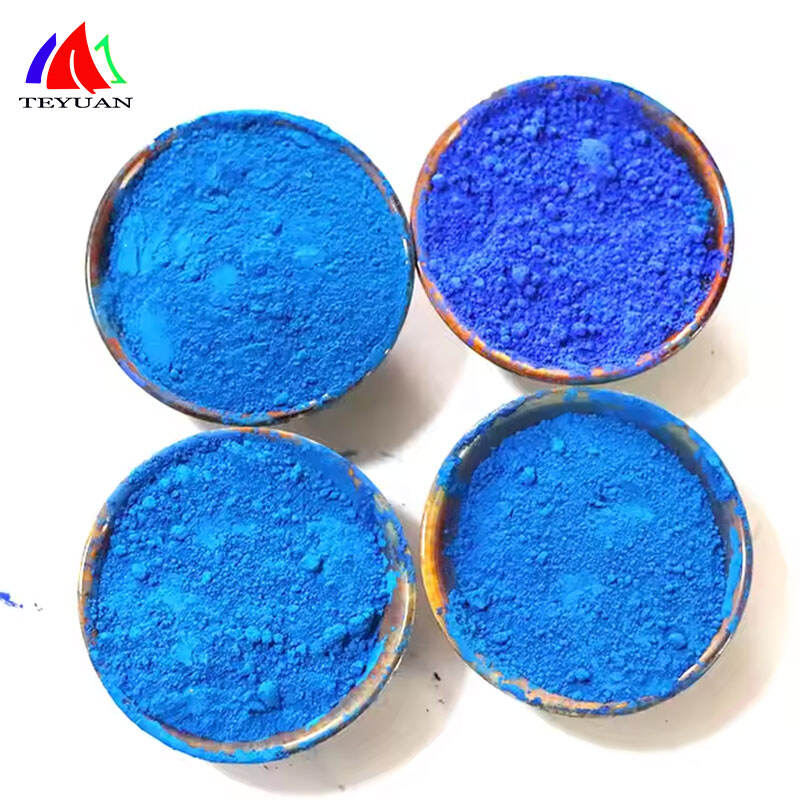
The artistic community has witnessed a remarkable transformation in recent years as environmental awareness has become a driving force in material selection. Professional artists, art students, and hobbyists alike are discovering that choosing eco-friendly materials does not require compromising on quality or creative expression. The development of advanced organic pigments has created opportunities for artists to maintain their high standards while contributing to environmental sustainability.
Understanding the Environmental Impact of Traditional Art Materials
Heavy Metal Contamination in Conventional Pigments
Traditional art pigments have historically contained significant amounts of heavy metals such as cadmium, lead, chromium, and mercury. These toxic substances pose serious environmental risks throughout their entire lifecycle, from mining and processing to disposal. When artists use conventional pigments, they inadvertently contribute to environmental contamination that can persist for decades in soil and water systems.
The manufacturing process of synthetic pigments often involves energy-intensive procedures that generate substantial carbon emissions and industrial waste. Mining operations for heavy metals cause habitat destruction, soil erosion, and groundwater contamination. Additionally, the chemical processing required to create synthetic colorants produces toxic byproducts that require specialized disposal methods to prevent environmental damage.
Waste Generation and Disposal Challenges
Art studios and educational institutions generate considerable amounts of pigment waste through palette cleaning, brush washing, and material disposal. Conventional pigments create hazardous waste streams that require careful handling and specialized disposal facilities. This creates additional costs and logistical challenges for artists and institutions while contributing to the growing problem of industrial waste management.
Water contamination represents another significant concern when using traditional pigments. Paint water containing heavy metals and synthetic compounds cannot be safely discharged into standard drainage systems without proper treatment. Many artists remain unaware of these environmental implications, inadvertently contributing to water pollution through routine studio practices.
The Science Behind Organic Pigment Sustainability
Carbon-Based Molecular Structures
Organic pigments derive their environmental advantages from their fundamental molecular composition. These compounds consist primarily of carbon, hydrogen, nitrogen, and oxygen atoms arranged in complex molecular structures that create vibrant colors through selective light absorption and reflection. This carbon-based chemistry eliminates the need for heavy metals while maintaining excellent color properties.
The molecular stability of organic pigments provides superior lightfastness and color retention compared to many traditional alternatives. Advanced manufacturing techniques have produced organic colorants that resist fading, chemical degradation, and environmental stress while maintaining their eco-friendly characteristics throughout extended use periods.
Biodegradation and Environmental Compatibility
One of the most significant advantages of organic pigments lies in their potential for biodegradation under appropriate environmental conditions. Unlike heavy metal-based pigments that persist indefinitely in natural systems, organic compounds can eventually break down into harmless components that integrate naturally with existing ecological processes.
The manufacturing process for organic pigments typically requires lower energy inputs and generates fewer toxic byproducts compared to synthetic alternatives. Many organic pigment production facilities can operate using renewable energy sources, further reducing their environmental impact. This sustainable manufacturing approach aligns with broader industrial trends toward cleaner production methods and circular economy principles.
Performance Characteristics of Eco-Friendly Pigments
Color Intensity and Vibrancy
Modern organic pigments deliver exceptional color intensity that rivals or exceeds traditional synthetic alternatives. Advanced molecular engineering has created organic compounds capable of producing brilliant blues, vivid reds, and intense yellows that maintain their vibrancy under various lighting conditions. Artists can achieve the same visual impact while using environmentally responsible materials.
The color gamut available through organic pigments continues to expand as research and development efforts focus on creating new molecular structures. Recent innovations have produced organic colorants that can replicate the appearance of traditional pigments while offering superior performance characteristics such as improved mixing properties and enhanced compatibility with various binding agents.
Lightfastness and Durability
Professional artists require pigments that maintain their color integrity over extended periods, and organic alternatives have demonstrated excellent lightfastness ratings in standardized testing. Many organic pigments achieve ASTM lightfastness ratings of I or II, indicating minimal color change after prolonged exposure to light sources.
The chemical stability of organic pigments contributes to their long-term durability in finished artworks. These materials resist chemical reactions that can cause color shifts or degradation over time. Additionally, organic pigments often exhibit superior compatibility with various mediums and supports, reducing the risk of adhesion problems or chemical incompatibilities that can compromise artwork longevity.
Health Benefits for Artists and Studio Environments
Reduced Toxicity Exposure
Artists who work with organic pigments experience significantly reduced exposure to toxic substances that can cause both acute and chronic health problems. Traditional pigments containing heavy metals pose serious health risks through inhalation, skin contact, and accidental ingestion. Organic alternatives eliminate these concerns while maintaining professional-quality results.
Studio environments benefit dramatically from the adoption of organic pigments, as these materials do not release toxic vapors or particulates that can accumulate in work spaces. This creates safer conditions for artists, students, and visitors while reducing the need for expensive ventilation systems and protective equipment.
Safe Disposal and Cleanup Procedures
The use of organic pigments simplifies studio cleanup and waste disposal procedures significantly. Paint water containing organic colorants can often be treated through standard filtration methods rather than requiring hazardous waste disposal protocols. This reduces costs and environmental liability while making art-making more accessible to individual artists and small studios.
Emergency cleanup procedures become much simpler when working with organic pigments, as spills do not create hazardous material situations requiring specialized containment and disposal methods. This safety advantage proves particularly valuable in educational settings where students may have limited experience handling art materials safely.
Economic Advantages of Sustainable Art Materials
Long-Term Cost Considerations
While organic pigments may initially appear more expensive than conventional alternatives, their superior performance characteristics often result in lower long-term costs. The excellent lightfastness and chemical stability of these materials mean that artworks retain their value and appearance longer, reducing the need for restoration or replacement.
Institutions and professional artists can realize significant cost savings through reduced waste disposal fees, lower insurance premiums, and decreased ventilation requirements when using organic pigments. These indirect cost benefits often offset any initial price differences while providing additional value through improved safety and environmental compliance.
Market Demand and Investment Opportunities
The growing market demand for sustainable art materials creates opportunities for artists and manufacturers who embrace organic pigment technology. Art collectors increasingly value works created with environmentally responsible materials, potentially increasing the market value of pieces created with organic colorants.
Investment in organic pigment technology represents a forward-thinking approach that positions artists and suppliers advantageously as environmental regulations become more stringent. Companies developing and manufacturing organic pigments often experience strong growth as awareness of environmental issues continues to expand throughout the art community.
Applications Across Different Art Mediums
Oil and Acrylic Painting Applications
Organic pigments demonstrate exceptional performance in both oil and acrylic painting applications, offering artists the flexibility to work across different mediums without sacrificing color quality. These pigments mix readily with various binding agents and maintain their color integrity throughout the painting process.
The chemical compatibility of organic pigments with modern acrylic formulations has led to the development of paint lines specifically designed for environmentally conscious artists. These products offer professional-grade performance while meeting strict environmental standards for VOC emissions and toxicity levels.
Printmaking and Digital Art Integration
The printmaking industry has embraced organic pigments for their excellent printing characteristics and environmental benefits. These materials work effectively in various printing processes while eliminating concerns about heavy metal contamination in printed materials that may be handled frequently or displayed in sensitive environments.
Digital art applications benefit from organic pigment technology through the development of eco-friendly printer inks and display materials. As digital art becomes increasingly integrated with traditional art practices, the availability of sustainable colorants ensures continuity across different creative mediums.
FAQ
Are organic pigments as permanent as traditional pigments
Yes, high-quality organic pigments demonstrate excellent permanence and lightfastness ratings that match or exceed many traditional pigments. Modern organic colorants undergo rigorous testing to ensure they meet professional standards for archival quality and long-term color stability.
How do organic pigments compare in cost to conventional options
While organic pigments may have higher upfront costs, their superior performance characteristics and reduced disposal expenses often result in comparable or lower total costs over time. Additionally, the health and environmental benefits provide value that extends beyond simple price comparisons.
Can organic pigments be mixed with traditional art materials
Organic pigments generally mix well with most traditional art materials and mediums. However, artists should test compatibility when combining different pigment types to ensure optimal performance and avoid any unexpected chemical interactions that could affect color or stability.
What safety precautions are needed when using organic pigments
Organic pigments require minimal safety precautions compared to traditional alternatives. Standard studio practices such as proper ventilation, hand washing, and avoiding ingestion remain important, but the reduced toxicity of organic materials eliminates many concerns associated with heavy metal exposure.
Table of Contents
- Understanding the Environmental Impact of Traditional Art Materials
- The Science Behind Organic Pigment Sustainability
- Performance Characteristics of Eco-Friendly Pigments
- Health Benefits for Artists and Studio Environments
- Economic Advantages of Sustainable Art Materials
- Applications Across Different Art Mediums
- FAQ