 EN
EN

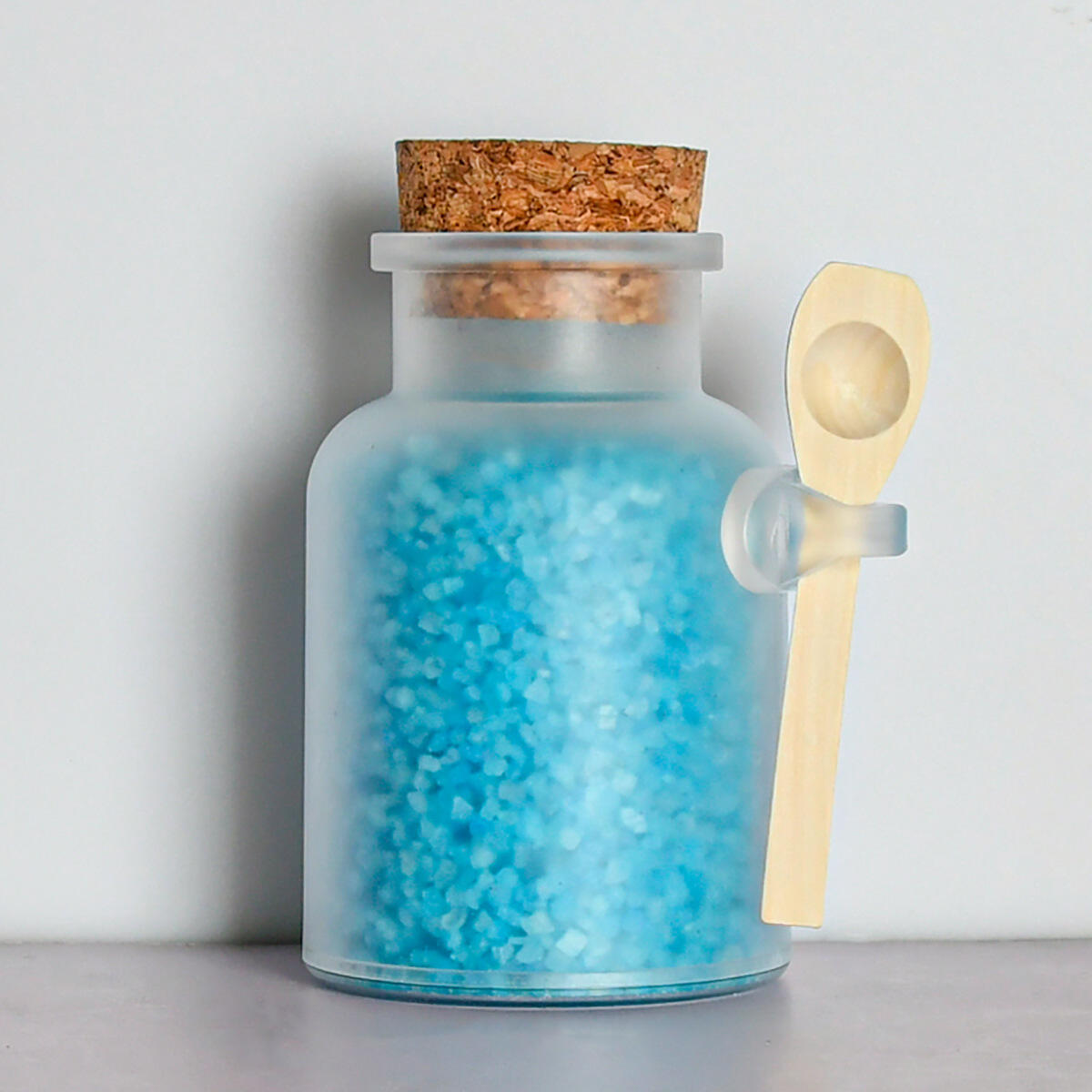
Himalayan bath salt has emerged as a luxurious wellness essential that transforms ordinary bathing routines into therapeutic spa-like experiences. This ancient mineral treasure, harvested from the pristine depths of the Himalayan mountains, offers remarkable benefits for both skin health and overall well-being. The unique composition of Himalayan bath salt contains over 80 trace minerals that work synergistically to nourish, detoxify, and rejuvenate your body from the outside in.
Understanding the Mineral Composition of Himalayan Bath Salt
Essential Trace Minerals and Their Functions
The remarkable therapeutic properties of Himalayan bath salt stem from its extraordinary mineral profile, which includes magnesium, potassium, calcium, and iron among many others. These naturally occurring minerals penetrate the skin during bathing, delivering essential nutrients that support cellular regeneration and optimal skin function. Magnesium, for instance, plays a crucial role in reducing inflammation and promoting muscle relaxation, while potassium helps maintain proper hydration levels in skin cells.
Unlike regular table salt or synthetic bath additives, Himalayan bath salt retains its natural crystalline structure, which allows for better mineral absorption through the skin. The presence of sulfur compounds in this premium salt variety helps purify pores and combat acne-causing bacteria, making it an excellent choice for individuals with problematic skin conditions. Iron content contributes to improved circulation, while calcium strengthens the skin barrier function.
The Science Behind Mineral Absorption
When dissolved in warm bathwater, Himalayan bath salt creates an osmotic environment that facilitates transdermal mineral absorption. The skin, being the largest organ of the human body, readily absorbs these beneficial minerals through its pores and hair follicles. Scientific studies have demonstrated that mineral-rich baths can significantly increase blood levels of magnesium and other essential nutrients.
The warm water temperature opens pores and increases blood circulation, creating optimal conditions for mineral uptake. This natural process occurs without the need for synthetic chemicals or artificial additives, making Himalayan bath salt a pure and safe option for regular use. The bioavailability of minerals in this form often exceeds that of oral supplements, as the digestive system doesn't filter out nutrients during absorption.
Transformative Skin Benefits of Regular Bath Salt Usage
Deep Cleansing and Detoxification Properties
Regular use of Himalayan bath salt provides profound cleansing benefits that extend far beyond surface-level cleaning. The natural exfoliating action of dissolved salt crystals helps remove dead skin cells, unclog pores, and eliminate toxins that accumulate in the skin throughout daily exposure to environmental pollutants. This gentle yet effective detoxification process reveals smoother, more radiant skin with improved texture and tone.
The antimicrobial properties inherent in Himalayan bath salt help eliminate harmful bacteria and fungi that can cause skin infections or exacerbate existing conditions like eczema or dermatitis. The salt's natural pH-balancing effects restore the skin's protective acid mantle, creating an inhospitable environment for pathogenic microorganisms while supporting beneficial skin flora.
Hydration and Moisture Retention Enhancement
Contrary to common misconceptions about salt being drying, properly used Himalayan bath salt actually enhances skin hydration through several mechanisms. The mineral content helps strengthen the skin's natural barrier function, reducing transepidermal water loss and improving the skin's ability to retain moisture. Sodium and chloride ions work together to maintain optimal cellular hydration levels.
The osmotic effects of Himalayan bath salt baths help draw excess fluid from swollen tissues while simultaneously delivering hydrating minerals to dehydrated skin cells. This dual-action approach results in balanced, well-hydrated skin that feels soft and supple. Regular users often report significant improvements in skin texture and a reduction in dry, flaky patches within just a few weeks of consistent use.
Comprehensive Wellness and Therapeutic Applications
Stress Reduction and Mental Health Benefits
The therapeutic benefits of Himalayan bath salt extend well beyond skin health, encompassing significant mental and emotional wellness advantages. The ritual of taking a warm salt bath triggers the release of endorphins and promotes the production of serotonin, neurotransmitters associated with feelings of happiness and relaxation. The magnesium content in the salt directly supports nervous system function and helps regulate stress hormones.
Many wellness practitioners recommend Himalayan bath salt baths as part of evening routines to promote better sleep quality and reduce anxiety levels. The warm water combined with mineral absorption creates a meditative environment that allows the mind to unwind from daily stressors. This natural approach to stress management offers a chemical-free alternative to synthetic relaxation aids.
Pain Relief and Muscle Recovery
Athletes and individuals suffering from chronic pain conditions frequently turn to Himalayan bath salt for its remarkable analgesic properties. The high magnesium content helps relax muscle fibers and reduce inflammation, providing relief from soreness, tension, and stiffness. The improved circulation resulting from warm salt baths accelerates the removal of metabolic waste products that contribute to muscle fatigue.
The anti-inflammatory compounds naturally present in Himalayan bath salt help reduce swelling in joints and soft tissues, making it particularly beneficial for individuals with arthritis or sports-related injuries. Regular soaking sessions can significantly reduce recovery time after intense physical activity and help prevent delayed onset muscle soreness.
Optimal Usage Guidelines and Best Practices
Proper Dosage and Bath Preparation Techniques
To maximize the benefits of Himalayan bath salt, proper preparation and dosage are essential factors that determine treatment effectiveness. The ideal concentration ranges from one-quarter cup to half a cup of salt per standard bathtub, depending on individual sensitivity and desired intensity. Water temperature should be maintained between 98-102 degrees Fahrenheit to optimize mineral absorption without causing skin irritation.
Dissolving the Himalayan bath salt completely before entering the tub ensures even distribution of minerals and prevents potential skin irritation from undissolved crystals. Adding the salt while the water is running helps accelerate the dissolution process and creates a more homogeneous solution. Some users prefer to pre-dissolve the salt in a small amount of hot water before adding it to the bath.
Frequency and Duration Recommendations
For optimal results, most wellness experts recommend using Himalayan bath salt two to three times per week, with each session lasting 15-20 minutes. This frequency allows the body to absorb beneficial minerals without overwhelming the system or causing electrolyte imbalances. Individuals with sensitive skin may want to start with shorter sessions and lower concentrations until tolerance is established.
Timing of Himalayan bath salt sessions can significantly impact their effectiveness for different purposes. Evening baths promote relaxation and better sleep, while morning sessions can energize and prepare the body for daily activities. Post-workout baths maximize muscle recovery benefits, while stress-relief sessions are most effective during periods of high tension or anxiety.
Choosing Quality Products and Safety Considerations
Identifying Authentic Himalayan Bath Salt
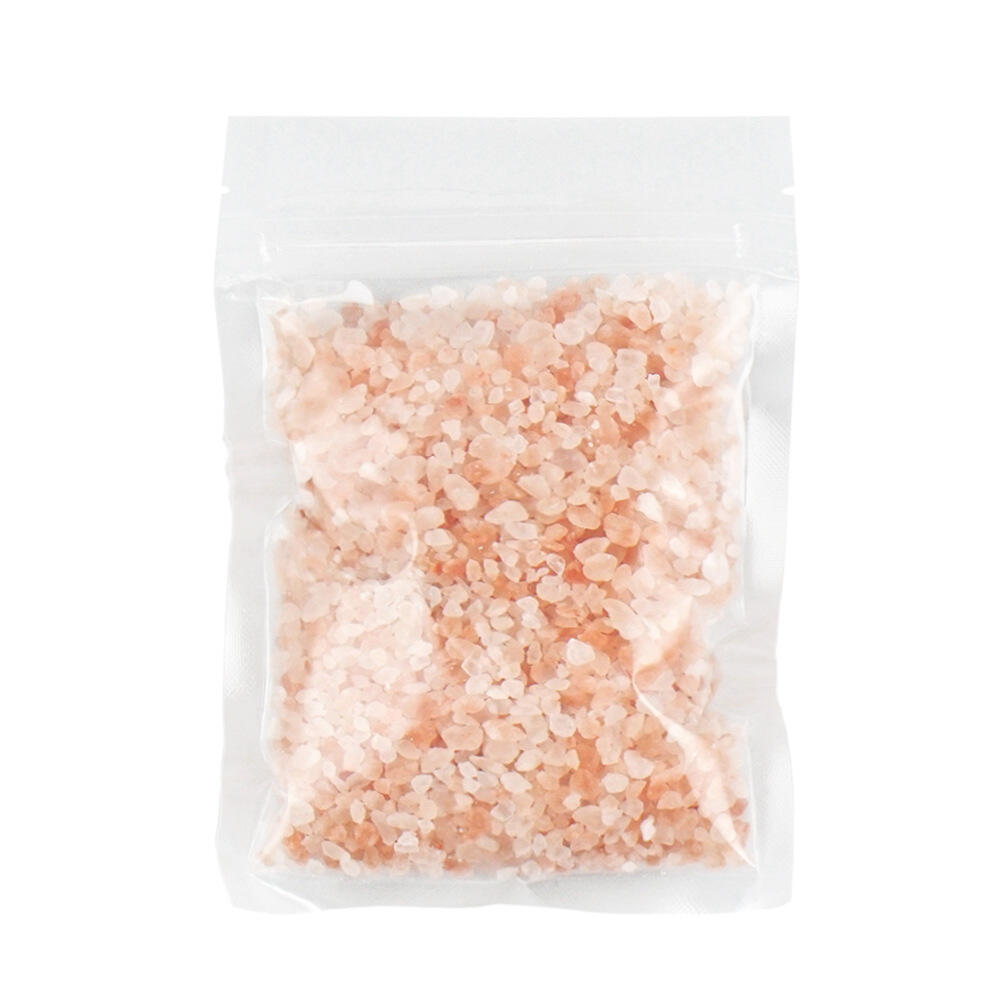
The growing popularity of Himalayan bath salt has led to numerous counterfeit products flooding the market, making it crucial for consumers to understand how to identify authentic, high-quality options. Genuine Himalayan bath salt exhibits a characteristic pink to orange coloration due to its natural iron oxide content, and the color intensity may vary within the same batch due to natural mineral variations.
Authentic products should clearly state their origin and provide information about mining and processing methods. Reputable suppliers often provide certificates of analysis that detail the mineral composition and purity levels of their Himalayan bath salt. Price can also be an indicator, as genuine products typically cost more than synthetic alternatives due to the specialized extraction and transportation processes involved.
Potential Side Effects and Contraindications
While Himalayan bath salt is generally safe for most individuals, certain precautions should be observed to prevent adverse reactions. People with severe cardiovascular conditions, uncontrolled hypertension, or kidney disorders should consult healthcare providers before using salt baths regularly. Pregnant women should also seek medical advice, particularly during the first trimester when hormonal changes may affect mineral absorption.
Individuals with extremely sensitive skin or active wounds should start with very dilute solutions and monitor their skin's response carefully. Overuse of Himalayan bath salt can potentially lead to skin dryness or irritation, emphasizing the importance of following recommended dosage guidelines and maintaining proper hydration throughout treatment sessions.
FAQ
How often should I use Himalayan bath salt for optimal skin benefits
For most people, using Himalayan bath salt 2-3 times per week provides optimal skin benefits without causing over-drying or irritation. This frequency allows your skin to absorb beneficial minerals while maintaining its natural balance. If you have sensitive skin, start with once weekly sessions and gradually increase frequency as your skin adapts to the treatment.
Can Himalayan bath salt help with specific skin conditions like eczema or psoriasis
Many individuals with inflammatory skin conditions report improvements when using Himalayan bath salt regularly, as its anti-inflammatory and antimicrobial properties can help soothe irritated skin. However, those with severe eczema or psoriasis should consult dermatologists before beginning treatment, as salt baths may initially cause stinging or increased sensitivity in compromised skin areas.
What is the difference between Himalayan bath salt and regular Epsom salt
Himalayan bath salt contains over 80 trace minerals including sodium chloride, magnesium, potassium, and iron, while Epsom salt consists primarily of magnesium sulfate. This means Himalayan bath salt offers broader therapeutic benefits including skin nourishment and detoxification, whereas Epsom salt is more specifically targeted toward muscle relaxation and pain relief through magnesium absorption.
How long should I soak in a Himalayan bath salt bath for maximum benefits
The optimal soaking time for Himalayan bath salt baths is typically 15-20 minutes, which provides sufficient time for mineral absorption without causing skin dehydration or electrolyte imbalance. Soaking longer than 25 minutes may actually reverse some benefits by drawing too much moisture from the skin, so timing your sessions appropriately is important for achieving desired results.
Table of Contents
- Understanding the Mineral Composition of Himalayan Bath Salt
- Transformative Skin Benefits of Regular Bath Salt Usage
- Comprehensive Wellness and Therapeutic Applications
- Optimal Usage Guidelines and Best Practices
- Choosing Quality Products and Safety Considerations
-
FAQ
- How often should I use Himalayan bath salt for optimal skin benefits
- Can Himalayan bath salt help with specific skin conditions like eczema or psoriasis
- What is the difference between Himalayan bath salt and regular Epsom salt
- How long should I soak in a Himalayan bath salt bath for maximum benefits