 EN
EN
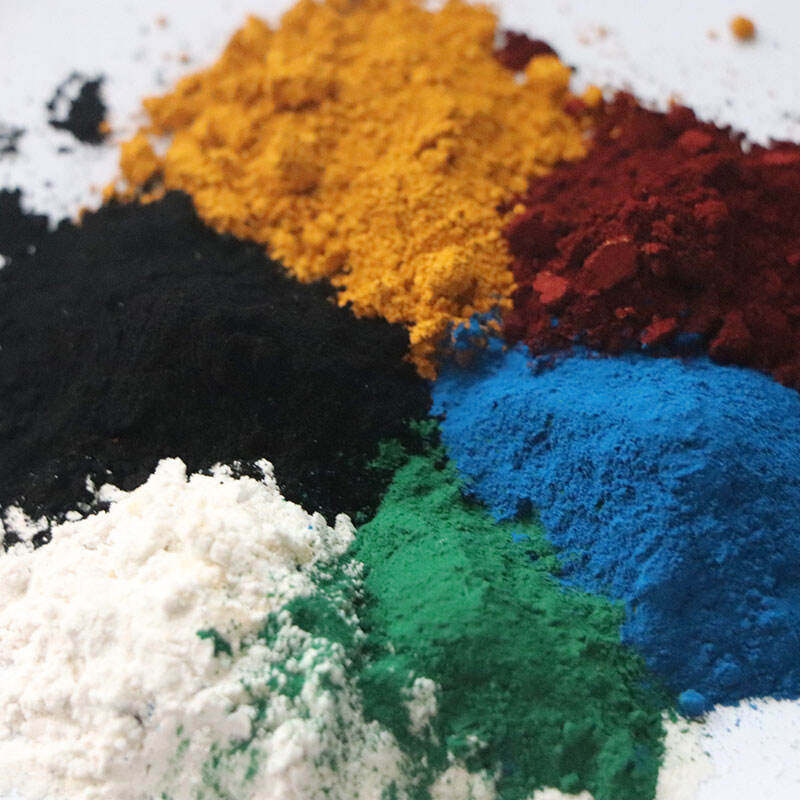
Inorganic pigments represent a cornerstone of modern industrial coloration, delivering exceptional durability and vibrant colors across numerous applications. These synthetic and naturally occurring compounds have revolutionized manufacturing processes in industries ranging from plastics and coatings to construction materials and automotive finishes. Unlike their organic counterparts, inorganic pigments demonstrate superior resistance to environmental factors, making them indispensable for applications requiring long-term color stability and performance reliability.
The chemical composition of inorganic pigments provides inherent advantages that organic alternatives cannot match. These materials derive their coloring properties from metal oxides, sulfides, chromates, and other inorganic compounds that maintain structural integrity under harsh conditions. Manufacturing industries increasingly rely on these pigments because they offer consistent performance characteristics, excellent opacity, and remarkable resistance to fading, heat, and chemical exposure.
Chemical Structure and Composition
Metal Oxide Based Pigments
Metal oxide based inorganic pigments form the largest category within this classification system. Iron oxides, titanium dioxide, chromium oxides, and zinc oxides represent the most commonly utilized compounds in industrial applications. These materials exhibit exceptional chemical stability due to their crystalline structure and strong ionic bonding characteristics. Iron oxide red, for instance, provides excellent hiding power and weather resistance in exterior coatings and construction materials.
The manufacturing process for metal oxide pigments involves controlled precipitation, calcination, and surface treatment procedures that optimize particle size distribution and surface characteristics. These parameters directly influence color strength, dispersibility, and application performance. Advanced production techniques enable manufacturers to achieve precise color matching and consistency across different production batches.
Complex Inorganic Pigments
Complex inorganic pigments encompass mixed metal oxides, spinels, and other multi-component systems that deliver unique color properties. These sophisticated materials often require high-temperature calcination processes to achieve proper crystal formation and color development. Cobalt blue, ultramarine blue, and chrome green exemplify complex inorganic pigments that provide intense coloration with excellent lightfastness properties.
Manufacturing these complex systems demands precise control over raw material ratios, processing temperatures, and atmospheric conditions. The resulting pigments demonstrate superior performance characteristics compared to single-component alternatives, including enhanced color purity, improved thermal stability, and increased resistance to chemical attack.
Durability Characteristics
Weather Resistance Properties
Weather resistance represents a critical performance attribute for inorganic pigments used in exterior applications. These materials demonstrate exceptional resistance to ultraviolet radiation, temperature fluctuations, humidity changes, and atmospheric pollutants. Extended exposure testing confirms that inorganic pigments maintain color integrity and physical properties under accelerated weathering conditions that simulate decades of natural exposure.
The inherent stability of inorganic pigments stems from their robust chemical structures that resist photochemical degradation. Unlike organic colorants that may experience molecular breakdown under UV exposure, inorganic pigments maintain their chromophoric properties indefinitely when properly formulated and applied. This characteristic makes them particularly valuable for architectural coatings, automotive finishes, and industrial equipment that requires long-term color retention.
Chemical Resistance Performance
Chemical resistance capabilities distinguish inorganic pigments from alternative coloration systems in demanding industrial environments. These materials demonstrate excellent stability when exposed to acids, alkalis, solvents, and other aggressive chemicals commonly encountered in industrial processes. The ionic bonding structure of inorganic pigments provides inherent resistance to chemical attack and dissolution.
Testing protocols for chemical resistance evaluation include exposure to various pH conditions, solvent immersion studies, and compatibility assessments with different binder systems. Results consistently demonstrate that inorganic pigments maintain their structural integrity and color properties under conditions that would rapidly degrade organic alternatives. This performance advantage makes them essential for protective coatings, chemical processing equipment, and marine applications.
Color Performance and Optical Properties
Color Strength and Opacity
Color strength measurements quantify the tinting ability of inorganic pigments compared to established reference standards. These materials typically demonstrate superior color strength due to their high refractive index values and optimized particle size distributions. The opacity characteristics of inorganic pigments enable formulators to achieve desired color effects with minimal loading levels, reducing overall material costs and improving application properties.
Particle morphology significantly influences the optical properties of inorganic pigments. Spherical particles provide different light scattering characteristics compared to acicular or platelet-shaped materials. Manufacturing processes can be tailored to produce specific particle geometries that optimize color development and application performance for particular end-use requirements.
Color Consistency and Reproducibility
Manufacturing consistency represents a crucial advantage of inorganic pigments over natural and organic alternatives. Modern production facilities utilize advanced process control systems that monitor and adjust critical parameters throughout the manufacturing cycle. This technological approach ensures batch-to-batch color consistency and eliminates the variability often associated with natural colorants.
Quality control procedures for inorganic pigments include spectrophotometric analysis, particle size measurement, and application testing protocols. These comprehensive evaluation methods verify that each production batch meets established specifications for color coordinates, strength, and performance characteristics. The resulting consistency enables manufacturers to maintain uniform product quality across extended production runs.
Industrial Applications and Benefits
Coating and Paint Formulations
Coating formulations represent the largest application segment for inorganic pigments in terms of volume consumption. These materials provide essential coloration and performance benefits in architectural paints, industrial coatings, and specialty finishes. The chemical compatibility of inorganic pigments with various binder systems enables formulators to develop coatings with enhanced durability and aesthetic properties.
Automotive coating applications particularly benefit from the exceptional performance characteristics of inorganic pigments. These materials contribute to the scratch resistance, gloss retention, and color stability required for premium automotive finishes. The thermal stability of inorganic pigments enables them to withstand the elevated curing temperatures used in automotive coating processes without experiencing color degradation.
Plastic and Polymer Applications
Plastic coloration applications utilize inorganic pigments for their thermal stability and processing compatibility. These materials can withstand the elevated temperatures encountered during polymer processing without decomposition or color change. The chemical inertness of inorganic pigments prevents adverse interactions with polymer matrices and processing additives.
Injection molding, extrusion, and thermoforming processes benefit from the stable performance of inorganic pigments under processing conditions. These materials maintain their color properties throughout multiple heating and cooling cycles, ensuring consistent appearance in finished plastic products. The excellent dispersion characteristics of properly surface-treated inorganic pigments facilitate uniform color distribution in polymer matrices.
Manufacturing and Processing Considerations
Production Methods and Quality Control
Modern manufacturing facilities for inorganic pigments employ sophisticated production technologies that ensure consistent quality and performance. Controlled precipitation processes utilize automated dosing systems that maintain precise chemical ratios and reaction conditions. Temperature monitoring and atmospheric control systems optimize crystal formation and prevent unwanted phase transitions during manufacturing.
Quality assurance protocols for inorganic pigments include comprehensive testing at multiple production stages. Raw material verification, in-process monitoring, and finished product evaluation ensure compliance with established specifications. These quality control measures guarantee that inorganic pigments meet the demanding performance requirements of industrial applications.
Surface Treatment and Functionalization
Surface treatment technologies enhance the performance characteristics of inorganic pigments for specific applications. Organic and inorganic coating systems improve dispersibility, reduce dusting, and optimize compatibility with various binder systems. Silane coupling agents, organic acids, and polymeric treatments represent common surface modification approaches.
The selection of appropriate surface treatments depends on the intended application requirements and processing conditions. Hydrophobic treatments improve performance in water-based systems, while specialized coatings enhance compatibility with specific polymer types. These surface modifications expand the application range of inorganic pigments and improve their performance in demanding environments.
Environmental and Safety Aspects
Environmental Impact and Sustainability
Environmental considerations play an increasingly important role in the selection and application of inorganic pigments. These materials generally demonstrate lower environmental impact compared to organic alternatives due to their chemical stability and reduced potential for bioaccumulation. The manufacturing processes for many inorganic pigments have been optimized to minimize waste generation and energy consumption.
Life cycle assessments of inorganic pigments reveal favorable environmental profiles due to their exceptional durability and longevity. Products colored with these materials require less frequent replacement and maintenance, reducing overall resource consumption and waste generation. The recyclability of inorganic pigments further enhances their environmental sustainability credentials.
Regulatory Compliance and Safety
Regulatory approval and safety clearances for inorganic pigments vary depending on the specific application and geographic region. Many inorganic pigments have received approval for use in food contact applications, toys, and cosmetics due to their low solubility and chemical inertness. Comprehensive toxicological studies support the safe use of these materials in consumer and industrial applications.
Safety data sheets and regulatory compliance documentation provide essential information for the safe handling and use of inorganic pigments. Proper handling procedures, personal protective equipment recommendations, and exposure limit guidelines ensure worker safety during manufacturing and application processes. These comprehensive safety protocols support the continued use of inorganic pigments across diverse industrial sectors.
FAQ
What makes inorganic pigments more durable than organic alternatives
Inorganic pigments demonstrate superior durability due to their robust chemical structures based on ionic bonding and crystalline arrangements. Unlike organic molecules that can break down under UV radiation and chemical exposure, inorganic compounds maintain their structural integrity indefinitely under normal environmental conditions. This inherent stability translates to exceptional fade resistance, weather durability, and chemical resistance properties that organic pigments cannot match.
How do inorganic pigments achieve their vibrant colors
The vibrant colors of inorganic pigments result from electronic transitions within metal ions and crystal field effects in their chemical structures. Different metal oxidation states and coordination environments produce distinct absorption and reflection characteristics that create intense, pure colors. The crystalline nature of these materials also contributes to their excellent opacity and color strength, enabling vibrant color effects at relatively low loading levels.
Are inorganic pigments suitable for high-temperature applications
Yes, inorganic pigments excel in high-temperature applications due to their thermal stability and resistance to decomposition. Most inorganic pigments can withstand temperatures well above 200°C without experiencing color change or structural degradation. This thermal stability makes them ideal for applications such as powder coatings, ceramic glazes, plastics processing, and industrial equipment that operates under elevated temperature conditions.
What factors should be considered when selecting inorganic pigments for specific applications
Key selection criteria for inorganic pigments include color requirements, performance demands, processing conditions, and regulatory considerations. Application-specific factors such as weather exposure, chemical contact, temperature requirements, and compatibility with binder systems must be evaluated. Additionally, particle size distribution, surface treatment, and cost considerations influence the selection process to ensure optimal performance in the intended application.