 EN
EN

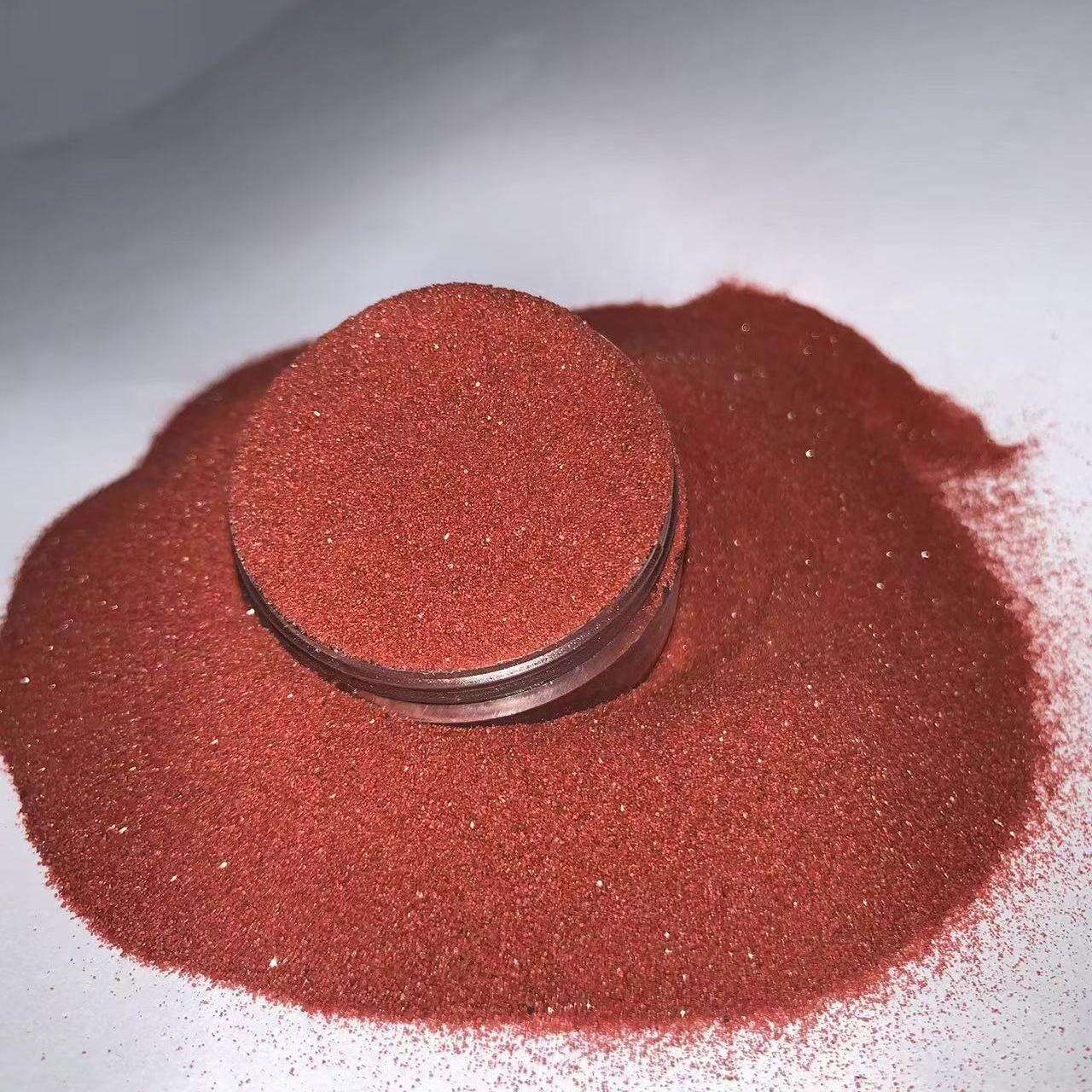
Hematite powder represents one of the most versatile and important magnetic materials in modern industrial applications. This iron oxide compound, chemically known as Fe₂O₃, exhibits unique magnetic properties that make it indispensable across various sectors including electronics, manufacturing, and scientific research. The distinctive characteristics of hematite powder enable engineers and researchers to develop innovative solutions for complex magnetic challenges while maintaining cost-effectiveness and reliability in their applications.
The growing demand for advanced magnetic materials has positioned hematite powder as a critical component in numerous technological innovations. From magnetic recording media to specialized coatings and electromagnetic shielding applications, this remarkable material continues to demonstrate its value across diverse industries. Understanding the fundamental properties and applications of hematite powder enables professionals to make informed decisions when selecting materials for their specific magnetic requirements.
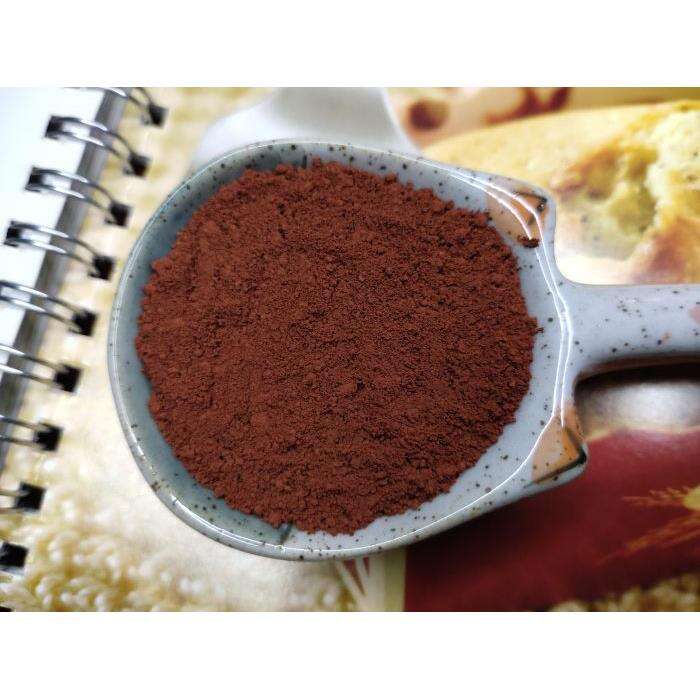
Fundamental Properties and Characteristics
Crystal Structure and Magnetic Behavior
The unique crystal structure of hematite powder contributes significantly to its magnetic properties and overall performance in various applications. This iron oxide material possesses a hexagonal close-packed crystal lattice that creates weak ferromagnetic behavior at room temperature. The antiferromagnetic ordering of iron ions within the crystal structure results in a net magnetic moment that can be effectively utilized in specialized applications requiring controlled magnetic responses.
Temperature stability represents another crucial characteristic of hematite powder that enhances its practical applications. The material maintains its magnetic properties across a wide temperature range, making it suitable for environments where thermal fluctuations are common. This thermal stability, combined with its chemical inertness, ensures consistent performance in demanding industrial conditions where other magnetic materials might fail or degrade over time.
Particle Size Distribution and Surface Properties
The effectiveness of hematite powder in magnetic applications depends heavily on its particle size distribution and surface characteristics. Nano-scale and micron-sized particles offer different magnetic behaviors, with smaller particles typically exhibiting superparamagnetic properties that are valuable in specific applications. The surface area-to-volume ratio of hematite powder particles directly influences their magnetic susceptibility and interaction with external magnetic fields.
Surface modification techniques can further enhance the performance of hematite powder in targeted applications. Coating treatments and chemical functionalization methods allow engineers to tailor the magnetic response and improve compatibility with various matrix materials. These modifications enable the development of composite materials that combine the magnetic properties of hematite powder with the mechanical or chemical properties of other components.
Industrial Applications and Use Cases
Magnetic Recording and Data Storage
The data storage industry has extensively utilized hematite powder for magnetic recording applications due to its stable magnetic properties and excellent signal-to-noise ratios. In magnetic tape manufacturing, hematite powder serves as the active magnetic layer that stores digital information through controlled magnetization patterns. The material's ability to maintain magnetic orientation over extended periods makes it ideal for long-term data archival solutions.
Modern magnetic recording systems require materials that can support high data densities while maintaining signal integrity. Hematite powder meets these requirements through its uniform particle distribution and consistent magnetic response characteristics. The controlled coercivity values of processed hematite powder enable precise write and read operations essential for reliable data storage systems.
Electromagnetic Shielding Solutions
Electromagnetic interference has become a significant concern in modern electronic systems, driving the demand for effective shielding materials. Hematite powder offers excellent electromagnetic shielding properties when incorporated into composite materials or coatings. The magnetic permeability and electrical conductivity of hematite powder contribute to its ability to absorb and reflect electromagnetic radiation across various frequency ranges.
The incorporation of hematite powder into polymer matrices creates flexible shielding materials that can be applied to complex geometries and surfaces. These composite materials maintain their shielding effectiveness while providing mechanical flexibility and environmental resistance. The tuneable properties of hematite powder composites allow engineers to optimize electromagnetic shielding performance for specific frequency bands and application requirements.
Manufacturing and Processing Advantages
Production Scalability and Cost Efficiency
The manufacturing advantages of hematite powder stem from its abundant natural occurrence and well-established production processes. Large-scale synthesis methods enable consistent quality control while maintaining competitive pricing compared to synthetic magnetic alternatives. The scalability of hematite powder production supports growing market demands without significant infrastructure investments or technological barriers.
Quality control measures in hematite powder manufacturing ensure consistent particle size distribution, purity levels, and magnetic properties across production batches. Advanced characterization techniques monitor critical parameters throughout the production process, guaranteeing that the final product meets stringent specifications for magnetic applications. This reliability in manufacturing translates to predictable performance in end-use applications.
Processing Versatility and Integration
The processing versatility of hematite powder enables its integration into various manufacturing workflows and material systems. Wet and dry processing methods accommodate different application requirements, while surface treatment options enhance compatibility with specific binding agents or matrix materials. The chemical stability of hematite powder simplifies handling procedures and reduces special storage or transportation requirements.
Integration of hematite powder into existing manufacturing processes typically requires minimal equipment modifications or process adjustments. The material's compatibility with standard mixing, coating, and forming techniques reduces implementation costs and accelerates product development cycles. This ease of integration makes hematite powder an attractive option for manufacturers seeking to enhance magnetic properties without extensive process reengineering.
Performance Optimization Strategies
Particle Engineering and Modification
Advanced particle engineering techniques enable the optimization of hematite powder performance for specific magnetic applications. Controlled synthesis methods produce particles with targeted size distributions, morphologies, and surface properties that enhance magnetic response characteristics. These engineering approaches allow manufacturers to customize hematite powder properties to meet exact application requirements.
Surface modification strategies further expand the application potential of hematite powder by improving dispersion characteristics and interfacial bonding in composite materials. Chemical treatments can introduce functional groups that enhance compatibility with organic matrices while maintaining the inherent magnetic properties of the iron oxide core. These modifications enable the development of advanced magnetic composites with superior performance characteristics.
Composite Material Development
The development of hematite powder composites represents a significant advancement in magnetic material technology. By combining hematite powder with various polymer, ceramic, or metallic matrices, engineers create materials that exhibit enhanced magnetic properties along with improved mechanical, thermal, or chemical characteristics. These composite systems expand the range of applications where hematite powder can be effectively utilized.
Optimization of composite formulations requires careful consideration of particle loading levels, dispersion quality, and interfacial interactions between hematite powder and matrix materials. Advanced mixing techniques ensure uniform distribution of magnetic particles throughout the composite structure, maximizing magnetic response while maintaining mechanical integrity. The resulting materials often outperform single-component alternatives in demanding applications.
Quality Control and Characterization
Magnetic Property Testing
Comprehensive characterization of hematite powder magnetic properties ensures consistent performance in end-use applications. Magnetometry measurements determine key parameters such as saturation magnetization, coercivity, and magnetic susceptibility under various conditions. These measurements provide essential data for application-specific material selection and performance prediction.
Advanced characterization techniques enable detailed analysis of magnetic domain structures and particle interactions within hematite powder samples. Magnetic force microscopy and electron spin resonance spectroscopy reveal microscopic magnetic behavior that influences macroscopic performance. This detailed understanding facilitates the development of improved processing methods and application strategies.
Physical and Chemical Analysis
Physical characterization of hematite powder encompasses particle size analysis, surface area measurements, and morphological evaluation using electron microscopy techniques. These analyses ensure that material specifications meet application requirements and maintain consistency across production batches. Standardized testing protocols enable reliable comparison of different hematite powder grades and suppliers.
Chemical purity analysis verifies the composition and identifies potential impurities that might affect magnetic performance or processing behavior. X-ray diffraction confirms crystal structure integrity, while spectroscopic methods quantify elemental composition and detect trace contaminants. This comprehensive analytical approach ensures that hematite powder meets stringent quality standards for critical applications.
Environmental and Safety Considerations
Environmental Impact and Sustainability
The environmental profile of hematite powder production and use presents several advantages compared to alternative magnetic materials. The natural abundance of iron oxide minerals reduces the environmental impact associated with raw material extraction, while established recycling processes enable material recovery from end-of-life products. These factors contribute to the sustainability credentials of hematite powder in magnetic applications.
Life cycle assessments of hematite powder applications demonstrate favorable environmental profiles due to the material's durability and recyclability. The chemical stability of iron oxide ensures minimal environmental release during normal use, while established waste management procedures handle disposal safely. These environmental advantages support corporate sustainability initiatives and regulatory compliance requirements.
Safety Protocols and Handling Procedures
Proper handling and storage of hematite powder require adherence to established safety protocols that protect workers and prevent environmental contamination. While iron oxide is generally considered safe, dust control measures prevent respiratory exposure during processing operations. Personal protective equipment and engineering controls ensure safe working conditions in manufacturing environments.
Storage requirements for hematite powder emphasize moisture control and contamination prevention to maintain material quality and prevent handling hazards. Proper labeling and documentation systems track material batches and ensure traceability throughout the supply chain. These safety and quality assurance measures support reliable performance in critical applications while protecting personnel and equipment.
Future Developments and Innovation Opportunities
Emerging Application Areas
Emerging technologies continue to create new application opportunities for hematite powder in advanced magnetic systems. Quantum computing research explores the potential of iron oxide materials in quantum dot applications, while energy storage systems investigate magnetic materials for improved battery and supercapacitor performance. These cutting-edge applications drive continued innovation in hematite powder processing and modification techniques.
Biomedical applications represent another growing market for specialized hematite powder formulations. Magnetic drug delivery systems and diagnostic imaging applications require biocompatible magnetic materials with controlled properties. The development of functionalized hematite powder for these applications demonstrates the material's versatility and potential for continued market expansion.
Technology Integration and Smart Systems
Integration of hematite powder into smart material systems enables responsive magnetic behavior in advanced applications. Shape memory alloys incorporating magnetic particles create materials that respond to both thermal and magnetic stimuli, while sensor systems utilize magnetic property changes for environmental monitoring. These intelligent material systems represent the next generation of magnetic applications.
Additive manufacturing technologies increasingly incorporate hematite powder for creating complex magnetic structures with precise geometric control. Three-dimensional printing of magnetic composites enables custom magnetic field configurations and integrated electromagnetic devices. This manufacturing capability opens new possibilities for magnetic system design and optimization.
FAQ
What makes hematite powder superior to other magnetic materials in industrial applications
Hematite powder offers several distinct advantages over alternative magnetic materials, including exceptional thermal stability, chemical inertness, and cost-effectiveness. Unlike ferrite materials that may lose magnetic properties at elevated temperatures, hematite powder maintains consistent performance across wide temperature ranges. The natural abundance of iron oxide raw materials ensures reliable supply chains and competitive pricing compared to rare earth magnetic materials. Additionally, the established processing methods and extensive application knowledge base reduce development risks and implementation costs for manufacturers.
How does particle size affect the magnetic properties of hematite powder
Particle size significantly influences the magnetic behavior of hematite powder, with smaller particles typically exhibiting superparamagnetic properties while larger particles display stable ferromagnetic characteristics. Nano-scale hematite powder particles show rapid magnetic response to external fields but may not retain magnetization when the field is removed. Micron-sized particles provide stable magnetic domains suitable for permanent magnetic applications. The optimal particle size depends on the specific application requirements, with electromagnetic shielding applications often benefiting from mixed particle size distributions that provide broadband response characteristics.
What quality control measures ensure consistent hematite powder performance
Comprehensive quality control for hematite powder involves multiple analytical techniques including particle size distribution analysis, magnetic property testing, and chemical purity verification. Magnetometry measurements determine critical parameters such as saturation magnetization and coercivity values under standardized conditions. Physical characterization includes surface area analysis and morphological evaluation using electron microscopy. Chemical analysis confirms elemental composition and detects impurities that might affect performance. Statistical process control methods monitor production consistency, while batch testing ensures that each shipment meets specified requirements before delivery to customers.
How can manufacturers optimize hematite powder integration into existing production processes
Successful integration of hematite powder requires careful evaluation of mixing procedures, dispersion techniques, and compatibility with existing materials and equipment. Manufacturers should conduct small-scale trials to determine optimal loading levels and processing parameters before full-scale implementation. Surface treatment of hematite powder may improve compatibility with specific matrix materials or processing conditions. Proper storage and handling procedures prevent moisture absorption and contamination that could affect material properties. Training programs ensure that production personnel understand the unique characteristics of magnetic materials and implement appropriate safety measures during handling and processing operations.
Table of Contents
- Fundamental Properties and Characteristics
- Industrial Applications and Use Cases
- Manufacturing and Processing Advantages
- Performance Optimization Strategies
- Quality Control and Characterization
- Environmental and Safety Considerations
- Future Developments and Innovation Opportunities
-
FAQ
- What makes hematite powder superior to other magnetic materials in industrial applications
- How does particle size affect the magnetic properties of hematite powder
- What quality control measures ensure consistent hematite powder performance
- How can manufacturers optimize hematite powder integration into existing production processes