 EN
EN

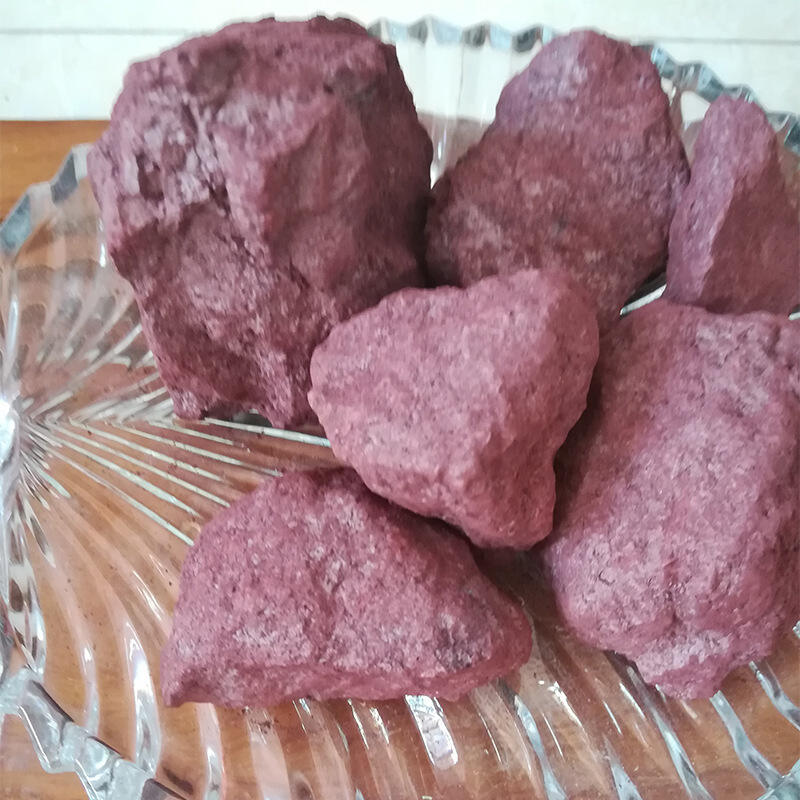
Hematite powder has emerged as a critical material across numerous sustainable industries, offering unique properties that make it indispensable for environmental applications. This iron oxide compound, characterized by its distinctive reddish-brown color and magnetic properties, represents a cornerstone of modern industrial sustainability initiatives. As industries increasingly prioritize eco-friendly solutions, hematite powder continues to demonstrate its versatility and effectiveness in addressing complex environmental challenges while maintaining cost-effectiveness and performance standards.
The growing demand for sustainable materials has positioned hematite powder at the forefront of industrial innovation. From water treatment facilities to renewable energy systems, this versatile compound provides solutions that align with global environmental goals. Understanding the comprehensive applications and benefits of hematite powder becomes essential for industry professionals seeking sustainable alternatives to traditional materials.
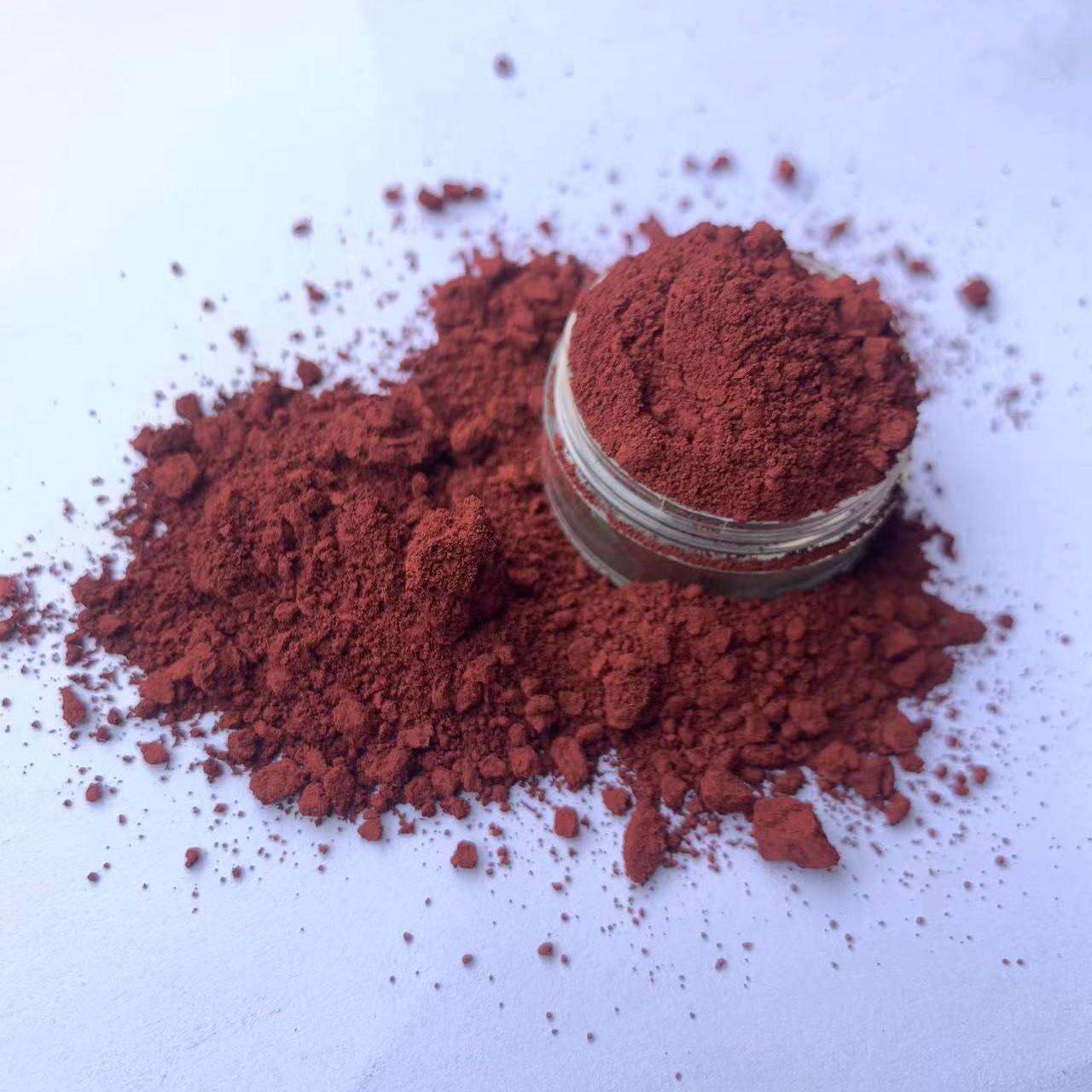
Chemical Composition and Properties of Hematite Powder
Fundamental Chemical Structure
Hematite powder consists primarily of iron(III) oxide (Fe2O3), representing one of the most abundant iron oxide minerals on Earth. The crystalline structure of hematite powder exhibits a rhombohedral lattice system, which contributes to its exceptional stability and durability under various environmental conditions. This stable configuration makes hematite powder particularly valuable in applications requiring long-term performance without degradation.
The molecular arrangement within hematite powder creates unique magnetic properties that distinguish it from other iron oxides. While hematite powder exhibits weak ferromagnetic behavior at room temperature, it demonstrates antiferromagnetic characteristics at elevated temperatures, making it suitable for specialized applications in temperature-sensitive environments. These magnetic properties enable precise control in various industrial processes.
Physical Characteristics and Performance Metrics
The particle size distribution of hematite powder significantly influences its performance across different applications. Typically ranging from nano-scale to micron-scale particles, hematite powder can be engineered to meet specific surface area requirements. Fine-grade hematite powder offers enhanced reactivity and mixing capabilities, while coarser grades provide improved flow characteristics and handling properties.
Density characteristics of hematite powder, averaging approximately 5.26 g/cm³, contribute to its effectiveness in gravity-based separation processes and weighted applications. The high density combined with chemical inertness makes hematite powder an excellent choice for applications requiring stable, heavy media. Additionally, the hardness rating of 5-6 on the Mohs scale ensures durability in abrasive environments.
Environmental Applications and Sustainability Benefits
Water Treatment and Purification Systems
In water treatment facilities, hematite powder serves as an effective adsorbent for heavy metals and other contaminants. The high surface area and chemical stability of hematite powder enable efficient removal of arsenic, chromium, and other toxic elements from contaminated water sources. This application demonstrates the critical role of hematite powder in protecting public health and environmental quality.
Advanced oxidation processes utilize hematite powder as a catalyst for breaking down organic pollutants in wastewater treatment. The photocatalytic properties of hematite powder, when exposed to solar radiation, initiate chemical reactions that decompose harmful organic compounds. This solar-driven treatment process reduces energy consumption while maintaining high treatment efficiency, exemplifying sustainable water management practices.
Air Pollution Control and Atmospheric Applications
Air filtration systems incorporate hematite powder for removing particulate matter and gaseous pollutants from industrial emissions. The magnetic properties of hematite powder facilitate magnetic separation techniques that efficiently capture ferrous particles from exhaust streams. This application significantly reduces atmospheric pollution while enabling material recovery for recycling purposes.
Atmospheric chemistry applications leverage hematite powder as a heterogeneous catalyst for reducing nitrogen oxides and sulfur compounds in industrial emissions. The catalytic activity of hematite powder promotes chemical transformations that convert harmful gases into less toxic compounds, contributing to cleaner air quality and regulatory compliance for industrial facilities.
Industrial Manufacturing and Processing Applications
Pigment and Coating Industries
The pigment industry relies heavily on hematite powder for producing iron oxide red pigments used in paints, coatings, and construction materials. The excellent color stability and UV resistance of hematite powder ensure long-lasting performance in outdoor applications. This natural origin of hematite powder provides an environmentally friendly alternative to synthetic pigments that may contain harmful heavy metals.
Protective coating formulations incorporate hematite powder to enhance corrosion resistance and durability. The lamellar structure of processed hematite powder creates barrier properties that prevent moisture and oxygen penetration, extending the service life of coated surfaces. These protective qualities make hematite powder essential for infrastructure protection and maintenance applications.
Metallurgy and Materials Science
Steel production processes utilize hematite powder as a primary iron ore source, contributing to sustainable metallurgy practices through efficient resource utilization. The high iron content and low impurity levels in quality hematite powder improve furnace efficiency and reduce energy consumption during steel manufacturing. This application supports circular economy principles by maximizing resource value extraction.
Advanced materials research incorporates hematite powder in developing high-performance composites and specialized alloys. The controlled addition of hematite powder modifies material properties such as magnetic permeability, thermal conductivity, and mechanical strength. These engineered materials find applications in aerospace, automotive, and electronics industries where performance optimization is critical.
Energy Sector Applications and Renewable Technologies
Solar Energy and Photovoltaic Systems
Solar energy applications utilize hematite powder in photovoltaic cell manufacturing and solar thermal systems. The semiconducting properties of hematite powder enable its use in photoelectrochemical cells for solar water splitting and hydrogen production. These applications demonstrate the potential of hematite powder in advancing renewable energy technologies and reducing dependence on fossil fuels.
Thermal energy storage systems incorporate hematite powder as a heat storage medium due to its high thermal capacity and stability at elevated temperatures. The ability of hematite powder to store and release thermal energy efficiently supports concentrated solar power systems and industrial heat recovery applications. This thermal storage capability enhances the reliability and efficiency of renewable energy systems.
Battery Technology and Energy Storage
Energy storage applications leverage hematite powder in advanced battery electrode materials for lithium-ion and sodium-ion batteries. The high theoretical capacity and abundance of hematite powder make it an attractive alternative to traditional electrode materials. Research continues to optimize the electrochemical performance of hematite powder for next-generation energy storage systems.
Supercapacitor development incorporates hematite powder nanoparticles to enhance charge storage capacity and cycling stability. The pseudocapacitive behavior of hematite powder enables rapid charge and discharge cycles while maintaining structural integrity. These characteristics support the development of high-power energy storage devices for grid stabilization and electric vehicle applications.
Quality Standards and Production Considerations
Purity Requirements and Specifications
Industrial applications of hematite powder require strict adherence to purity standards and particle size specifications. High-purity hematite powder minimizes interference from impurities that could affect performance in sensitive applications. Quality control measures include chemical analysis, particle size distribution testing, and magnetic property verification to ensure consistent product performance.
Certification standards for hematite powder vary across industries, with some applications requiring pharmaceutical-grade purity while others accept technical-grade materials. Understanding the specific requirements for each application ensures optimal performance and regulatory compliance. The traceability of hematite powder from source to application maintains quality assurance throughout the supply chain.
Processing Methods and Production Techniques
Modern production methods for hematite powder emphasize sustainable extraction and processing techniques that minimize environmental impact. Beneficiation processes utilize magnetic separation, gravity separation, and flotation to concentrate hematite powder while reducing waste generation. These environmentally conscious production methods align with sustainability goals while maintaining product quality.
Advanced milling and classification techniques produce hematite powder with precise particle size distributions and surface characteristics. Controlled atmosphere processing prevents oxidation and maintains the desired chemical composition of hematite powder. These processing innovations support the development of specialized grades for emerging applications in nanotechnology and advanced materials.
Market Trends and Future Developments
Growing Demand in Sustainable Industries
Market analysis indicates increasing demand for hematite powder driven by sustainability initiatives across multiple industries. The transition toward environmentally friendly materials and processes creates opportunities for hematite powder suppliers to develop specialized products for emerging applications. This market growth supports continued investment in production capacity and technological development.
Geographic distribution of hematite powder demand reflects industrial development patterns and environmental regulations. Regions with stringent environmental standards show increased adoption of hematite powder in pollution control and sustainable manufacturing applications. This geographic demand pattern influences global supply chain strategies and production facility locations.
Technological Innovations and Research Directions
Research and development efforts focus on enhancing the performance characteristics of hematite powder through surface modification and nanoengineering techniques. These innovations aim to expand the application range of hematite powder while improving efficiency and cost-effectiveness. Collaborative research between academia and industry accelerates the development of novel applications.
Emerging applications in biotechnology and environmental remediation demonstrate the versatility of hematite powder beyond traditional industrial uses. Biomedical applications explore the use of hematite powder nanoparticles for targeted drug delivery and magnetic hyperthermia treatments. Environmental applications investigate the potential of hematite powder for soil remediation and carbon capture technologies.
FAQ
What makes hematite powder suitable for sustainable industrial applications
Hematite powder offers exceptional sustainability advantages due to its natural abundance, chemical stability, and non-toxic properties. Unlike synthetic alternatives that may require energy-intensive production processes, hematite powder can be extracted and processed using environmentally friendly methods. Its durability and resistance to degradation ensure long service life, reducing replacement frequency and waste generation. Additionally, the magnetic properties of hematite powder enable efficient separation and recycling processes, supporting circular economy principles in various industries.
How does particle size affect the performance of hematite powder in different applications
Particle size significantly influences the performance characteristics of hematite powder across various applications. Fine particles with high surface area provide enhanced reactivity for catalytic and adsorption applications, making them ideal for water treatment and air purification systems. Larger particles offer better flow properties and reduced dust generation, suitable for bulk handling and processing applications. The particle size distribution also affects the optical properties in pigment applications, with specific size ranges producing desired color characteristics and coverage properties.
What quality control measures ensure consistent hematite powder performance
Quality control for hematite powder involves comprehensive testing protocols including chemical composition analysis, particle size distribution measurement, magnetic property evaluation, and surface area determination. X-ray diffraction confirms the crystalline structure and phase purity of hematite powder samples. Moisture content, bulk density, and flow characteristics are monitored to ensure handling and processing consistency. Regular batch testing and statistical process control maintain product uniformity and enable early detection of quality variations.
How does hematite powder contribute to energy efficiency in industrial processes
Hematite powder contributes to energy efficiency through multiple mechanisms including catalytic activity that reduces reaction temperatures, thermal energy storage capabilities that improve heat recovery, and magnetic separation properties that enable low-energy purification processes. In solar applications, hematite powder facilitates energy conversion and storage, reducing reliance on conventional energy sources. The high density of hematite powder improves the efficiency of gravity-based separation processes, reducing energy requirements for material processing and beneficiation operations.
Table of Contents
- Chemical Composition and Properties of Hematite Powder
- Environmental Applications and Sustainability Benefits
- Industrial Manufacturing and Processing Applications
- Energy Sector Applications and Renewable Technologies
- Quality Standards and Production Considerations
- Market Trends and Future Developments
-
FAQ
- What makes hematite powder suitable for sustainable industrial applications
- How does particle size affect the performance of hematite powder in different applications
- What quality control measures ensure consistent hematite powder performance
- How does hematite powder contribute to energy efficiency in industrial processes