 EN
EN

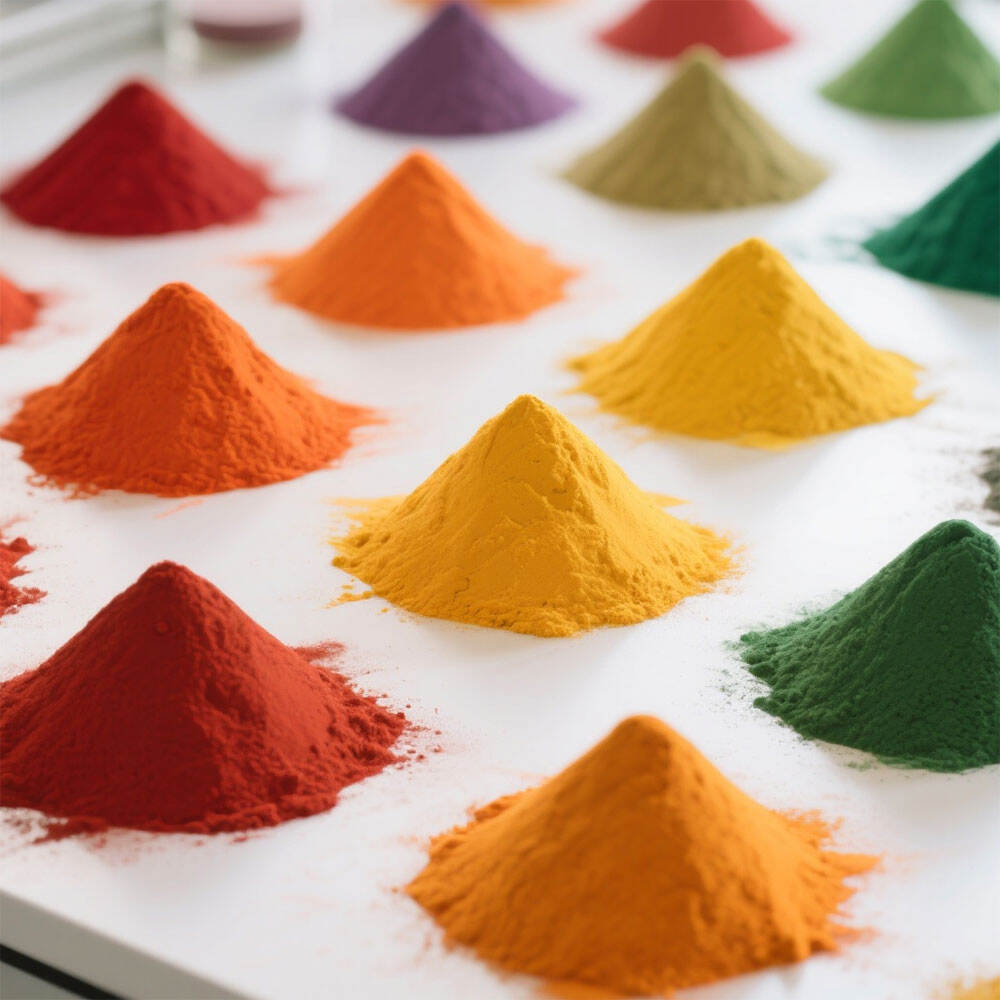
Textile dyestuffs have revolutionized the way we perceive and create vibrant fabrics across countless industries. From fashion and home décor to technical textiles and artisanal crafts, these specialized chemical compounds transform plain fibers into stunning works of art. Understanding how textile dyestuffs enhance color involves exploring their molecular structure, application methods, and the intricate chemistry that bonds pigments to various fiber types. Modern textile dyestuffs offer unparalleled versatility, allowing manufacturers and crafters to achieve consistent, long-lasting colors that resist fading, washing, and environmental factors.
Understanding the Science Behind Textile Dyestuffs
Chemical Composition and Molecular Structure
Textile dyestuffs consist of complex organic molecules designed to interact with specific fiber types through various bonding mechanisms. These compounds contain chromophores, which are responsible for absorbing certain wavelengths of light while reflecting others to create visible color. The effectiveness of textile dyestuffs depends on their ability to penetrate fiber structures and form stable bonds that resist degradation over time. Modern formulations incorporate auxochromes that enhance color intensity and improve the overall dyeing process efficiency.
The molecular weight and structure of textile dyestuffs determine their compatibility with different fiber types and dyeing methods. Smaller molecules typically penetrate fibers more easily but may lack wash fastness, while larger molecules provide superior durability but require specific application conditions. Advanced textile dyestuffs utilize sophisticated chemical engineering to balance these factors, creating products that deliver both vibrant colors and exceptional performance characteristics across diverse applications.
Classification Systems and Types
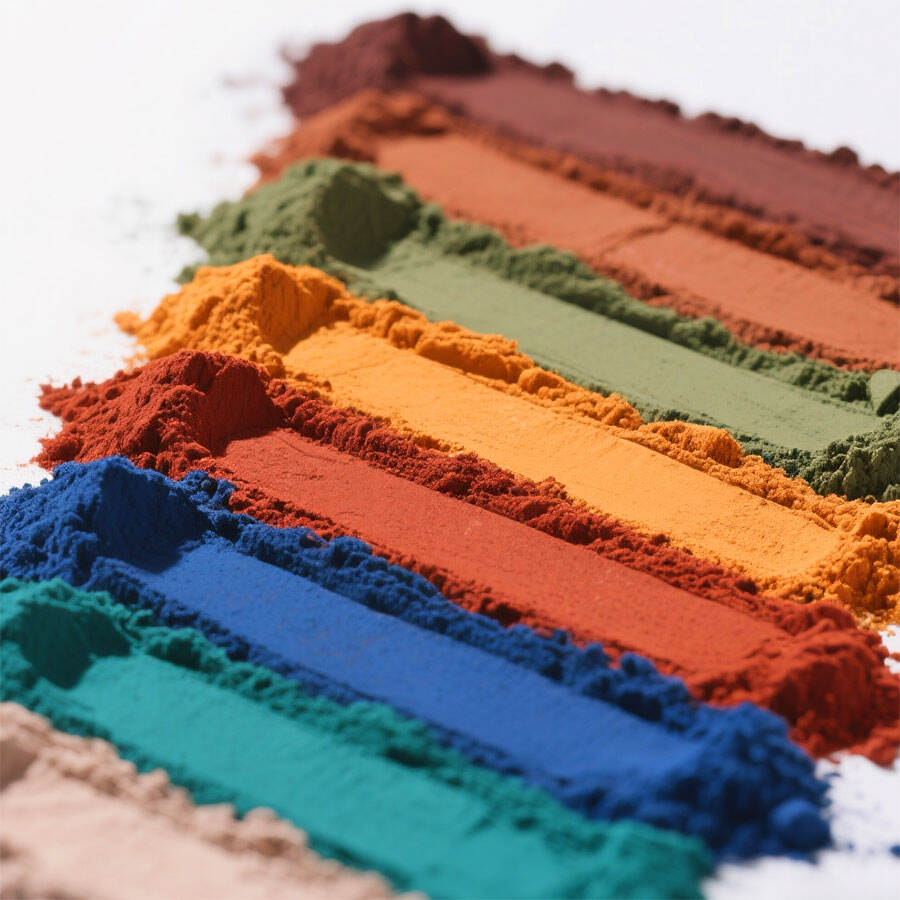
Textile dyestuffs are classified into multiple categories based on their chemical structure, application method, and intended fiber types. Reactive dyes form covalent bonds with cellulosic fibers, providing excellent wash fastness and color brilliance. Acid dyes work effectively on protein fibers like wool and silk, while basic or cationic dyes excel on synthetic materials such as acrylic and modacrylic fibers. This classification system helps manufacturers and crafters select the most appropriate textile dyestuffs for their specific projects and requirements.
Disperse dyes represent another important category within textile dyestuffs, specifically designed for synthetic fibers like polyester and nylon. These formulations utilize high-temperature processes to achieve deep penetration and superior color fastness. Vat dyes offer exceptional lightfastness properties, making them ideal for outdoor applications and high-performance textiles. Understanding these classifications enables users to optimize their dyeing processes and achieve consistent, professional results across various fabric types and end-use applications.
Application Methods and Processing Techniques
Traditional Dyeing Processes
Traditional application methods for textile dyestuffs have evolved significantly while maintaining their fundamental principles. Exhaust dyeing remains one of the most widely used techniques, where fabric or yarn is immersed in a dye bath containing textile dyestuffs, auxiliaries, and processing chemicals. This method allows for precise control over color depth, uniformity, and fastness properties through careful temperature and pH management. The process typically involves multiple stages including wetting, dyeing, fixing, and washing to ensure optimal color development and durability.
Continuous dyeing represents another established method for applying textile dyestuffs to large quantities of fabric efficiently. This technique involves padding the fabric through a dye solution, followed by controlled drying and curing processes. Continuous dyeing systems offer excellent productivity for large-scale manufacturing while maintaining consistent color quality across entire fabric runs. The method requires precise control of solution concentration, pad pressure, and heat treatment parameters to achieve optimal penetration and fixation of textile dyestuffs.
Modern Digital and Precision Techniques
Digital printing technologies have transformed how textile dyestuffs are applied to fabrics, enabling complex patterns and designs previously impossible with conventional methods. Inkjet printing systems utilize specially formulated textile dyestuffs that maintain excellent color reproduction and fastness properties while allowing for precise placement and gradient effects. These systems offer unprecedented design flexibility and reduced waste compared to traditional printing methods, making them increasingly popular for custom and short-run production.
Precision application techniques such as foam dyeing and spray application have gained prominence for their environmental benefits and improved color control. These methods use significantly less water and energy while achieving superior color uniformity and reduced processing times. Advanced automation systems integrate sensors and control algorithms to optimize textile dyestuffs application parameters in real-time, ensuring consistent quality while minimizing material consumption and environmental impact.
Fiber Compatibility and Performance Optimization
Natural Fiber Applications
Natural fibers present unique characteristics that influence how textile dyestuffs interact and bond with the material structure. Cotton, being primarily cellulosic, responds well to reactive and direct dye systems that form strong chemical bonds with the fiber's hydroxyl groups. The dyeing process for cotton requires careful pH control and the use of salt or alkali to promote dye uptake and fixation. Proper preparation including scouring and bleaching ensures optimal penetration of textile dyestuffs and prevents uneven coloration or poor fastness properties.
Wool and silk, as protein-based fibers, require different approaches when applying textile dyestuffs due to their amphoteric nature. Acid dyes work exceptionally well on these materials, forming ionic bonds with amino groups in the protein structure. The dyeing process typically occurs under mild acidic conditions to prevent fiber damage while ensuring complete dye penetration. Temperature control becomes critical when working with protein fibers, as excessive heat can cause irreversible damage and affect both the fiber properties and color development of textile dyestuffs.
Synthetic Fiber Considerations
Synthetic fibers such as polyester, nylon, and acrylic each present distinct challenges and opportunities when applying textile dyestuffs. Polyester's hydrophobic nature and crystalline structure require high-temperature dyeing processes using disperse dyes that can penetrate the fiber matrix through thermal expansion. The process demands precise temperature control and specialized equipment to achieve uniform color distribution and acceptable fastness properties. Textile dyestuffs formulated for synthetic fibers often include carriers or leveling agents to improve penetration and color uniformity.
Acrylic fibers present unique dyeing characteristics that require cationic or basic textile dyestuffs to achieve optimal results. The fiber's structure contains anionic sites that attract positively charged dye molecules, creating strong electrostatic bonds. This affinity allows for excellent color brightness and wash fastness when appropriate textile dyestuffs are selected and applied correctly. The dyeing process for acrylics typically occurs at lower temperatures compared to polyester, making it more energy-efficient while still achieving superior color development and uniformity.
Quality Control and Color Management
Testing and Evaluation Standards
Quality control protocols for textile dyestuffs involve comprehensive testing procedures to ensure color accuracy, fastness properties, and overall performance standards. Colorimetric analysis using spectrophotometers provides precise measurements of color coordinates and enables batch-to-batch consistency verification. These instruments measure the interaction between textile dyestuffs and light across the visible spectrum, generating data that can be used for color matching and quality assurance purposes. Standardized lighting conditions and measurement procedures ensure reliable results that facilitate communication between suppliers, manufacturers, and customers.
Fastness testing represents a critical component of quality control for textile dyestuffs, evaluating color stability under various conditions including washing, light exposure, crocking, and perspiration. These tests simulate real-world usage conditions and help predict the long-term performance of dyed materials. International standards such as ISO and AATCC provide standardized test methods that ensure consistent evaluation criteria across different laboratories and regions. Regular testing programs help manufacturers optimize their textile dyestuffs formulations and application processes to meet specific performance requirements.
Color Matching and Consistency Systems
Modern color matching systems utilize computer-aided design and spectral analysis to achieve precise color reproduction with textile dyestuffs. These systems maintain extensive databases of dye formulations and can predict color outcomes based on fiber type, processing conditions, and desired color coordinates. Advanced algorithms account for metamerism, which occurs when colors appear different under various lighting conditions, ensuring that textile dyestuffs perform consistently across different environments and applications.
Production consistency requires careful monitoring of all variables that affect textile dyestuffs performance, including water quality, temperature control, pH levels, and chemical auxiliaries. Statistical process control methods help identify trends and variations that could impact color quality, enabling proactive adjustments to maintain standards. Automated dosing systems and real-time monitoring equipment ensure precise control of textile dyestuffs concentrations and application parameters, reducing variability and improving overall production efficiency.
Environmental Considerations and Sustainability
Eco-Friendly Formulations
Environmental consciousness has driven significant innovations in textile dyestuffs development, leading to formulations that minimize ecological impact while maintaining performance standards. Low-impact dyes require reduced quantities of salt and alkali during application, significantly decreasing the chemical load in wastewater streams. These textile dyestuffs often exhibit improved fixation rates, meaning more dye molecules bond with the fiber and fewer remain in the effluent. Biodegradable auxiliaries and processing chemicals complement these formulations, creating more sustainable dyeing systems.
Natural and bio-based textile dyestuffs have gained attention as sustainable alternatives to conventional synthetic options. These formulations derive from renewable resources such as plant extracts, microbial fermentation, or enzymatic processes. While traditional natural dyes often suffered from poor fastness properties, modern bio-based textile dyestuffs incorporate advanced chemistry to achieve performance levels comparable to synthetic alternatives. Research continues to expand the color palette and improve the commercial viability of these environmentally friendly options.
Waste Reduction and Water Conservation
Water conservation strategies have become integral to responsible textile dyestuffs application, with techniques such as low-liquor-ratio dyeing and closed-loop water systems gaining widespread adoption. These approaches can reduce water consumption by up to seventy percent while maintaining color quality and production efficiency. Advanced filtration and treatment technologies enable water recycling within dyeing operations, further minimizing environmental impact. Textile dyestuffs formulated for low-water processes often include concentrated formulations and improved solubility characteristics to optimize performance under reduced water conditions.
Waste reduction initiatives focus on minimizing textile dyestuffs consumption through improved application efficiency and process optimization. Right-first-time approaches utilize predictive modeling and precise control systems to eliminate costly re-work and material waste. Recovery and reuse systems capture unused textile dyestuffs from process streams, allowing for recycling within the production cycle. These initiatives not only reduce environmental impact but also provide significant cost savings for manufacturers while maintaining product quality standards.
Industrial Applications and Market Trends
Fashion and Apparel Industry
The fashion industry represents the largest consumer of textile dyestuffs, with demand driven by constantly evolving color trends and seasonal collections. Fast fashion has created requirements for rapid color development and quick production cycles, pushing innovations in textile dyestuffs formulations that offer reduced processing times and improved efficiency. Digital printing technologies have enabled mass customization and on-demand production, requiring textile dyestuffs that perform consistently across small batch sizes and complex pattern applications.
Luxury fashion brands increasingly demand textile dyestuffs that provide exceptional color depth, uniqueness, and longevity to justify premium pricing. Special effect dyes that create color-changing, metallic, or pearl-like finishes have gained popularity for high-end applications. These specialized textile dyestuffs often require complex application processes and precise quality control to achieve the desired aesthetic properties while maintaining durability and performance standards expected by discerning consumers.
Technical and Performance Textiles
Technical textile applications require textile dyestuffs that maintain color stability under extreme conditions including high temperatures, UV exposure, chemical contact, and mechanical stress. Automotive textiles, aerospace applications, and industrial fabrics demand specialized formulations that pass rigorous performance testing while providing the aesthetic properties required for end-use applications. These textile dyestuffs often incorporate additional functional properties such as antimicrobial activity, flame retardancy, or enhanced durability.
Medical and healthcare textiles present unique requirements for textile dyestuffs, including biocompatibility, resistance to sterilization procedures, and compliance with regulatory standards. These applications often require extensive testing and documentation to ensure patient safety while providing the functional and aesthetic properties needed for medical devices, surgical textiles, and healthcare facility furnishings. Specialized textile dyestuffs for medical applications must demonstrate consistent performance across multiple sterilization cycles while maintaining color integrity and safety profiles.
FAQ
What factors determine the choice of textile dyestuffs for specific fabric types
The selection of appropriate textile dyestuffs depends on several critical factors including fiber composition, intended end-use, required fastness properties, and processing capabilities. Natural fibers like cotton work best with reactive or direct dyes, while synthetic materials such as polyester require disperse dyes applied at high temperatures. Consider the final application requirements such as wash fastness for apparel, light fastness for outdoor use, or chemical resistance for technical applications. Processing equipment limitations and environmental regulations also influence textile dyestuffs selection, particularly for operations with water restrictions or temperature constraints.
How do textile dyestuffs achieve long-lasting color that resists fading
Long-lasting color results from strong chemical or physical bonds between textile dyestuffs and fiber molecules, combined with molecular structures that resist degradation from light, washing, and environmental factors. Reactive dyes form covalent bonds with cellulosic fibers, creating permanent connections that survive repeated washing cycles. Proper application procedures including correct pH levels, temperature control, and adequate processing time ensure optimal fixation of textile dyestuffs. Additional treatments such as after-washing and conditioning help remove unfixed dye molecules and stabilize the final coloration for maximum durability.
Can textile dyestuffs be used safely in home crafting and small-scale applications
Many textile dyestuffs are available in formulations suitable for home use, though proper safety precautions and application procedures remain essential. Consumer-grade products typically include detailed instructions and safety warnings to ensure safe handling and application. Home crafters should work in well-ventilated areas, wear appropriate protective equipment, and follow manufacturer guidelines for mixing ratios and processing conditions. While professional-grade textile dyestuffs offer superior performance, they may require specialized equipment and expertise that make them unsuitable for casual crafting applications.
What environmental impact do textile dyestuffs have and how can it be minimized
Traditional textile dyestuffs can impact the environment through water consumption, chemical discharge, and energy usage during processing. Modern eco-friendly formulations significantly reduce these impacts through improved fixation rates, biodegradable components, and lower processing temperatures. Minimizing environmental impact involves selecting appropriate textile dyestuffs for the application, optimizing processing conditions to reduce waste, implementing water recycling systems, and choosing suppliers committed to sustainable practices. Proper wastewater treatment and responsible disposal of chemicals help prevent environmental contamination while maintaining production efficiency.
Table of Contents
- Understanding the Science Behind Textile Dyestuffs
- Application Methods and Processing Techniques
- Fiber Compatibility and Performance Optimization
- Quality Control and Color Management
- Environmental Considerations and Sustainability
- Industrial Applications and Market Trends
-
FAQ
- What factors determine the choice of textile dyestuffs for specific fabric types
- How do textile dyestuffs achieve long-lasting color that resists fading
- Can textile dyestuffs be used safely in home crafting and small-scale applications
- What environmental impact do textile dyestuffs have and how can it be minimized