 EN
EN
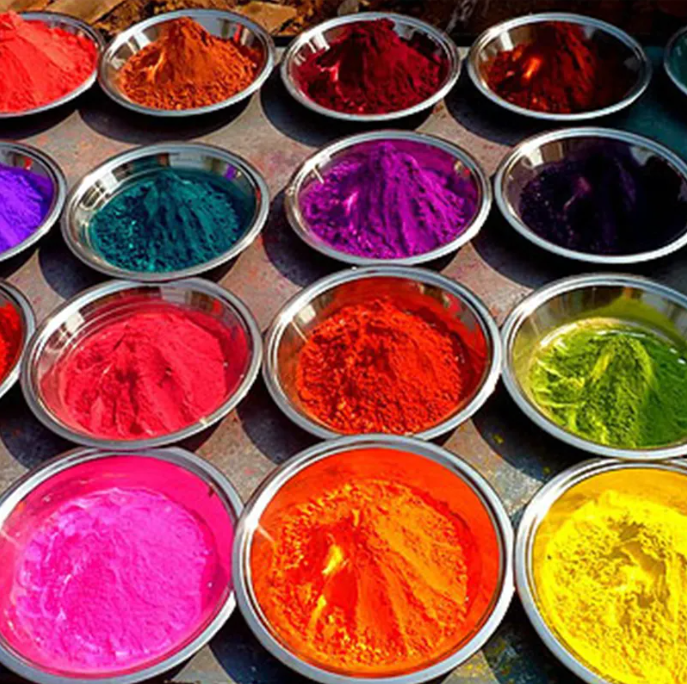
The industrial manufacturing landscape has witnessed a remarkable shift toward sustainable and high-performance materials, with inorganic pigment solutions leading the charge in various applications. These synthetic colorants have revolutionized industries ranging from automotive coatings to construction materials, offering superior performance characteristics that organic alternatives simply cannot match. Understanding the fundamental advantages of inorganic pigment technology becomes crucial for manufacturers seeking to optimize their production processes while maintaining exceptional quality standards. The growing demand for durable, weather-resistant, and chemically stable colorants has positioned inorganic pigment formulations at the forefront of modern industrial applications.
Superior Durability and Weather Resistance
Exceptional UV Stability Performance
Inorganic pigment formulations demonstrate unparalleled resistance to ultraviolet radiation degradation, making them indispensable for outdoor applications. Unlike organic colorants that experience rapid fading and molecular breakdown when exposed to intense sunlight, inorganic pigment compounds maintain their structural integrity and color vibrancy for extended periods. This remarkable UV stability stems from the crystalline structure of inorganic materials, which effectively absorbs and dissipates harmful radiation without undergoing chemical decomposition. Industries manufacturing outdoor furniture, architectural coatings, and automotive components rely heavily on these superior protective properties.
The molecular composition of inorganic pigment materials creates a natural barrier against photodegradation processes that typically compromise organic alternatives. Advanced testing protocols have consistently demonstrated that inorganic pigment solutions maintain over ninety percent of their original color intensity even after thousands of hours of accelerated weathering exposure. This exceptional performance translates directly into reduced maintenance costs and extended product lifecycles for manufacturers across diverse industrial sectors.
Temperature Resistance Capabilities
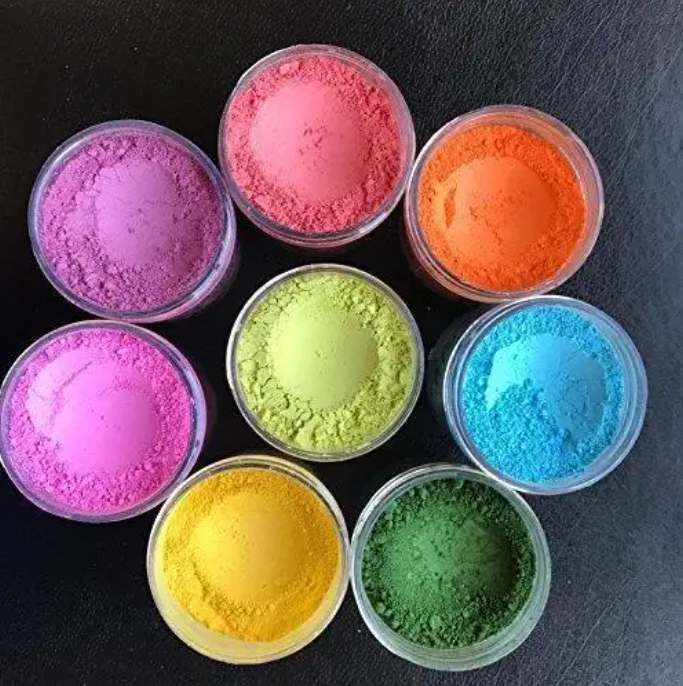
Industrial applications frequently demand colorants capable of withstanding extreme temperature fluctuations without compromising performance or appearance. Inorganic pigment formulations excel in these challenging environments, maintaining color consistency and chemical stability across temperature ranges that would destroy conventional organic pigments. High-temperature manufacturing processes such as powder coating, ceramic glazing, and thermoplastic compounding benefit significantly from the thermal stability inherent in inorganic pigment chemistry.
The crystalline lattice structure characteristic of inorganic pigment compounds provides exceptional thermal resistance, enabling these materials to function effectively at temperatures exceeding 500 degrees Celsius. This remarkable heat tolerance opens opportunities for specialized applications in aerospace components, industrial equipment, and high-performance automotive parts where temperature stability remains paramount. Manufacturers utilizing inorganic pigment technology can confidently specify these materials for applications requiring sustained exposure to elevated temperatures.
Chemical Stability and Compatibility
Resistance to Chemical Attack
The inherent chemical inertness of inorganic pigment materials provides exceptional resistance to acids, bases, solvents, and other aggressive chemical environments. This superior chemical stability makes inorganic pigment solutions ideal for applications involving exposure to harsh industrial chemicals, marine environments, or corrosive atmospheric conditions. Manufacturing facilities processing chemicals, pharmaceuticals, or food products benefit from the non-reactive nature of these advanced colorant systems.
Laboratory testing has consistently demonstrated that inorganic pigment formulations maintain their color properties and structural integrity when exposed to concentrated acids, alkaline solutions, and organic solvents. This remarkable chemical resistance eliminates concerns about color migration, bleeding, or degradation that commonly affect organic pigment alternatives. Industrial coatings incorporating inorganic pigment technology demonstrate superior longevity and performance in chemically aggressive environments.
Broad Compatibility with Substrates
Modern manufacturing processes require colorant systems that integrate seamlessly with diverse substrate materials and processing conditions. Inorganic pigment compounds exhibit excellent compatibility with polymers, metals, ceramics, and composite materials, enabling versatile application across multiple industries. This broad compatibility stems from the stable molecular structure and low reactivity characteristic of inorganic pigment formulations.
Processing advantages become apparent when incorporating inorganic pigment materials into various manufacturing systems. These advanced colorants maintain their dispersion characteristics and color properties during high-shear mixing, thermal processing, and chemical crosslinking reactions. The stable nature of inorganic pigment chemistry prevents unwanted interactions with catalysts, stabilizers, and other additives commonly used in industrial formulations.
Economic Benefits and Cost Effectiveness
Long-Term Performance Value
While inorganic pigment materials may require higher initial investment compared to organic alternatives, their superior durability and performance characteristics deliver exceptional long-term value. Reduced maintenance requirements, extended service life, and consistent color performance throughout the product lifecycle significantly lower total cost of ownership for manufacturers and end users. Industries prioritizing lifecycle cost analysis consistently favor inorganic pigment solutions for critical applications.
The economic advantages of inorganic pigment technology become particularly evident in high-volume manufacturing operations where consistency and reliability directly impact profitability. Reduced warranty claims, lower rework rates, and improved customer satisfaction contribute to enhanced financial performance for companies utilizing these advanced colorant systems. Market analysis indicates that inorganic pigment adoption continues growing as manufacturers recognize the substantial economic benefits associated with superior performance characteristics.
Processing Efficiency Advantages
Manufacturing operations benefit from the excellent processing characteristics inherent in inorganic pigment formulations. These materials demonstrate superior dispersion properties, enabling efficient incorporation into various matrix systems without extensive processing modifications. The stable nature of inorganic pigment compounds reduces batch-to-batch variation, improving quality control and reducing waste generation during production operations.
Advanced inorganic pigment technologies offer simplified processing requirements compared to organic alternatives that often require specialized handling procedures or environmental controls. This processing simplification translates into reduced equipment costs, lower energy consumption, and improved operational efficiency. Manufacturing facilities can optimize their production schedules while maintaining consistent quality standards when utilizing inorganic pigment materials.
Environmental and Safety Considerations
Reduced Environmental Impact
Environmental sustainability has become a critical consideration in modern manufacturing, driving increased adoption of inorganic pigment technologies. These materials typically exhibit lower environmental impact compared to organic alternatives, generating fewer volatile organic compounds during processing and application. The stable chemical nature of inorganic pigment compounds reduces the potential for environmental contamination through leaching or degradation processes.
Manufacturing facilities utilizing inorganic pigment solutions often experience improved air quality and reduced emissions compared to operations using volatile organic pigments. This environmental advantage supports corporate sustainability initiatives while potentially reducing regulatory compliance costs and environmental monitoring requirements. The non-toxic nature of many inorganic pigment formulations further enhances their environmental profile.
Enhanced Worker Safety
Workplace safety considerations favor inorganic pigment materials due to their generally lower toxicity and reduced volatility compared to organic alternatives. Manufacturing personnel experience reduced exposure risks when handling these stable compounds, contributing to improved workplace safety records and lower insurance costs. The non-flammable nature of most inorganic pigment formulations also reduces fire hazards in manufacturing environments.
Safety data sheets for inorganic pigment products typically specify minimal personal protective equipment requirements and simplified handling procedures compared to organic pigment alternatives. This safety advantage simplifies training requirements, reduces compliance costs, and improves overall workplace safety performance. Industries with stringent safety requirements consistently prefer inorganic pigment solutions for these compelling advantages.
Advanced Applications and Industry Trends
Emerging Technology Integration
Cutting-edge applications increasingly leverage the unique properties of inorganic pigment materials to achieve performance levels impossible with conventional colorants. Advanced ceramic coatings, high-performance composites, and specialized optical applications benefit from the exceptional stability and performance characteristics inherent in modern inorganic pigment formulations. These emerging applications drive continued innovation in inorganic pigment technology development.
Research and development efforts continue advancing inorganic pigment capabilities through nanotechnology integration, surface modification techniques, and hybrid formulation approaches. These technological advances expand the application potential for inorganic pigment materials while maintaining their fundamental advantages in durability, stability, and performance. Industries seeking competitive advantages increasingly turn to these advanced inorganic pigment solutions.
Market Growth and Future Outlook
Global market trends indicate sustained growth in inorganic pigment demand across diverse industrial sectors. This growth trajectory reflects increasing recognition of the superior performance characteristics and economic benefits associated with inorganic pigment technology. Market analysts project continued expansion as industries prioritize durability, sustainability, and long-term performance in their material selection processes.
Innovation in inorganic pigment manufacturing processes continues reducing costs while improving performance characteristics, making these advanced materials accessible to broader market segments. The convergence of environmental regulations, performance requirements, and economic considerations strongly favors continued adoption of inorganic pigment solutions across traditional and emerging applications. Future developments promise even greater capabilities and expanded application opportunities.
FAQ
What makes inorganic pigment more durable than organic alternatives
Inorganic pigment materials possess crystalline structures that provide inherent resistance to UV radiation, chemical attack, and thermal degradation. Unlike organic pigments that rely on carbon-based molecular bonds susceptible to breaking down under environmental stress, inorganic pigment compounds maintain their structural integrity through ionic or metallic bonding systems that remain stable under harsh conditions.
How do inorganic pigment solutions affect manufacturing costs
While inorganic pigment materials typically require higher initial investment, their superior durability and performance characteristics deliver significant long-term cost savings. Reduced maintenance requirements, extended service life, and consistent performance throughout the product lifecycle result in lower total cost of ownership compared to organic alternatives that require frequent replacement or refinishing.
Are inorganic pigment materials environmentally safe
Most inorganic pigment formulations demonstrate excellent environmental safety profiles due to their chemical stability and low volatility. These materials generate fewer volatile organic compounds during processing, reduce potential for environmental contamination, and often contain non-toxic compositions that support sustainable manufacturing practices while meeting stringent environmental regulations.
Which industries benefit most from inorganic pigment technology
Industries requiring exceptional durability, chemical resistance, and long-term performance gain the most significant advantages from inorganic pigment adoption. Automotive, aerospace, construction, marine, and industrial equipment manufacturing sectors particularly benefit from the superior weather resistance, thermal stability, and chemical inertness characteristic of inorganic pigment materials.