 EN
EN

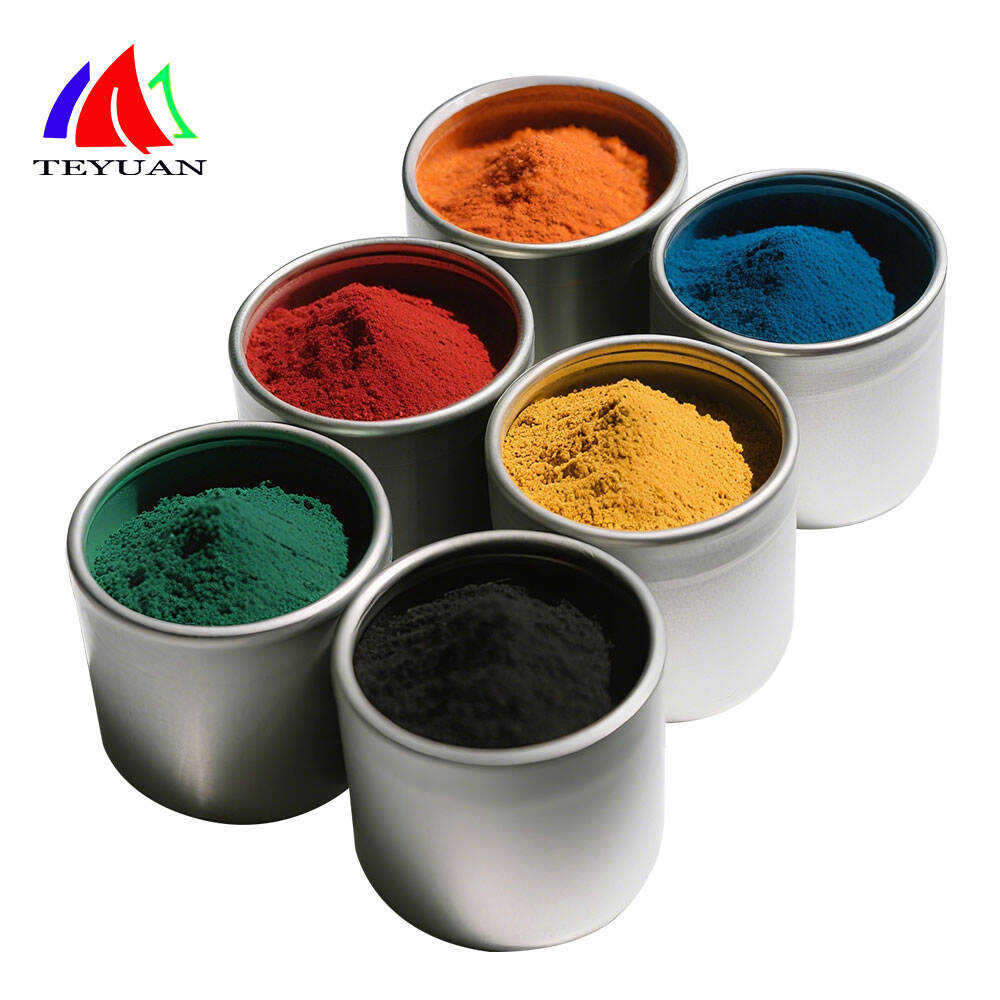
Iron oxide pigments have become indispensable components across numerous industrial sectors, offering unmatched versatility and performance characteristics that continue to drive innovation in manufacturing and construction applications. These naturally occurring and synthetically produced compounds provide exceptional color stability, weather resistance, and chemical durability that make them the preferred choice for demanding industrial environments. The global demand for iron oxide pigments continues to expand as industries recognize their superior properties and cost-effectiveness compared to alternative coloring solutions.
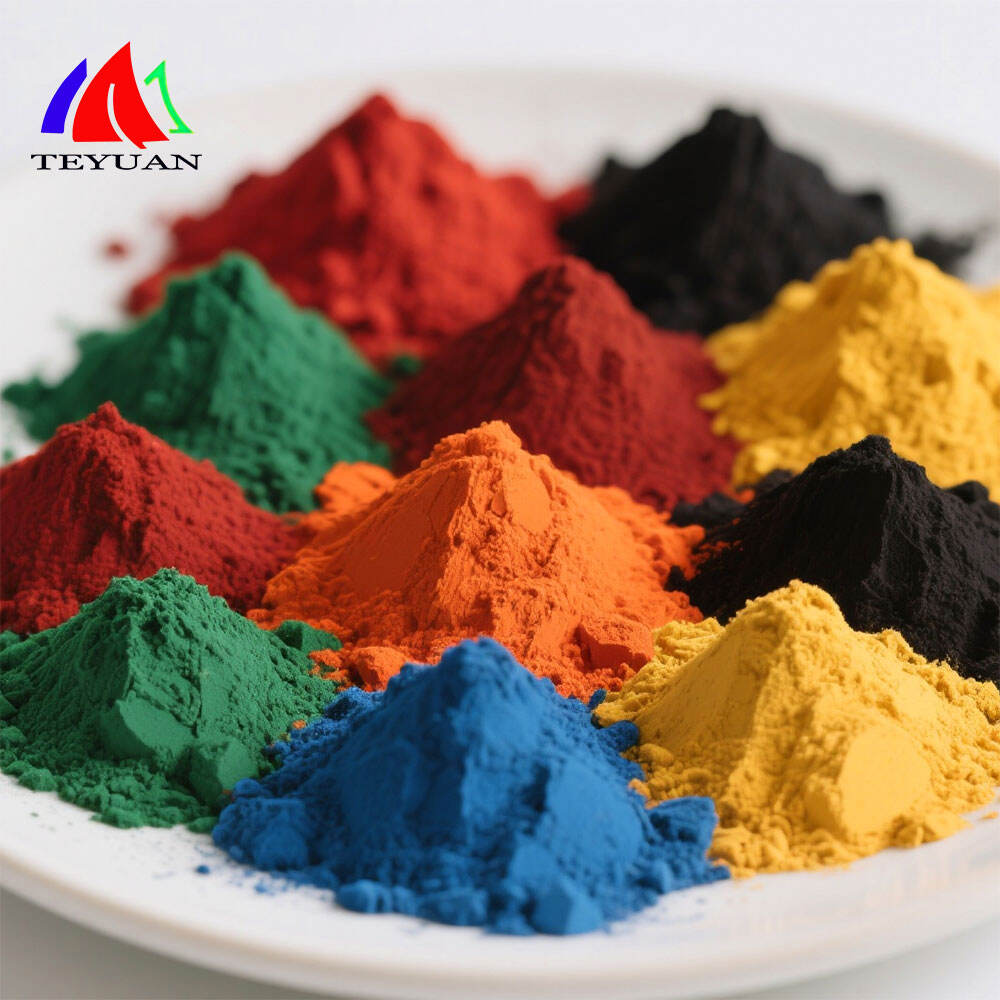
Manufacturing professionals increasingly rely on iron oxide pigments for their ability to deliver consistent color reproduction and long-lasting performance across diverse applications. The chemical stability of these compounds ensures that products maintain their intended appearance even under extreme environmental conditions, making them essential for outdoor applications and industrial processes that demand reliable color retention. Modern production techniques have enhanced the purity and consistency of iron oxide pigments, enabling manufacturers to achieve precise color matching and quality control standards.
The economic advantages of using iron oxide pigments extend beyond their initial cost savings, as their exceptional durability reduces maintenance requirements and extends product lifecycles. Industries benefit from reduced replacement costs and improved customer satisfaction when incorporating these high-performance pigments into their manufacturing processes. The environmental benefits of iron oxide pigments also contribute to sustainable manufacturing practices, as many formulations utilize recycled materials and produce minimal waste during production.
Construction Industry Applications
Concrete and Cement Enhancement
The construction industry has embraced iron oxide pigments as essential additives for enhancing both the aesthetic appeal and functional properties of concrete and cement products. These pigments integrate seamlessly into concrete mixtures, providing uniform color distribution throughout the entire structure while maintaining the structural integrity of the base material. Professional contractors appreciate how iron oxide pigments resist fading, chalking, and weathering, ensuring that architectural elements retain their visual appeal for decades without requiring costly refinishing.
Modern concrete applications benefit from the superior lightfastness of iron oxide pigments, which prevents color degradation even under intense ultraviolet exposure. Construction projects incorporating these pigments achieve remarkable color consistency across large surface areas, eliminating the patchy appearance that often results from inferior coloring systems. The chemical compatibility of iron oxide pigments with cement compounds prevents adverse reactions that could compromise structural performance or appearance quality.
Specialized formulations of iron oxide pigments enable contractors to achieve custom color specifications while maintaining optimal workability of concrete mixtures. The particle size distribution of quality iron oxide pigments ensures proper dispersion throughout the concrete matrix, preventing color variations and ensuring predictable results across different batches. These characteristics make iron oxide pigments the preferred choice for high-profile architectural projects where color consistency and longevity are paramount concerns.
Architectural Coatings and Finishes
Architectural coatings formulated with iron oxide pigments deliver superior performance characteristics that meet the demanding requirements of commercial and residential construction projects. These pigments provide excellent hiding power, reducing the number of coating layers required to achieve complete coverage while maintaining vibrant color saturation. The thermal stability of iron oxide pigments ensures that coated surfaces maintain their appearance even when exposed to extreme temperature fluctuations common in various climatic conditions.
Professional painters and coating applicators value the consistent flow and leveling properties that iron oxide pigments impart to paint formulations. The uniform particle size of these pigments prevents settling and separation issues that can compromise coating quality and application efficiency. Surface preparation requirements are minimized when using coatings containing iron oxide pigments, as their excellent adhesion properties ensure proper bonding to various substrate materials.
The corrosion resistance properties of iron oxide pigments provide additional protective benefits for metal surfaces in construction applications. These pigments form stable barrier layers that prevent moisture and chemical penetration, extending the service life of coated metal components. The compatibility of iron oxide pigments with various resin systems allows formulators to develop specialized coatings for specific environmental conditions and performance requirements.
Industrial Manufacturing Applications
Plastic and Polymer Processing
The plastics industry relies heavily on iron oxide pigments to achieve precise color specifications while maintaining the physical properties of polymer matrices. These pigments demonstrate exceptional thermal stability during high-temperature processing operations, preventing color degradation that could compromise product quality or appearance. The non-bleeding characteristics of iron oxide pigments ensure that colored plastic products maintain their intended appearance without color migration or surface contamination.
Injection molding and extrusion processes benefit from the excellent dispersion properties of iron oxide pigments, which distribute evenly throughout polymer melts without requiring extensive mixing cycles. This efficiency reduces processing time and energy consumption while ensuring consistent color distribution throughout finished products. The chemical inertness of iron oxide pigments prevents adverse reactions with polymer stabilizers and processing aids, maintaining optimal material properties.
Quality control procedures in plastic manufacturing are simplified when using iron oxide pigments due to their predictable behavior and consistent performance characteristics. These pigments enable manufacturers to achieve tight color tolerances across production runs, reducing waste and improving customer satisfaction. The compatibility of iron oxide pigments with recycled plastic materials supports sustainable manufacturing practices while maintaining color quality standards.
Metal Finishing and Surface Treatment
Metal finishing operations utilize iron oxide pigments in various surface treatment applications to provide both decorative and protective functions. These pigments demonstrate excellent adhesion to metal substrates when incorporated into primer and topcoat formulations, creating durable finishes that resist corrosion and mechanical damage. The electrochemical properties of iron oxide pigments contribute to cathodic protection systems, extending the service life of treated metal components.
Powder coating applications benefit significantly from the electrostatic properties of iron oxide pigments, which enhance coating transfer efficiency and reduce material waste during application. The particle morphology of these pigments promotes optimal flow and leveling characteristics in powder coatings, resulting in smooth, uniform finishes without orange peel or other surface defects. Temperature stability during curing processes ensures that iron oxide pigments maintain their color integrity throughout the coating application cycle.
Specialized metal finishing applications, including automotive and aerospace components, require the exceptional performance characteristics that iron oxide pigments provide. These pigments meet stringent quality standards for color consistency, durability, and environmental resistance required in demanding industrial applications. The regulatory compliance of iron oxide pigments simplifies approval processes for products destined for highly regulated markets.
Performance Characteristics and Technical Properties
Chemical Stability and Durability
The outstanding chemical stability of iron oxide pigments results from their crystalline structure and chemical composition, which resist degradation from acids, alkalis, and organic solvents commonly encountered in industrial environments. These pigments maintain their color intensity and hiding power even when exposed to aggressive chemical conditions that would compromise alternative pigment systems. The molecular structure of iron oxide pigments provides inherent resistance to oxidation and reduction reactions that could alter their appearance or performance characteristics.
Accelerated weathering tests demonstrate the superior durability of iron oxide pigments compared to organic colorants and other inorganic alternatives. These pigments resist photochemical degradation caused by ultraviolet radiation, maintaining their color strength and saturation throughout extended exposure periods. The thermal cycling resistance of iron oxide pigments ensures stable performance in applications subject to repeated heating and cooling cycles.
Long-term field studies confirm that products colored with iron oxide pigments maintain their appearance and functionality for decades without requiring replacement or refinishing. This exceptional durability translates into significant cost savings over product lifecycles, making iron oxide pigments an economically attractive choice for manufacturers and end users. The predictable aging characteristics of these pigments enable accurate service life predictions and maintenance planning.
Color Range and Customization Options
The extensive color palette available with iron oxide pigments encompasses a broad spectrum from deep reds and vibrant yellows to rich browns and intense blacks, providing designers and manufacturers with virtually unlimited creative possibilities. Advanced processing techniques enable the production of iron oxide pigments with specific hue angles and saturation levels to match precise color specifications. The ability to blend different iron oxide pigments creates custom colors while maintaining the superior performance characteristics of the base materials.
Particle size control during iron oxide pigment manufacturing allows for fine-tuning of opacity, tinting strength, and surface texture characteristics to meet specific application requirements. Smaller particle sizes provide increased tinting strength and smoother finishes, while larger particles offer enhanced opacity and texture effects. The relationship between particle size and performance characteristics enables formulators to optimize pigment selection for individual applications.
Quality assurance procedures ensure consistent color reproduction across different production batches of iron oxide pigments, enabling manufacturers to maintain strict color tolerances in their finished products. Spectrophotometric analysis and standardized color matching protocols guarantee that replacement pigment shipments will match previously supplied materials. This consistency is crucial for applications where color matching across multiple production runs or repair applications is essential.
Environmental Benefits and Sustainability
Eco-Friendly Manufacturing Processes
Modern production methods for iron oxide pigments emphasize environmental responsibility through reduced energy consumption, minimized waste generation, and recycling of process materials. Many iron oxide pigments are produced using waste iron materials from steel manufacturing, converting industrial byproducts into valuable pigment products while reducing landfill waste. These sustainable production practices align with corporate environmental goals and regulatory requirements for responsible manufacturing.
Water treatment and recovery systems in iron oxide pigment manufacturing facilities ensure that process water is recycled and reused, minimizing freshwater consumption and eliminating liquid waste streams. Advanced filtration and purification technologies enable manufacturers to achieve zero liquid discharge in many production facilities, demonstrating their commitment to environmental stewardship. The energy efficiency of modern production equipment reduces the carbon footprint associated with iron oxide pigment manufacturing.
Life cycle assessment studies confirm that iron oxide pigments have lower environmental impacts compared to many alternative coloring systems when considering raw material extraction, manufacturing, use, and disposal phases. The longevity of products colored with iron oxide pigments reduces the frequency of replacement and associated environmental impacts. Recyclability of materials containing iron oxide pigments supports circular economy principles and reduces waste generation.
Health and Safety Considerations
Iron oxide pigments demonstrate excellent safety profiles for human health and environmental exposure, making them suitable for use in consumer products and applications where safety is paramount. Toxicological studies confirm that iron oxide pigments are non-toxic and do not pose carcinogenic risks under normal use conditions. The chemical inertness of these pigments prevents the release of harmful substances during processing or end-use applications.
Regulatory approvals from international agencies confirm the safety of iron oxide pigments for use in food contact materials, cosmetics, and pharmaceutical applications where strict safety standards must be met. These approvals reflect extensive testing and evaluation of potential health risks associated with iron oxide pigment exposure. The biocompatibility of certain iron oxide pigments enables their use in medical device applications where direct contact with biological tissues may occur.
Workplace safety protocols for handling iron oxide pigments are straightforward and require only standard industrial hygiene practices to prevent inhalation of particulate matter. Personal protective equipment requirements are minimal compared to many other industrial chemicals, reducing compliance costs and training requirements for employees. The non-flammable nature of iron oxide pigments eliminates fire and explosion hazards associated with some organic colorants.
Quality Control and Testing Methods
Analytical Testing Procedures
Comprehensive quality control programs for iron oxide pigments incorporate multiple analytical testing methods to ensure consistent product performance and compliance with specifications. X-ray diffraction analysis confirms the crystalline phase composition of iron oxide pigments, which directly influences their color properties and stability characteristics. Chemical analysis techniques verify the purity and composition of pigment samples, detecting trace impurities that could affect performance or color quality.
Particle size distribution measurements using laser diffraction or microscopy techniques provide critical data for predicting dispersion behavior and application performance of iron oxide pigments. Surface area analysis helps determine the hiding power and tinting strength characteristics that influence pigment loading requirements in various formulations. These physical property measurements enable formulators to select optimal pigment grades for specific applications.
Color measurement using spectrophotometry provides quantitative data for color matching and quality control purposes, ensuring that production batches meet specified color tolerances. Standardized test methods for lightfastness, weather resistance, and chemical resistance provide objective performance data that enables proper pigment selection for demanding applications. These testing protocols ensure that iron oxide pigments meet or exceed customer expectations for quality and performance.
Performance Validation Testing
Field testing programs validate the real-world performance of iron oxide pigments under actual use conditions, providing valuable data for application optimization and product development initiatives. Exposure testing in various climatic conditions demonstrates the weather resistance capabilities of iron oxide pigments and identifies any regional performance variations. These studies help manufacturers provide accurate service life predictions and application guidelines for customers.
Compatibility testing ensures that iron oxide pigments perform properly when combined with various binders, additives, and substrate materials commonly encountered in industrial applications. These tests identify potential incompatibilities that could compromise performance or appearance quality, enabling formulators to avoid problematic combinations. Processing trials under production conditions verify that iron oxide pigments maintain their properties throughout manufacturing processes.
Customer validation programs allow end users to evaluate iron oxide pigments in their specific applications before making large-scale commitments, reducing the risk of performance issues and ensuring optimal results. Technical support during these evaluations helps customers optimize their formulations and processing parameters for maximum benefit from iron oxide pigments. Feedback from these programs drives continuous improvement in pigment quality and performance characteristics.
Future Trends and Innovations
Advanced Manufacturing Technologies
Emerging manufacturing technologies for iron oxide pigments focus on precise control of particle morphology, size distribution, and surface characteristics to enhance performance in specialized applications. Nanotechnology approaches enable the production of iron oxide pigments with unique optical and functional properties that expand their application possibilities. These advanced materials offer improved transparency, enhanced magnetic properties, or specialized surface functionality while maintaining the excellent stability characteristics of conventional iron oxide pigments.
Process automation and artificial intelligence systems optimize production parameters in real-time to ensure consistent product quality and minimize variations between production batches. Smart manufacturing technologies enable rapid adjustment of processing conditions to accommodate custom color specifications or performance requirements. These innovations reduce production costs while improving quality consistency and customer satisfaction.
Sustainable manufacturing initiatives continue to drive innovations in iron oxide pigment production, including the development of energy-efficient processes and the utilization of renewable energy sources. Circular economy principles are being integrated into production planning, maximizing the use of recycled materials and minimizing waste generation. These environmental improvements enhance the sustainability profile of iron oxide pigments while maintaining their performance advantages.
Emerging Application Areas
New application areas for iron oxide pigments continue to emerge as industries discover their unique properties and performance benefits. The electronics industry is exploring the use of specialized iron oxide pigments in electromagnetic interference shielding applications and magnetic storage devices. These applications leverage the magnetic properties of certain iron oxide pigments while benefiting from their chemical stability and processing characteristics.
Renewable energy applications present growing opportunities for iron oxide pigments in solar panel manufacturing, wind turbine components, and energy storage systems. The weather resistance and color stability of these pigments make them ideal for outdoor renewable energy installations that must maintain their appearance and functionality for decades. Specialized formulations are being developed to meet the specific requirements of these emerging applications.
Advanced coating systems incorporating iron oxide pigments are being developed for aerospace, automotive, and marine applications where extreme performance requirements must be met. These coatings provide enhanced corrosion protection, improved radar absorption characteristics, or specialized optical properties while maintaining the proven durability of iron oxide pigments. Research into multifunctional coatings continues to expand the potential applications for these versatile materials.
FAQ
What makes iron oxide pigments superior to other coloring agents for industrial applications
Iron oxide pigments offer exceptional chemical stability, weather resistance, and color fastness that surpass most organic and alternative inorganic colorants. Their crystalline structure provides inherent resistance to fading, chalking, and chemical degradation, making them ideal for demanding industrial environments. The cost-effectiveness of iron oxide pigments, combined with their long-term durability, provides significant economic advantages over alternative coloring systems that may require frequent replacement or maintenance.
How do iron oxide pigments affect the mechanical properties of concrete and other construction materials
Iron oxide pigments are chemically inert and do not adversely affect the mechanical properties of concrete, cement, or other construction materials when used at recommended dosage levels. These pigments integrate seamlessly into concrete mixtures without compromising compressive strength, flexural strength, or durability characteristics. The particle size and chemical composition of iron oxide pigments are specifically designed to maintain the structural integrity of host materials while providing superior coloration.
What quality control measures ensure consistent performance of iron oxide pigments across different production batches
Comprehensive quality control programs include rigorous testing of chemical composition, particle size distribution, color properties, and performance characteristics for every production batch. Advanced analytical instruments monitor critical parameters throughout the manufacturing process to ensure consistency and compliance with specifications. Statistical process control methods track quality trends and enable proactive adjustments to maintain product uniformity across all shipments.
Are there specific handling or storage requirements for iron oxide pigments in industrial applications
Iron oxide pigments require standard industrial handling practices, including protection from moisture and contamination during storage and transport. These pigments should be stored in dry, well-ventilated areas away from incompatible chemicals, though they are generally stable under normal warehouse conditions. Personal protective equipment such as dust masks should be used during handling to prevent inhalation of particulate matter, following standard industrial hygiene protocols for powdered materials.
Table of Contents
- Construction Industry Applications
- Industrial Manufacturing Applications
- Performance Characteristics and Technical Properties
- Environmental Benefits and Sustainability
- Quality Control and Testing Methods
- Future Trends and Innovations
-
FAQ
- What makes iron oxide pigments superior to other coloring agents for industrial applications
- How do iron oxide pigments affect the mechanical properties of concrete and other construction materials
- What quality control measures ensure consistent performance of iron oxide pigments across different production batches
- Are there specific handling or storage requirements for iron oxide pigments in industrial applications