 EN
EN

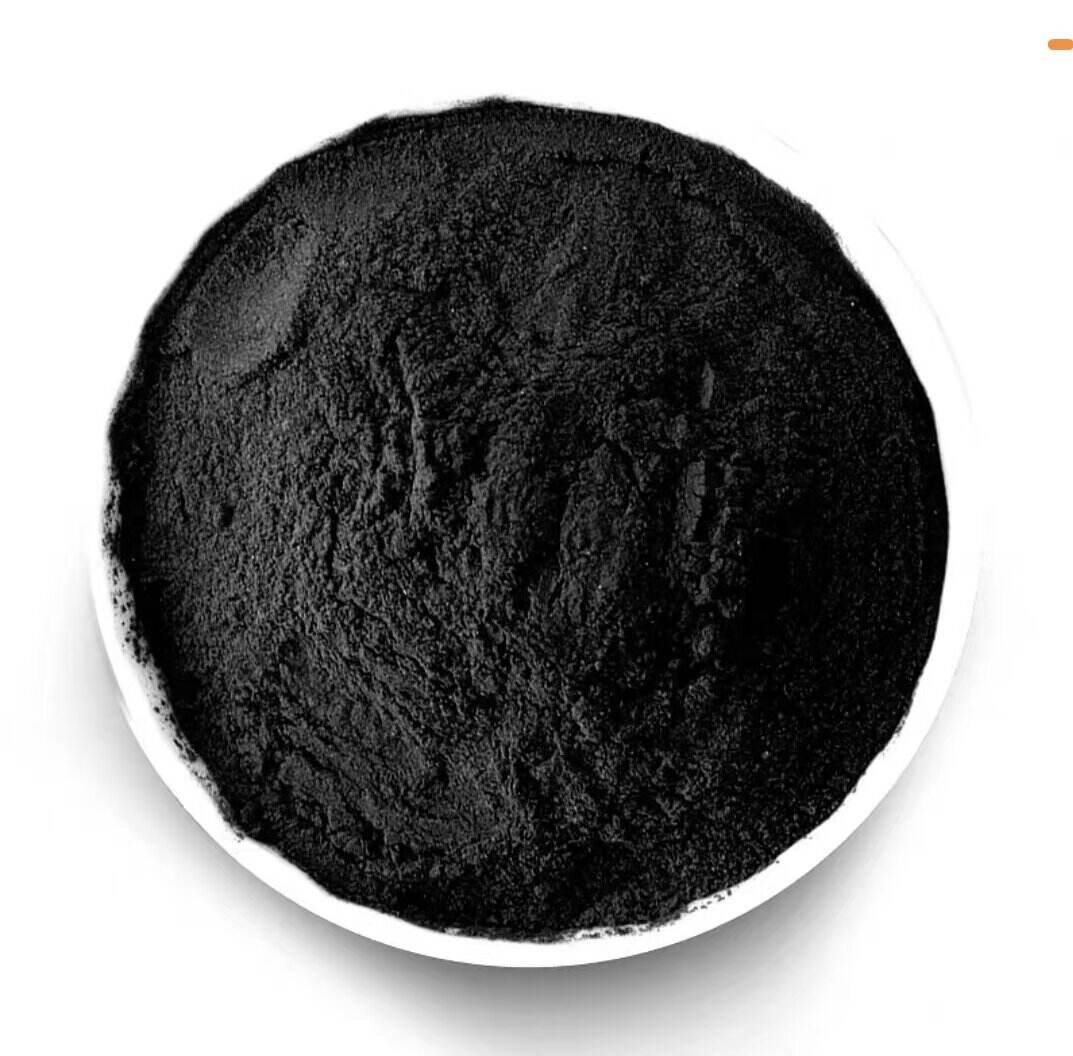
Iron oxide black pigments have revolutionized the industrial coloring landscape with their exceptional properties and versatile applications. These synthetic inorganic pigments represent one of the most reliable and cost-effective solutions for achieving deep, consistent black coloration across numerous industries. The unique characteristics of iron oxide black pigments make them indispensable in construction, coatings, plastics, and various manufacturing processes where color stability and performance are paramount.
Chemical Composition and Manufacturing Process
Fundamental Chemical Structure
The chemical foundation of iron oxide black pigments lies in their precise molecular composition, primarily consisting of magnetite (Fe3O4) and other iron oxide compounds. This specific crystalline structure provides the pigment with its distinctive deep black appearance and remarkable stability properties. Unlike organic black pigments, iron oxide black pigments maintain their molecular integrity under extreme conditions, making them ideal for demanding industrial applications where consistency is crucial.
The manufacturing process involves controlled oxidation of iron compounds under specific temperature and atmospheric conditions. This synthetic production method ensures consistent particle size distribution and color uniformity, which are essential characteristics for professional-grade pigment applications. The resulting iron oxide black pigments exhibit superior dispersion qualities and enhanced compatibility with various binding systems.
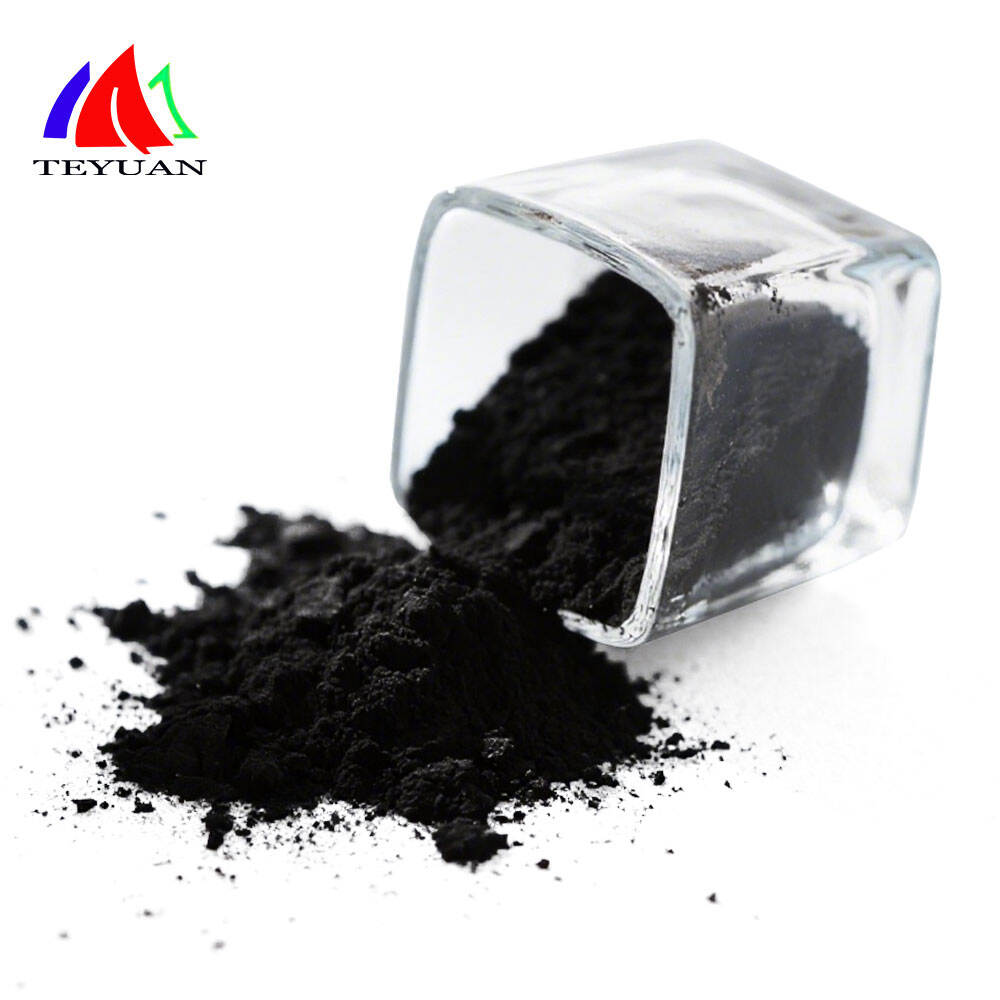
Advanced Production Techniques
Modern production facilities utilize sophisticated precipitation and calcination processes to create high-quality iron oxide black pigments with optimized performance characteristics. These advanced manufacturing techniques allow for precise control over particle morphology, surface area, and oil absorption properties. The careful regulation of production parameters ensures that each batch of iron oxide black pigments meets stringent quality standards required for professional applications.
Quality control measures throughout the manufacturing process include spectrophotometric analysis, particle size measurement, and compatibility testing with various matrix materials. These comprehensive testing protocols guarantee that iron oxide black pigments deliver consistent performance across different application environments and maintain their distinctive properties throughout their service life.
Superior Color Properties and Performance
Exceptional Color Stability
One of the most remarkable features of iron oxide black pigments is their outstanding color stability under various environmental conditions. These pigments demonstrate exceptional resistance to fading when exposed to ultraviolet radiation, making them particularly valuable for outdoor applications and architectural coatings. The inherent stability of iron oxide black pigments ensures long-lasting color integrity even in harsh weather conditions.
Temperature resistance represents another crucial advantage of iron oxide black pigments compared to organic alternatives. These inorganic pigments maintain their color properties at elevated temperatures without degradation or color shift, making them suitable for high-temperature applications such as automotive coatings and industrial equipment finishes. This thermal stability extends the service life of colored products and reduces maintenance requirements.
Opacity and Tinting Strength
Iron oxide black pigments exhibit excellent opacity characteristics, providing superior hiding power that reduces the amount of pigment required to achieve desired color depth. This high opacity translates to cost-effectiveness in formulations while maintaining exceptional color uniformity across large surface areas. The tinting strength of iron oxide black pigments allows for precise color matching and consistent results in mass production environments.
The particle size distribution of iron oxide black pigments plays a crucial role in their optical properties and performance characteristics. Optimized particle morphology ensures efficient light absorption while maintaining excellent dispersion properties in various carrier systems. This combination of factors results in smooth, even color distribution without streaking or mottling in finished applications.
Diverse Industrial Applications
Construction and Building Materials
The construction industry represents one of the largest markets for iron oxide black pigments due to their exceptional performance in concrete, cement, and masonry applications. These pigments provide architects and contractors with reliable coloring solutions that maintain their appearance throughout the building's lifecycle. Iron oxide black pigments demonstrate excellent compatibility with alkaline cement environments, ensuring color stability in harsh construction conditions.
In decorative concrete applications, iron oxide black pigments enable the creation of sophisticated architectural elements with consistent color throughout the material matrix. The pigments integrate seamlessly with concrete formulations without affecting structural properties or curing characteristics. This compatibility makes iron oxide black pigments the preferred choice for stamped concrete, colored pavements, and architectural precast elements.
Coatings and Surface Protection
Industrial coatings benefit significantly from the unique properties of iron oxide black pigments, particularly in applications requiring corrosion protection and weather resistance. These pigments contribute to the overall protective performance of coating systems while providing attractive aesthetic properties. The chemical inertness of iron oxide black pigments prevents adverse reactions with coating resins and additives, ensuring system compatibility and longevity.
Automotive and aerospace industries rely on iron oxide black pigments for critical applications where color consistency and durability are essential. The pigments maintain their appearance under extreme operating conditions, including temperature fluctuations, chemical exposure, and mechanical stress. This reliability makes iron oxide black pigments indispensable for exterior automotive components and aircraft surface treatments.
Environmental Benefits and Safety Considerations
Eco-Friendly Characteristics
Iron oxide black pigments offer significant environmental advantages compared to many alternative coloring agents, particularly organic and synthetic dyes that may pose environmental concerns. These inorganic pigments demonstrate excellent biocompatibility and low toxicity profiles, making them suitable for applications where environmental impact is a primary consideration. The natural abundance of iron oxide minerals contributes to the sustainability profile of these pigments.
Manufacturing processes for iron oxide black pigments have been optimized to minimize environmental impact while maintaining product quality standards. Modern production facilities implement closed-loop water systems and energy-efficient processing techniques that reduce resource consumption and waste generation. These sustainable practices align with contemporary environmental regulations and corporate responsibility initiatives.
Safety and Regulatory Compliance
Regulatory agencies worldwide have extensively evaluated iron oxide black pigments and generally recognize them as safe for their intended applications. These pigments meet stringent safety standards for use in consumer products, construction materials, and industrial applications. The comprehensive safety profile of iron oxide black pigments includes low dust generation potential and minimal health risks when handled according to standard industrial practices.
Worker safety considerations for iron oxide black pigments focus primarily on standard dust control measures and proper handling procedures. The pigments do not generate hazardous vapors or require special ventilation systems beyond normal industrial hygiene practices. This safety profile simplifies workplace safety management and reduces compliance costs for manufacturers and end-users.
Technical Performance Characteristics
Dispersion and Processing Properties
The dispersion characteristics of iron oxide black pigments play a crucial role in their successful application across various industries. These pigments exhibit excellent wetting properties and dispersibility in both aqueous and organic systems, facilitating efficient processing and uniform color distribution. The optimized surface chemistry of iron oxide black pigments promotes compatibility with diverse binder systems and processing equipment.
Processing advantages of iron oxide black pigments include their stability during high-shear mixing operations and their resistance to agglomeration during storage and handling. These properties ensure consistent performance from batch to batch and minimize processing difficulties that can affect product quality. The robust nature of iron oxide black pigments allows for efficient manufacturing operations with minimal equipment wear and maintenance requirements.
Compatibility with Additives
Iron oxide black pigments demonstrate exceptional compatibility with various additives commonly used in industrial formulations, including dispersants, anti-foaming agents, and rheology modifiers. This compatibility extends to advanced additive systems such as nanoparticle reinforcements and smart material components. The chemical inertness of iron oxide black pigments prevents interference with additive performance while maintaining their own functional properties.
Formulation flexibility represents a significant advantage of iron oxide black pigments in complex multi-component systems. These pigments can be successfully incorporated into formulations containing other pigments, fillers, and functional additives without compromising system performance. This versatility enables formulators to develop sophisticated products that meet specific performance requirements while maintaining cost-effectiveness.
Quality Control and Testing Standards
Analytical Testing Methods
Comprehensive quality control protocols for iron oxide black pigments involve multiple analytical techniques to ensure consistent product performance and customer satisfaction. Spectrophotometric analysis provides precise color measurement and enables batch-to-batch consistency monitoring throughout the manufacturing process. These testing methods include both reflectance and transmission measurements to fully characterize the optical properties of iron oxide black pigments.
Physical property testing encompasses particle size analysis, surface area measurement, and oil absorption determination to verify that iron oxide black pigments meet specified performance criteria. Advanced instrumentation such as laser diffraction particle analyzers and nitrogen adsorption systems provide accurate and reproducible measurements. These comprehensive testing protocols ensure that iron oxide black pigments consistently deliver expected performance in customer applications.
Performance Validation
Field testing and accelerated aging studies provide valuable insights into the long-term performance characteristics of iron oxide black pigments under realistic service conditions. These evaluation programs include exposure testing in various climatic conditions and chemical environments to validate pigment stability and durability claims. The results of these comprehensive studies guide product development and application recommendations for iron oxide black pigments.
Customer application testing represents an essential component of quality assurance for iron oxide black pigments, involving collaboration with end-users to verify performance in specific application environments. These partnership programs ensure that iron oxide black pigments meet the unique requirements of diverse industries and applications while identifying opportunities for product optimization and enhancement.
FAQ
What makes iron oxide black pigments superior to organic black pigments
Iron oxide black pigments offer superior heat stability, UV resistance, and chemical inertness compared to organic alternatives. They maintain their color properties at temperatures exceeding 180°C and demonstrate excellent lightfastness under prolonged sun exposure. Additionally, iron oxide black pigments provide better opacity and hiding power, requiring lower loading levels to achieve desired color depth while offering improved cost-effectiveness in most applications.
How do iron oxide black pigments perform in alkaline environments like concrete
Iron oxide black pigments exhibit excellent stability in highly alkaline conditions typical of concrete and cement applications. Their inorganic nature prevents degradation in the high pH environment of fresh concrete, ensuring color consistency throughout the curing process and service life. These pigments do not react with cement hydration products and maintain their structural integrity even in aggressive alkaline conditions exceeding pH 12.
What are the key factors affecting the dispersion of iron oxide black pigments
Successful dispersion of iron oxide black pigments depends on particle size distribution, surface chemistry, and processing conditions. Optimal results require appropriate dispersant selection, adequate mixing energy, and proper wetting of pigment particles. The surface treatment of iron oxide black pigments can be customized to enhance compatibility with specific binder systems, while processing parameters such as mixing speed and time must be optimized for each application.
Are there any limitations or considerations when using iron oxide black pigments
While iron oxide black pigments offer numerous advantages, considerations include their relatively high density compared to organic pigments and potential for settling in low-viscosity systems. They may require anti-settling additives in certain formulations and careful attention to dispersion quality to prevent color variations. Additionally, iron oxide black pigments have limited solubility in organic solvents, making them primarily suitable for dispersion-based systems rather than solution applications.
Table of Contents
- Chemical Composition and Manufacturing Process
- Superior Color Properties and Performance
- Diverse Industrial Applications
- Environmental Benefits and Safety Considerations
- Technical Performance Characteristics
- Quality Control and Testing Standards
-
FAQ
- What makes iron oxide black pigments superior to organic black pigments
- How do iron oxide black pigments perform in alkaline environments like concrete
- What are the key factors affecting the dispersion of iron oxide black pigments
- Are there any limitations or considerations when using iron oxide black pigments