 EN
EN

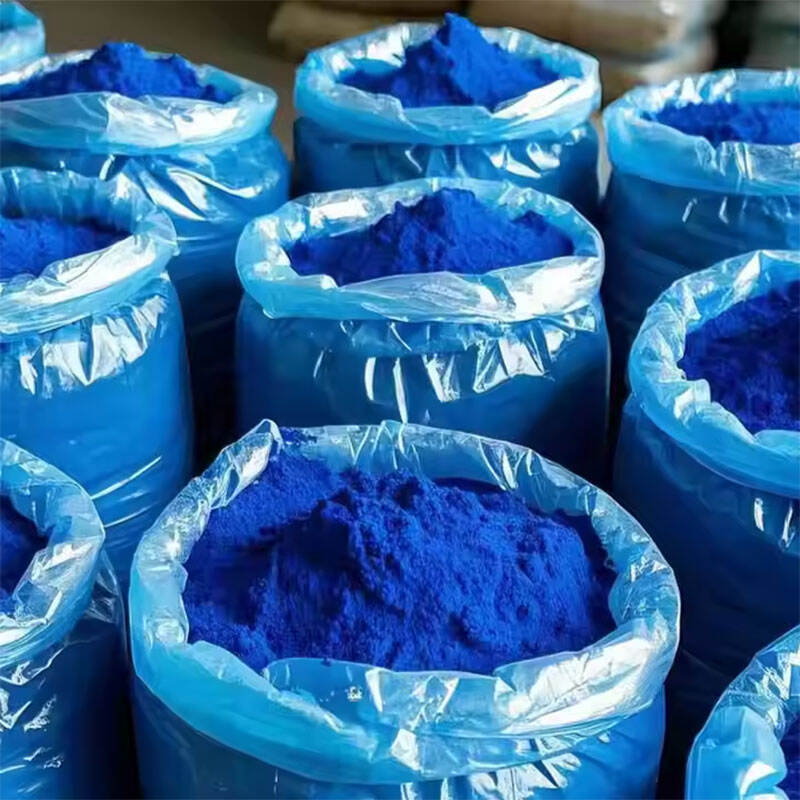
Phthalocyanine blue stands as one of the most revolutionary synthetic pigments ever developed, fundamentally transforming how artists create vivid masterpieces and how industries achieve consistent, brilliant coloration across countless applications. This remarkable synthetic compound has redefined color standards since its accidental discovery in the 1920s, offering unprecedented lightfastness, chemical stability, and chromatic intensity that natural pigments simply cannot match. The transformative power of phthalocyanine blue extends far beyond traditional boundaries, penetrating diverse sectors from fine arts to automotive manufacturing, textile production, and high-performance industrial coatings.
The stunning transformation brought by phthalocyanine blue stems from its unique molecular structure, which creates an extraordinarily stable chromophore capable of maintaining brilliant color integrity under extreme conditions where other pigments would fade, shift, or deteriorate. This synthetic marvel delivers transformative results through its exceptional tinting strength, allowing manufacturers and artists to achieve intense coloration with minimal pigment loading, while its outstanding weather resistance ensures long-lasting visual impact across outdoor applications, architectural projects, and industrial products exposed to harsh environmental conditions.
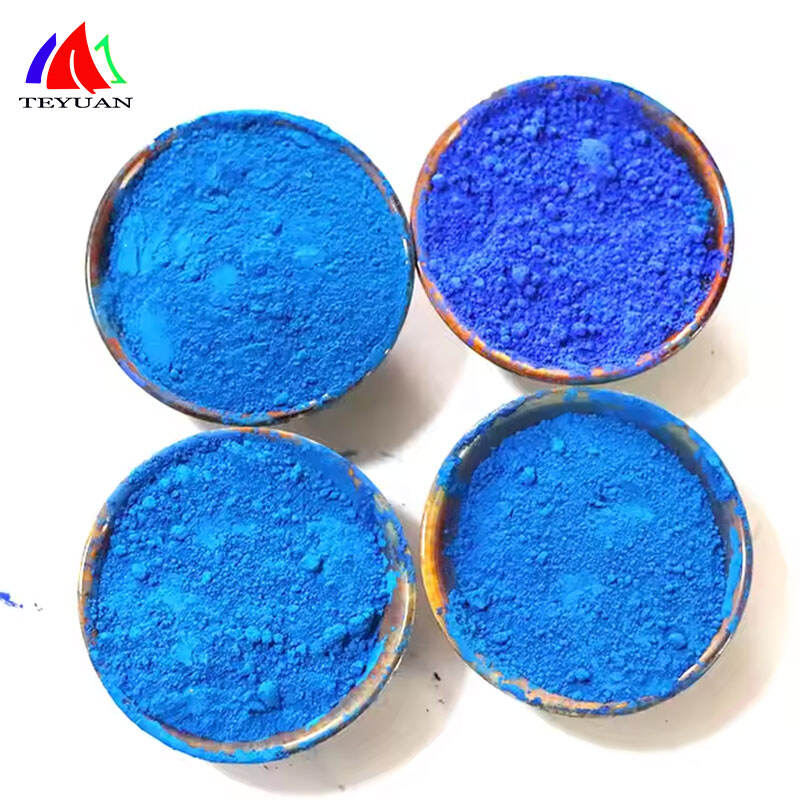
Revolutionary Color Chemistry Behind Phthalocyanine Blue
Molecular Structure and Color Generation Mechanism
The transformative power of phthalocyanine blue originates from its sophisticated molecular architecture, featuring a central copper ion coordinated within a planar macrocyclic ring system that creates exceptional chromatic properties. This complex molecular arrangement generates intense blue coloration through selective light absorption in the red and yellow spectral regions while strongly reflecting blue wavelengths, resulting in the characteristic brilliant azure appearance that has revolutionized color applications. The rigid planar structure of phthalocyanine blue molecules prevents conformational changes that typically cause color shifts in less stable pigments, ensuring consistent chromatic performance across diverse environmental conditions.
The electronic configuration within phthalocyanine blue creates delocalized π-electron systems that contribute to exceptional color intensity and stability, allowing this synthetic pigment to maintain its stunning visual impact even under extreme temperature fluctuations, intense UV radiation, and chemical exposure that would degrade natural alternatives. Industrial applications benefit tremendously from this molecular stability, as products formulated with phthalocyanine blue maintain their aesthetic appeal and functional properties throughout extended service lives, reducing maintenance costs and improving overall product reliability.
Crystal Polymorphism and Performance Variations
Different crystal forms of phthalocyanine blue exhibit varying performance characteristics that allow manufacturers to select optimal variants for specific transformation requirements, with alpha and beta polymorphs offering distinct advantages in different application scenarios. The alpha form of phthalocyanine blue typically provides enhanced transparency and cleaner undertones, making it ideal for artistic applications where color purity is paramount, while the beta form delivers superior opacity and coverage, proving invaluable in industrial coatings and high-performance applications requiring maximum hiding power.
Surface treatments and particle size modifications further enhance the transformative capabilities of phthalocyanine blue, enabling formulators to optimize dispersion characteristics, rheological properties, and compatibility with various binder systems. These controlled modifications allow phthalocyanine blue to integrate seamlessly into water-based systems, solvent-based formulations, and specialized applications such as digital printing inks, where precise particle size distribution ensures smooth flow and consistent color reproduction across high-speed production environments.
Artistic Transformation Through Phthalocyanine Blue Innovation
Fine Arts and Professional Painting Applications
Professional artists have embraced phthalocyanine blue as a transformative medium that enables unprecedented creative expression through its exceptional mixing capabilities and lightfast properties that preserve artistic integrity for generations. Unlike traditional ultramarine or Prussian blue pigments, phthalocyanine blue offers superior mixing characteristics that produce clean, vibrant secondary colors without the muddiness or color shifting that can compromise artistic vision. The high tinting strength of phthalocyanine blue allows artists to achieve intense coloration with minimal paint consumption, making it an economically advantageous choice for large-scale works and professional production.
The transformative impact of phthalocyanine blue extends to various painting techniques, from traditional oil and acrylic applications to innovative mixed-media approaches where color stability is crucial for long-term artistic preservation. Professional conservators specifically recommend phthalocyanine blue for restoration projects and museum-quality artworks due to its exceptional lightfastness ratings and chemical inertness that prevents unwanted interactions with other pigments or binder materials.
Digital Art and Modern Creative Technologies
Contemporary digital artists and graphic designers rely on phthalocyanine blue standards to ensure accurate color reproduction across various output media, from high-resolution displays to professional printing systems where color consistency is critical for commercial success. The precise spectral characteristics of phthalocyanine blue serve as reference points for digital color management systems, enabling seamless translation between digital designs and physical products. This standardization has transformed how creative professionals approach color-critical projects, providing confidence that digital concepts will translate accurately to final manufactured goods.
Modern printing technologies leverage the exceptional performance characteristics of phthalocyanine blue to achieve stunning color reproduction in applications ranging from fine art reproductions to high-volume commercial printing, where consistency and durability are paramount concerns. The pigment's compatibility with both traditional offset printing and advanced digital printing technologies makes it an indispensable component in contemporary graphic arts production, enabling creative professionals to achieve transformative visual results across diverse media platforms.
Industrial Applications and Manufacturing Transformation
Automotive and Transportation Industries
Automotive manufacturers have integrated phthalocyanine blue into high-performance coating systems that deliver transformative aesthetic appeal while meeting stringent durability requirements for vehicles exposed to extreme weather conditions, road chemicals, and UV radiation. The exceptional weather resistance of phthalocyanine blue ensures that automotive finishes maintain their stunning appearance throughout extended service lives, reducing warranty claims and enhancing customer satisfaction. Advanced formulations incorporating phthalocyanine blue enable automotive designers to achieve sophisticated metallic and pearl effects that create distinctive visual identities for premium vehicle lines.
Transportation applications beyond passenger vehicles, including commercial trucks, aircraft, and marine vessels, benefit from the transformative protection offered by phthalocyanine blue formulations that resist fading, chalking, and color migration under demanding operational conditions. The chemical inertness of phthalocyanine blue prevents interactions with fuel vapors, hydraulic fluids, and cleaning solvents commonly encountered in transportation environments, ensuring long-term color integrity and reducing maintenance requirements for fleet operators and commercial users.
Textile and Fashion Industry Revolution
Textile manufacturers have embraced phthalocyanine blue as a transformative dyeing and printing solution that delivers vibrant, long-lasting coloration across natural and synthetic fiber systems while meeting increasingly strict environmental and performance standards. The excellent fastness properties of phthalocyanine blue enable textile producers to create garments and home furnishings that maintain their stunning appearance through repeated washing cycles, exposure to sunlight, and normal wear conditions. This durability has revolutionized consumer expectations for textile products, driving demand for higher-quality materials that justify premium pricing.
Fashion designers increasingly specify phthalocyanine blue formulations for luxury garments and technical textiles where color performance is critical for brand positioning and functional requirements. The pigment's compatibility with various fiber types and dyeing processes enables textile manufacturers to achieve consistent coloration across complex garment constructions involving multiple fabric components, ensuring seamless aesthetic integration in finished products that meet demanding fashion industry standards for color accuracy and performance.
Advanced Industrial and Technical Applications
Plastics and Polymer Coloration Systems
Polymer manufacturers rely on phthalocyanine blue to achieve transformative coloration in high-performance plastic applications where thermal stability and chemical resistance are essential for product success in demanding industrial environments. The exceptional heat resistance of phthalocyanine blue enables successful processing in high-temperature polymer systems, including engineering thermoplastics and thermosets used in automotive, aerospace, and electronics applications where color consistency must be maintained throughout aggressive processing cycles. This thermal stability prevents color degradation during injection molding, extrusion, and other fabrication processes that subject materials to elevated temperatures.
Specialized plastic applications, including outdoor furniture, architectural components, and industrial equipment, benefit from the transformative weather resistance provided by phthalocyanine blue formulations that maintain aesthetic appeal and functional properties throughout extended outdoor exposure. The pigment's chemical inertness prevents reactions with polymer additives, processing aids, and environmental contaminants that could compromise product performance or appearance, ensuring reliable long-term service in critical applications where failure is not acceptable.
Coatings and Surface Protection Technologies
Industrial coating manufacturers incorporate phthalocyanine blue into high-performance protective systems that deliver transformative visual appeal while providing essential barrier properties for metal substrates, concrete structures, and specialized equipment exposed to corrosive environments. The exceptional lightfastness and chemical resistance of phthalocyanine blue enable coating formulations to maintain their protective and aesthetic functions throughout extended service lives, reducing maintenance costs and improving asset reliability for industrial facility operators. Marine coatings specifically benefit from phthalocyanine blue's resistance to salt water exposure and UV radiation that rapidly degrade less stable colorants.
Architectural coatings formulated with phthalocyanine blue provide transformative building aesthetics that maintain their visual impact throughout decades of weather exposure, supporting sustainable building practices by reducing repainting frequency and associated environmental impacts. The pigment's compatibility with various coating technologies, including water-based, solvent-based, and powder coating systems, enables architects and building owners to achieve sophisticated color schemes while meeting environmental regulations and performance requirements for modern construction projects.
Quality Control and Performance Optimization
Testing Standards and Color Consistency Protocols
Manufacturers implementing phthalocyanine blue must establish rigorous quality control protocols that ensure consistent color performance and transformative results across production batches, with standardized testing procedures that verify lightfastness, chemical resistance, and dispersion quality. International color standards organizations have developed specific test methods for evaluating phthalocyanine blue performance characteristics, providing manufacturers and end-users with reliable benchmarks for product selection and quality assurance. These standardized approaches enable consistent specification and procurement of phthalocyanine blue materials that meet application-specific performance requirements.
Advanced colorimetric instruments and spectrophotometric analysis techniques allow manufacturers to monitor phthalocyanine blue quality parameters throughout production and application processes, ensuring that transformative color results meet established specifications and customer expectations. Statistical process control methodologies help identify and correct variations before they impact final product quality, supporting consistent delivery of the stunning visual results that make phthalocyanine blue indispensable across diverse industrial applications.
Environmental and Safety Considerations
Modern phthalocyanine blue production and application processes incorporate comprehensive environmental management systems that minimize waste generation and ensure safe handling throughout the supply chain, supporting sustainable manufacturing practices while maintaining the transformative performance characteristics that make this pigment invaluable. Regulatory compliance requirements for phthalocyanine blue applications vary across different industries and geographic regions, necessitating careful attention to material safety data sheets, exposure limits, and disposal procedures that protect worker health and environmental quality.
Life cycle assessment studies demonstrate that the exceptional durability and performance of phthalocyanine blue contribute to overall environmental sustainability by extending product service lives and reducing replacement frequency compared to less stable alternatives. This environmental advantage, combined with the pigment's non-toxic nature and recyclability, supports corporate sustainability initiatives while delivering the transformative color performance that drives commercial success across multiple industry sectors.
FAQ
What makes phthalocyanine blue more transformative than natural blue pigments?
Phthalocyanine blue offers superior lightfastness, chemical stability, and color intensity compared to natural blue pigments like ultramarine or indigo, maintaining its stunning appearance under extreme conditions where natural alternatives would fade or deteriorate. Its synthetic molecular structure provides consistent performance and exceptional tinting strength that enables transformative results with minimal material usage.
How does phthalocyanine blue transform industrial manufacturing processes?
Phthalocyanine blue transforms manufacturing by providing reliable, consistent coloration that withstands high-temperature processing, chemical exposure, and environmental stress without degradation. This stability reduces quality control issues, minimizes waste, and enables manufacturers to achieve premium aesthetic results while maintaining operational efficiency and cost-effectiveness.
Can phthalocyanine blue transform outdoor applications effectively?
Yes, phthalocyanine blue excels in outdoor applications due to its exceptional weather resistance and UV stability, maintaining vibrant color integrity through years of environmental exposure that would destroy less stable pigments. This transformative durability makes it ideal for architectural coatings, outdoor furniture, signage, and automotive applications where long-term color retention is essential.
What industries benefit most from phthalocyanine blue transformation?
Industries benefiting most include automotive manufacturing, textile production, fine arts, architectural coatings, plastics processing, and printing, where phthalocyanine blue's combination of color intensity, stability, and processing compatibility delivers transformative improvements in product quality, durability, and aesthetic appeal compared to alternative colorant solutions.