 EN
EN
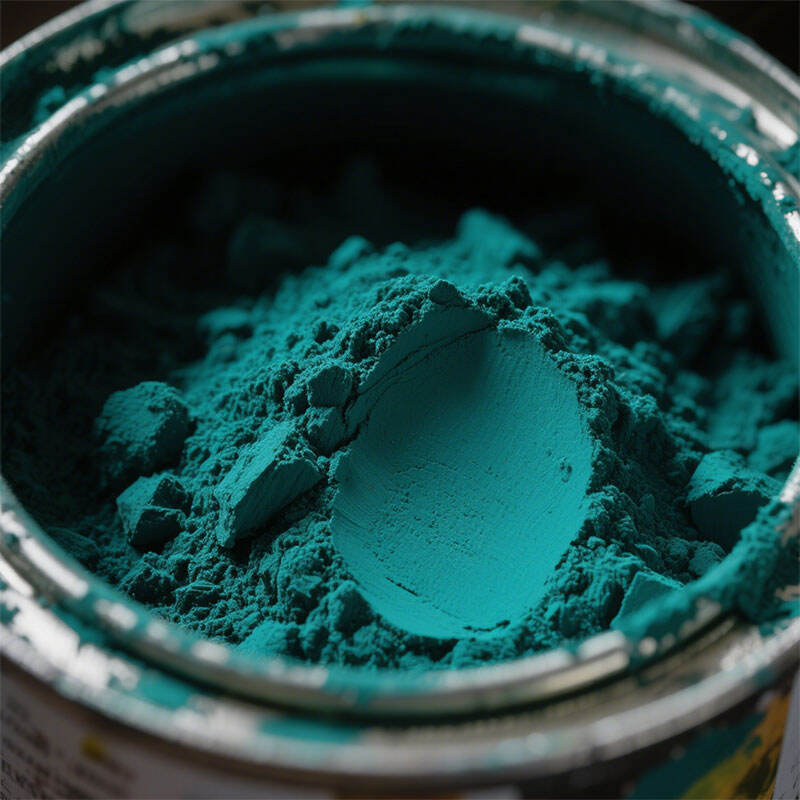
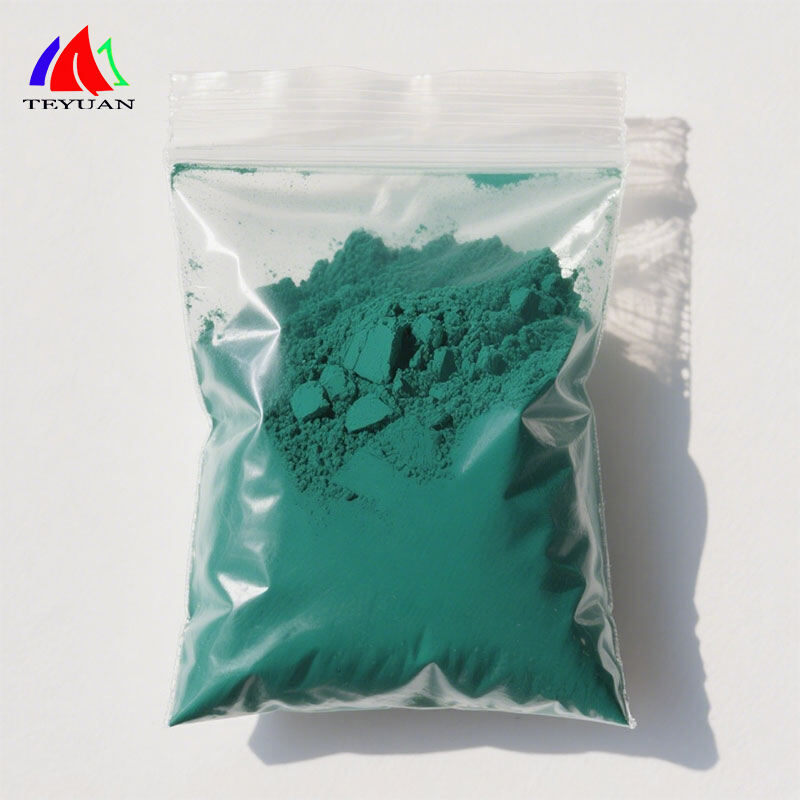
Phthalocyanine Green represents a revolutionary advancement in sustainable colorant technology, delivering exceptional vibrancy while maintaining environmental responsibility throughout its lifecycle. This synthetic organic pigment has emerged as the preferred choice for manufacturers seeking to balance performance excellence with eco-conscious production practices. The unique molecular structure of Phthalocyanine Green enables superior color stability, lightfastness, and chemical resistance, making it an indispensable component across diverse industrial applications from automotive coatings to packaging materials.
The environmental credentials of Phthalocyanine Green stem from its clean manufacturing process, absence of heavy metals, and remarkable durability that extends product lifecycles significantly. Unlike traditional green pigments that often rely on chromium or other hazardous substances, Phthalocyanine Green achieves brilliant color intensity through its copper-based phthalocyanine structure, which poses minimal environmental risk during production, application, and disposal. This pigment's exceptional performance characteristics have revolutionized industries where both color quality and environmental stewardship are critical success factors.
Environmental Benefits and Sustainability Profile
Heavy Metal-Free Composition
The fundamental advantage of Phthalocyanine Green lies in its copper-based molecular structure, which eliminates the need for toxic heavy metals commonly found in traditional green colorants. This composition significantly reduces environmental impact during manufacturing processes and prevents the release of hazardous substances into soil and water systems. The absence of chromium, lead, and cadmium makes Phthalocyanine Green compliant with stringent international environmental regulations while maintaining superior color performance.
Manufacturing facilities producing Phthalocyanine Green generate minimal hazardous waste compared to conventional pigment production operations. The synthesis process involves controlled chemical reactions that produce fewer toxic byproducts, enabling manufacturers to achieve cleaner production standards. This environmental advantage translates into reduced waste treatment costs and simplified regulatory compliance for companies throughout the supply chain.
The biocompatibility characteristics of Phthalocyanine Green make it suitable for applications where human contact is possible, including consumer products and food packaging materials. Extensive toxicological studies have demonstrated its safety profile, supporting its widespread adoption in industries with strict health and safety requirements.
Extended Product Lifecycle Benefits
Phthalocyanine Green exhibits exceptional durability properties that significantly extend the useful life of products containing this pigment. The superior lightfastness ratings ensure that green colors remain vibrant under prolonged UV exposure, reducing the frequency of repainting or replacement cycles in outdoor applications. This durability directly contributes to environmental sustainability by minimizing material consumption and waste generation over extended timeframes.
The chemical stability of Phthalocyanine Green prevents degradation under various environmental conditions, including temperature fluctuations, humidity changes, and chemical exposure. This resilience maintains color integrity in challenging applications such as automotive exteriors, marine coatings, and industrial equipment, where color retention is critical for both aesthetic and functional purposes.
Products formulated with Phthalocyanine Green require less frequent maintenance and replacement, contributing to reduced resource consumption throughout their operational lifecycle. This longevity benefit supports circular economy principles by maximizing the value extracted from raw materials and minimizing waste streams.
Vibrant Color Performance and Technical Excellence
Superior Color Strength and Saturation
The molecular architecture of Phthalocyanine Green enables exceptional color strength, allowing formulators to achieve intense green shades with relatively low pigment loadings. This efficiency reduces the overall material requirements while delivering superior color performance compared to traditional green pigments. The high tinting strength means that smaller quantities of Phthalocyanine Green can produce the desired color intensity, optimizing both cost-effectiveness and environmental impact.
The chromatic properties of Phthalocyanine Green encompass a broad spectrum of green shades, from blue-green variants to yellow-green tones, depending on the specific crystal structure and particle size distribution. This versatility enables precise color matching across diverse applications without requiring complex pigment blending strategies that might compromise performance or increase environmental complexity.
Advanced particle engineering techniques allow manufacturers to optimize the optical properties of Phthalocyanine Green for specific application requirements. Controlled particle size distribution enhances color development while maintaining excellent dispersion characteristics in various binder systems, from water-based formulations to high-performance solvent systems.
Lightfastness and Weather Resistance
Phthalocyanine Green demonstrates outstanding lightfastness ratings across multiple testing standards, including ISO and ASTM protocols for accelerated weathering exposure. This exceptional UV resistance ensures that green colors maintain their vibrancy and saturation even under intense solar radiation, making this pigment ideal for outdoor applications where color retention is critical.
The photostability mechanisms of Phthalocyanine Green involve its stable aromatic ring structure, which effectively dissipates absorbed light energy without undergoing molecular degradation. This inherent stability prevents the color fading and chalking commonly observed with less durable green pigments, particularly in architectural and automotive applications.
Extended exposure testing has validated the performance of Phthalocyanine Green in extreme climatic conditions, including high-altitude UV exposure, tropical humidity, and desert heat cycles. These comprehensive validation studies support specification decisions for critical applications where long-term color performance directly impacts product value and customer satisfaction.
Industrial Applications and Market Versatility
Plastics and Polymer Applications
Phthalocyanine Green demonstrates exceptional compatibility with thermoplastic and thermoset polymer systems, enabling vibrant coloration across diverse plastic manufacturing processes. The thermal stability of this pigment allows processing at elevated temperatures without color degradation or chemical decomposition, making it suitable for injection molding, extrusion, and compression molding operations.
The migration resistance properties of Phthalocyanine Green ensure color stability in multi-layer plastic constructions and prevent unwanted color bleeding between adjacent materials. This performance characteristic is particularly valuable in food packaging applications where regulatory compliance requires minimal extractable substances and maintained color integrity throughout the product lifecycle.
Advanced formulation techniques have expanded the application range of Phthalocyanine Green in specialty polymers, including biodegradable plastics and recycled content materials. The compatibility with sustainable polymer alternatives supports the development of environmentally responsible products without compromising color quality or performance standards.
Coatings and Paint Systems
The excellent dispersion characteristics of Phthalocyanine Green facilitate smooth incorporation into various coating systems, from architectural paints to high-performance industrial finishes. The pigment's compatibility with diverse binder technologies enables formulators to develop eco-friendly coatings while maintaining superior color development and application properties.
Waterborne coating formulations benefit particularly from the hydrophobic surface properties of Phthalocyanine Green, which prevent pigment agglomeration and ensure stable color development during application and curing processes. This stability supports the transition toward low-VOC and zero-VOC coating systems without sacrificing color performance or durability.
Industrial coating applications leverage the chemical resistance properties of Phthalocyanine Green to maintain color integrity under exposure to aggressive chemicals, solvents, and cleaning agents. This resilience makes it an ideal choice for equipment coatings, protective finishes, and specialized industrial applications where both appearance and functionality are critical.
Quality Control and Performance Standards
Manufacturing Consistency and Batch Control
Modern production facilities employ sophisticated quality control protocols to ensure consistent color properties and performance characteristics across Phthalocyanine Green production batches. Advanced analytical techniques, including spectrophotometric analysis and particle size distribution measurements, verify that each batch meets precise specifications for color strength, hue angle, and physical properties.
The synthetic nature of Phthalocyanine Green production enables tight process control and reproducible color properties, eliminating the variability often associated with natural colorants. This consistency supports automated manufacturing processes and reduces the need for extensive color matching adjustments during product formulation and production.
Statistical process control methodologies monitor critical quality parameters throughout the manufacturing cycle, ensuring that Phthalocyanine Green meets stringent industry standards for automotive, aerospace, and other demanding applications where color consistency directly impacts product acceptance and brand reputation.
Regulatory Compliance and Safety Standards
Phthalocyanine Green complies with comprehensive international safety and environmental regulations, including FDA approvals for indirect food contact applications and toy safety standards for consumer products. The extensive regulatory approval portfolio demonstrates the safety profile and environmental acceptability of this pigment across diverse market segments.
Regular toxicological assessments and environmental impact studies validate the continued safety and sustainability credentials of Phthalocyanine Green production and application processes. These ongoing evaluations ensure compliance with evolving regulatory requirements and support market access in regions with strict environmental and health protection standards.
The documentation and certification processes for Phthalocyanine Green provide manufacturers with the necessary regulatory support for global market access, including technical data sheets, safety data sheets, and regulatory status confirmations required for international trade and application approvals.
FAQ
What makes Phthalocyanine Green environmentally superior to traditional green pigments?
Phthalocyanine Green eliminates heavy metals like chromium and lead found in traditional green pigments, using a copper-based molecular structure instead. This composition reduces environmental impact during manufacturing, prevents toxic substance release into ecosystems, and enables compliance with strict international environmental regulations while delivering superior color performance and durability.
How does the durability of Phthalocyanine Green contribute to sustainability?
The exceptional lightfastness and chemical stability of Phthalocyanine Green significantly extend product lifecycles by maintaining color integrity under UV exposure, temperature fluctuations, and chemical contact. This durability reduces the frequency of repainting or replacement cycles, minimizing material consumption and waste generation over time, which directly supports environmental sustainability goals.
In which industries is Phthalocyanine Green most commonly used?
Phthalocyanine Green finds extensive application in plastics manufacturing, automotive coatings, architectural paints, packaging materials, and industrial finishes. Its thermal stability makes it suitable for high-temperature polymer processing, while its chemical resistance properties make it ideal for protective coatings and equipment finishes where both appearance and functionality are critical.
What quality control measures ensure consistent Phthalocyanine Green performance?
Modern production facilities employ spectrophotometric analysis, particle size distribution measurements, and statistical process control to maintain consistent color properties across production batches. The synthetic manufacturing process enables tight process control and reproducible characteristics, supporting automated manufacturing and reducing color matching adjustments during formulation and production.
Table of Contents
- Environmental Benefits and Sustainability Profile
- Vibrant Color Performance and Technical Excellence
- Industrial Applications and Market Versatility
- Quality Control and Performance Standards
-
FAQ
- What makes Phthalocyanine Green environmentally superior to traditional green pigments?
- How does the durability of Phthalocyanine Green contribute to sustainability?
- In which industries is Phthalocyanine Green most commonly used?
- What quality control measures ensure consistent Phthalocyanine Green performance?