 EN
EN

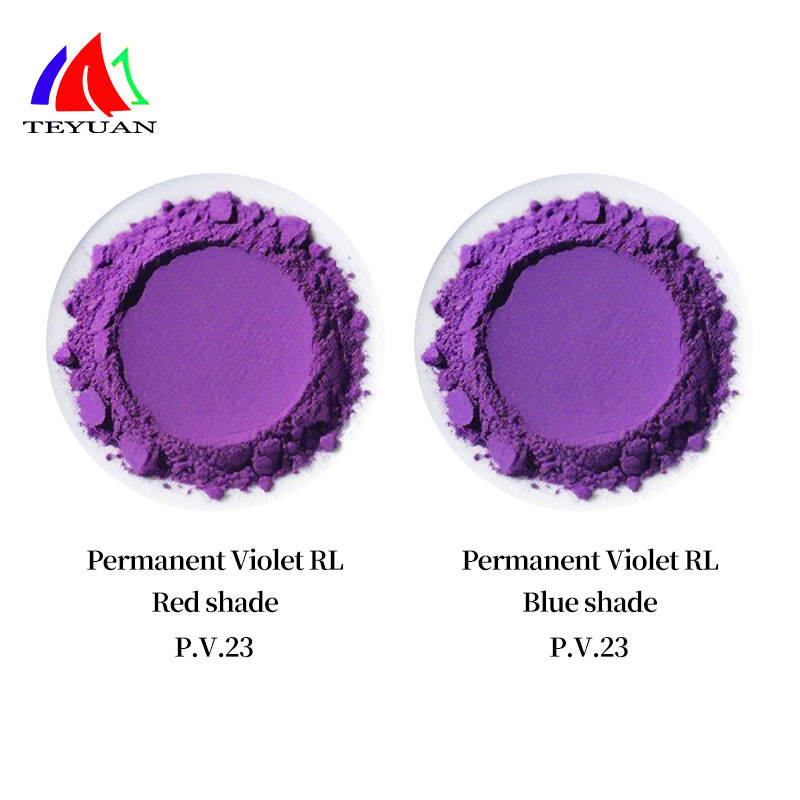
Pigment forms the foundation of color across multiple industries, transforming ordinary materials into vibrant, functional surfaces that serve both aesthetic and protective purposes. Understanding what makes pigment such a crucial element requires examining its unique properties, diverse applications, and the essential role it plays in determining product quality across artistic and industrial applications.
The critical importance of pigment extends far beyond simple coloration, encompassing durability, chemical stability, and performance characteristics that directly impact end-user satisfaction and product longevity. Whether in fine art applications or high-performance industrial coatings, the choice of pigment determines not only visual appeal but also functional properties such as UV resistance, chemical inertness, and environmental stability.
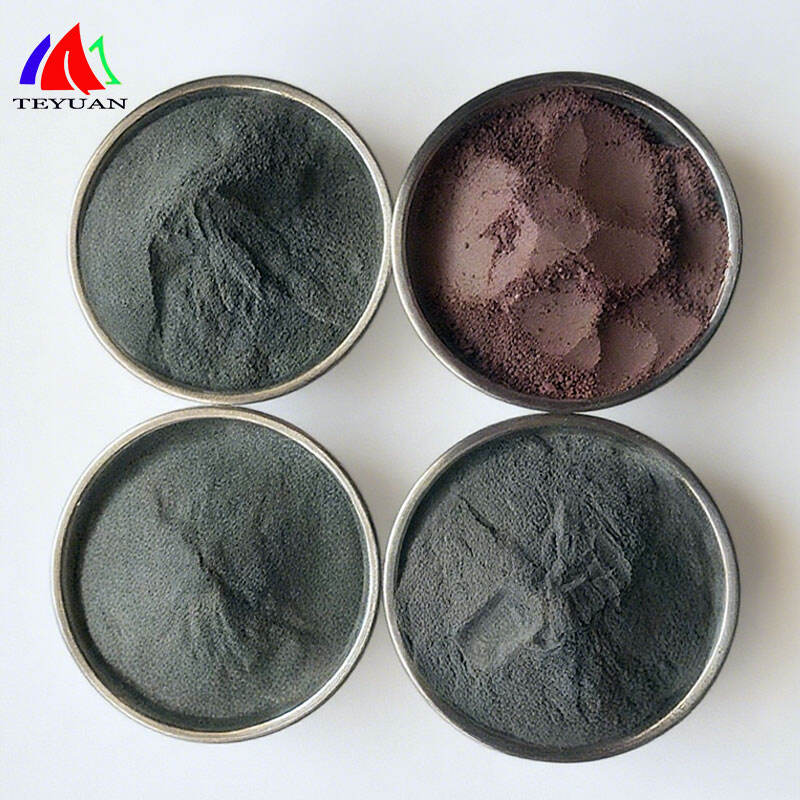
Chemical Composition and Structure That Define Pigment Performance
Molecular Architecture of High-Performance Pigments
The molecular structure of pigment particles determines their fundamental properties and performance characteristics. Inorganic pigments typically feature crystalline structures that provide exceptional stability and lightfastness, while organic pigments offer intense color saturation through conjugated molecular systems. The particle size distribution within pigment formulations directly affects opacity, tinting strength, and surface texture, making precise control of these parameters essential for consistent results.
Modern pigment chemistry involves careful manipulation of crystal lattice structures to optimize specific performance attributes. Iron oxide pigments, for example, derive their exceptional durability from stable cubic or rhombohedral crystal systems that resist degradation under harsh environmental conditions. The surface chemistry of pigment particles also influences their interaction with binding agents, affecting adhesion, dispersion quality, and overall coating performance.
Chemical Stability and Reactive Properties
Chemical inertness represents one of the most crucial characteristics that makes pigment suitable for demanding applications. High-quality pigment formulations resist reaction with solvents, acids, alkalis, and atmospheric pollutants, ensuring color stability and protective function over extended periods. This chemical stability stems from carefully controlled synthesis processes that eliminate reactive impurities and optimize particle surface properties.
The reactive behavior of pigment particles during processing also affects final product quality. Proper pigment selection requires understanding how specific formulations interact with various binders, additives, and processing conditions to achieve desired performance characteristics without compromising stability or appearance.
Optical Properties That Enable Superior Visual Performance
Light Absorption and Scattering Mechanisms
The optical behavior of pigment particles determines their effectiveness in providing color, opacity, and visual appeal. Selective light absorption creates the color perception we observe, while light scattering contributes to opacity and hiding power. The refractive index difference between pigment particles and the surrounding medium significantly influences these optical properties, making proper formulation critical for achieving desired visual effects.
Particle size optimization plays a crucial role in maximizing optical efficiency. Pigment particles sized at approximately half the wavelength of visible light provide optimal scattering efficiency, while larger particles may cause unwanted texture or reduced color intensity. Advanced pigment manufacturing processes now enable precise control of particle size distribution to achieve specific optical performance targets.
Color Consistency and Lightfastness
Maintaining consistent color appearance under varying lighting conditions requires careful selection of pigment types and concentrations. High-quality pigment formulations demonstrate minimal color shift across different illumination sources, ensuring predictable visual performance in diverse environments. Lightfastness testing protocols evaluate pigment stability under accelerated UV exposure, providing reliable indicators of long-term color retention.
The crystalline structure of inorganic pigments typically provides superior lightfastness compared to organic alternatives, making them preferred choices for exterior applications and long-term color stability requirements. However, modern organic pigment chemistry has achieved remarkable improvements in UV stability through molecular engineering and surface treatments.
Application-Specific Performance Requirements
Industrial Coating Applications
Industrial coating applications demand pigment formulations that deliver both aesthetic appeal and functional protection. Corrosion resistance, chemical inertness, and thermal stability become primary selection criteria in these demanding environments. Pigment compatibility with various resin systems ensures proper adhesion and film formation while maintaining desired protective properties.
The loading capacity of different pigment types affects both cost efficiency and performance outcomes. Higher pigment concentrations generally improve hiding power and durability but may require careful balance to avoid negative effects on film flexibility or adhesion. Industrial coating formulators rely on extensive testing to optimize pigment selection and concentration for specific service conditions.
Artistic and Decorative Applications
Artistic applications prioritize color purity, mixing characteristics, and working properties alongside long-term stability. Fine art pigments must demonstrate excellent dispersion qualities, minimal bleeding or migration, and compatibility with traditional and modern painting mediums. The transparency or opacity of specific pigment types enables artists to achieve desired visual effects through layering and glazing techniques.
Professional-grade pigment formulations often incorporate surface treatments that improve dispersion and reduce settling while maintaining color integrity. These treatments ensure consistent performance across different application methods and environmental conditions, supporting reliable artistic outcomes.
Manufacturing Quality Control and Consistency Standards
Production Process Optimization
Modern pigment manufacturing employs sophisticated quality control systems to ensure batch-to-batch consistency and performance reliability. Automated monitoring of synthesis parameters, particle size distribution, and color properties enables tight control of product specifications. Statistical process control methods identify potential deviations before they affect final product quality, maintaining customer confidence in pigment performance.
Environmental considerations increasingly influence pigment production processes, driving development of cleaner synthesis methods and waste reduction strategies. Green chemistry principles guide formulation decisions while maintaining or improving performance characteristics, supporting sustainability goals across the industry.
Testing Protocols and Performance Validation
Comprehensive testing protocols evaluate multiple aspects of pigment performance, including color accuracy, lightfastness, chemical resistance, and thermal stability. Standardized test methods enable consistent evaluation across different suppliers and product grades, supporting informed selection decisions. Accelerated aging tests predict long-term performance under various service conditions, reducing the risk of premature failure in critical applications.
Quality assurance systems track pigment performance from raw material selection through final product delivery, ensuring traceability and supporting continuous improvement efforts. Customer feedback integration helps refine product specifications and identify opportunities for enhanced performance characteristics.
Economic Impact and Market Dynamics
Cost-Performance Optimization
The economic value of pigment extends beyond initial material costs to include processing efficiency, durability, and end-user satisfaction. High-quality pigment formulations often justify premium pricing through superior performance, reduced maintenance requirements, and extended service life. Total cost of ownership calculations increasingly favor premium pigment grades that deliver reliable long-term performance.
Market demand for specialized pigment grades continues growing as industries recognize the value of optimized color and protection solutions. Technical service support and application expertise become important differentiators in competitive markets, adding value beyond basic material supply.
Innovation Drivers and Future Trends
Technological advancement in pigment chemistry focuses on enhanced performance characteristics while addressing environmental and regulatory requirements. Smart pigment systems that respond to environmental conditions represent emerging opportunities for added functionality. Nanotechnology applications enable new performance capabilities while potentially reducing material consumption.
Regulatory compliance requirements influence pigment selection and drive innovation toward safer, more sustainable formulations. Industry collaboration between pigment manufacturers, formulators, and end-users accelerates development of optimized solutions that meet evolving market needs while maintaining competitive positioning.
FAQ
What properties make certain pigments more suitable for industrial coatings versus artistic applications?
Industrial coating pigments prioritize chemical resistance, thermal stability, and corrosion protection capabilities, while artistic pigments emphasize color purity, transparency control, and working properties. Industrial applications typically require higher durability and weather resistance, leading to preference for inorganic pigment formulations with proven long-term stability under harsh conditions.
How does particle size affect pigment performance in different applications?
Particle size directly influences opacity, tinting strength, and surface texture characteristics. Smaller particles generally provide better color development and smoother finishes but may require higher concentrations to achieve adequate hiding power. Larger particles offer improved opacity per unit weight but may create texture or reduce color intensity in thin film applications.
What testing methods are used to evaluate pigment quality and performance?
Standard testing protocols include colorimetric analysis for color accuracy, accelerated weathering for lightfastness evaluation, chemical resistance testing for durability assessment, and particle size analysis for consistency verification. Heat stability tests, migration resistance evaluation, and compatibility studies with various binder systems provide additional performance validation data.
How do environmental regulations affect pigment selection and manufacturing?
Environmental regulations restrict certain heavy metals and toxic compounds in pigment formulations, driving development of alternative chemistries that maintain performance while meeting safety standards. Manufacturing processes must minimize environmental impact through reduced emissions, waste recycling, and energy efficiency improvements while maintaining product quality and consistency.
Table of Contents
- Chemical Composition and Structure That Define Pigment Performance
- Optical Properties That Enable Superior Visual Performance
- Application-Specific Performance Requirements
- Manufacturing Quality Control and Consistency Standards
- Economic Impact and Market Dynamics
-
FAQ
- What properties make certain pigments more suitable for industrial coatings versus artistic applications?
- How does particle size affect pigment performance in different applications?
- What testing methods are used to evaluate pigment quality and performance?
- How do environmental regulations affect pigment selection and manufacturing?